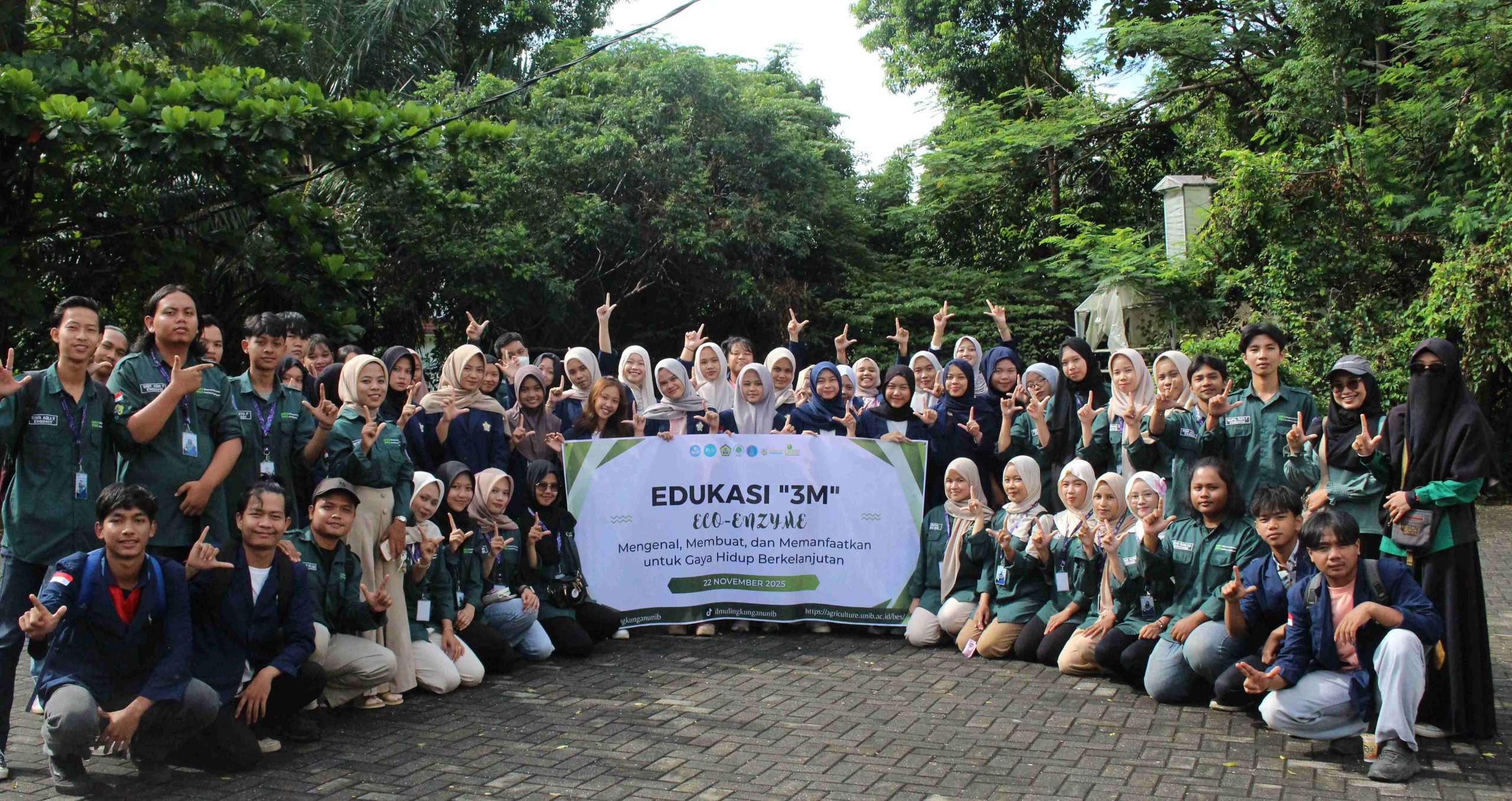
3M Ecoenzyme Education: UNIB Forestry Lecturers and Students Practice Sustainable Organic Waste Processing
Bengkulu, November 22, 2025 — The Forestry Department of the University of Bengkulu held an activity themed “Education on the 3M of Ecoenzymes: Understanding, Making, and Utilizing Them for a Sustainable Lifestyle,” attended by young lecturers from the Forestry Department and students from the Environmental Science and Forestry Study Programs. The activity took place in the department’s nursery area, providing a platform for education and hands-on practice in fermentation-based organic waste management.
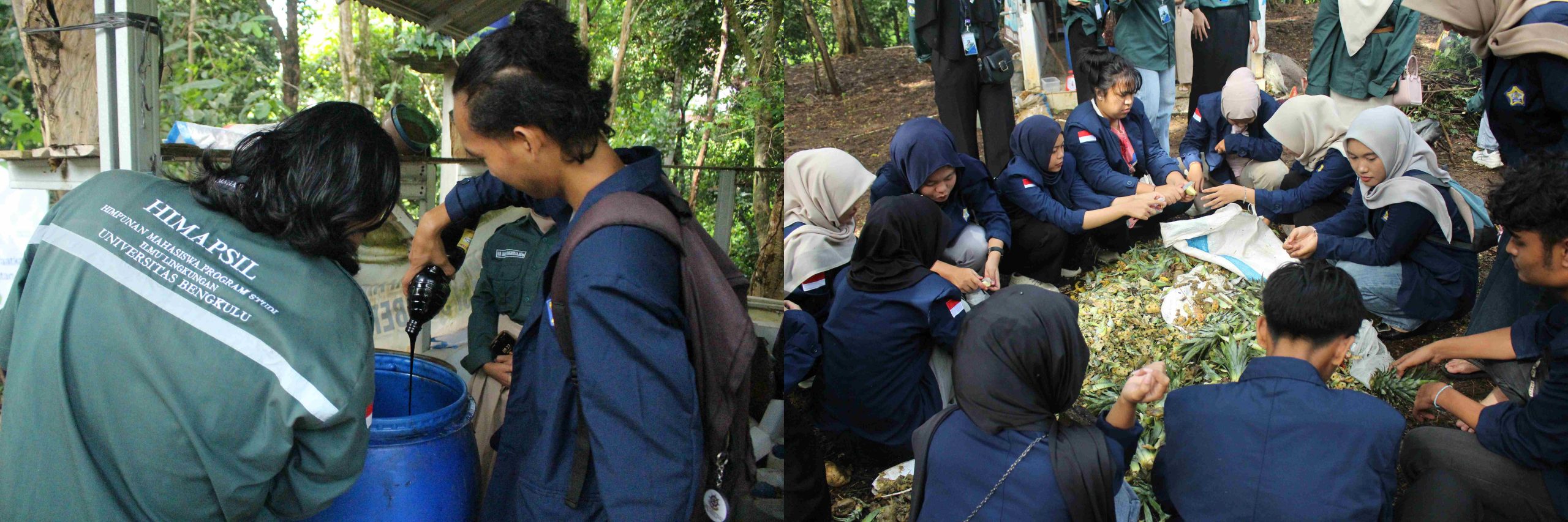
The activity began with an introduction to the basic concept of ecoenzymes, covering their definition, formation process, and ecological and practical benefits in everyday life. Ecoenzymes, which are fermented organic waste products such as fruit peels, molasses, and water, were introduced as a simple and environmentally friendly solution to reduce organic waste generation while supporting a sustainable lifestyle. In this session, the accompanying lecturer emphasized the importance of small innovations that can have a big impact on environmental conservation. Entering the practical session, participants were invited to make ecoenzymes using pineapple peels as the main ingredient. Pineapple peels were chosen because of their high bromelain enzyme content, which supports the decomposition process during fermentation. Students practiced chopping ingredients, weighing, mixing, and filling fermentation vessels using a 3:1:10 ratio of pineapple peel, molasses, and water. A junior lecturer provided technical guidance, from equipment hygiene and sealing the fermentation vessel to scheduling the initial stirring.
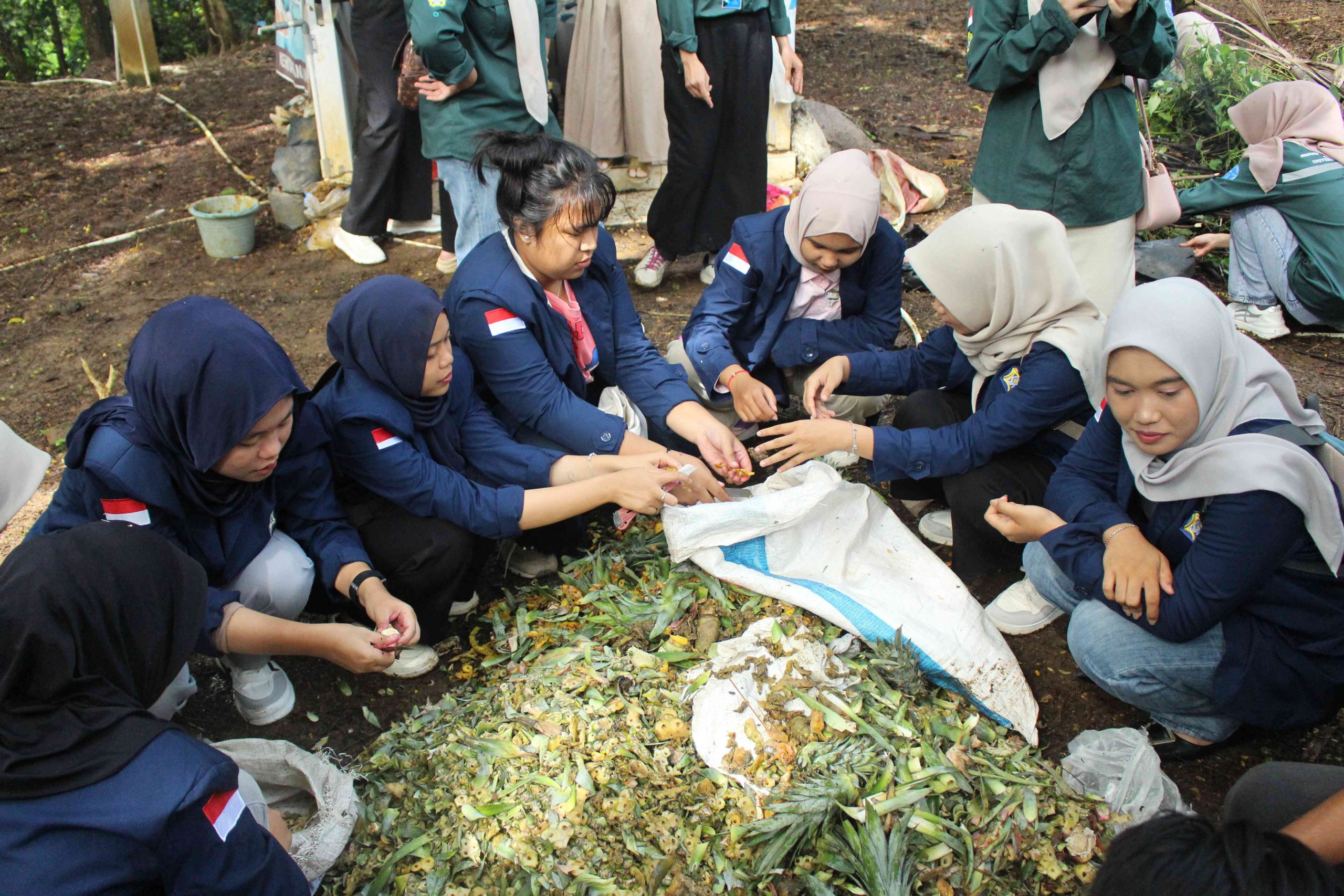
In addition to learning how to make the ingredients, participants were also introduced to various uses of ecoenzymes, such as natural household cleaners, odor control, organic liquid fertilizer, and soil enhancers for plants. In the final discussion, the junior lecturer emphasized that the use of ecoenzymes not only reduces dependence on synthetic chemicals but also represents a concrete implementation of the principles of a circular economy in everyday life. Through this activity, the Forestry Department of the University of Bengkulu affirmed its commitment to developing practical, practice-based environmental education. Collaboration between junior lecturers and students across study programs is expected to foster ecological awareness and expand the application of simple yet highly effective technologies on campus and in the community.
