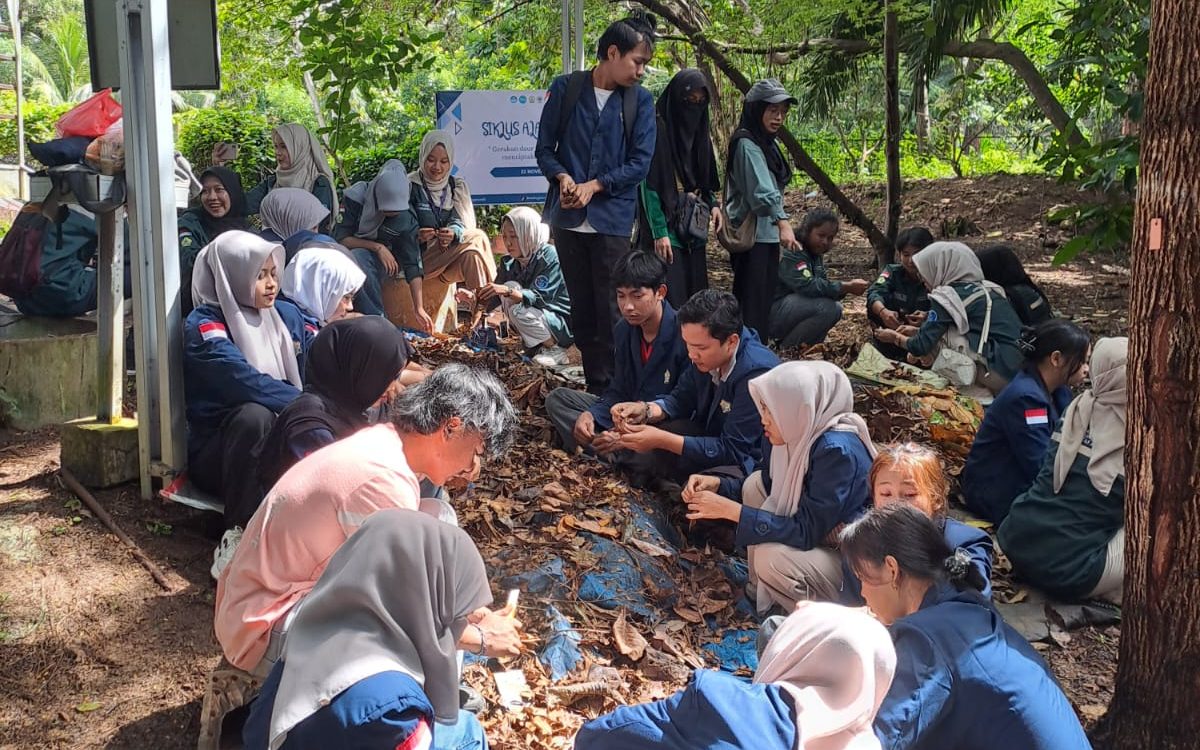
Lecturers from the Forestry Department of the University of Bengkulu Develop Maggot Cultivation to Reduce Campus Organic Waste
Bengkulu—December 30, 2025, the University of Bengkulu continues to demonstrate its commitment to supporting environmental sustainability through the UI GreenMetric program. One concrete effort is being implemented through maggot cultivation activities initiated by lecturers from the Forestry Department as a solution for managing organic waste on campus.
Maggot cultivation, which utilizes Black Soldier Fly (BSF) larvae, is an environmentally friendly innovation for reducing the volume of organic waste, particularly food waste from academic activities. Organic waste that previously had the potential to accumulate and pollute the environment is now processed into maggot feed effectively and sustainably.
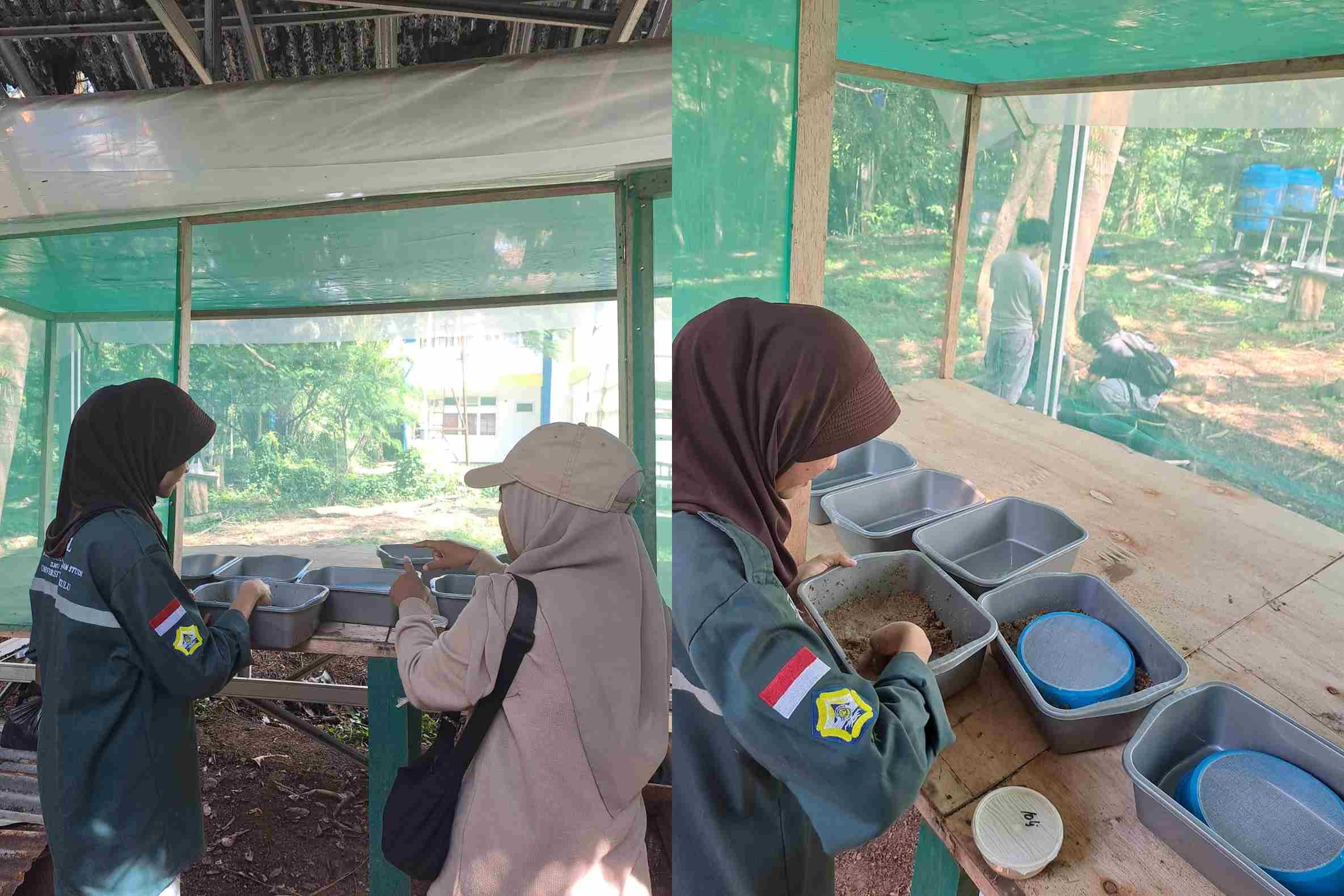
The head of the implementing team, Dr. Gunggung Senoaji, S.Hut., MP, explained that this program is not only oriented towards waste reduction but also supports the concept of a circular economy within the university. “Maggots can decompose organic waste quickly, while simultaneously producing economically valuable biomass that can be used as animal or fish feed,” he said.
This activity aligns with UI GreenMetric indicators, particularly regarding waste management and environmental sustainability. Furthermore, maggot cultivation also serves as an educational and learning tool for students in the Environmental Science and Forestry study programs, particularly in environmental management and appropriate technology.
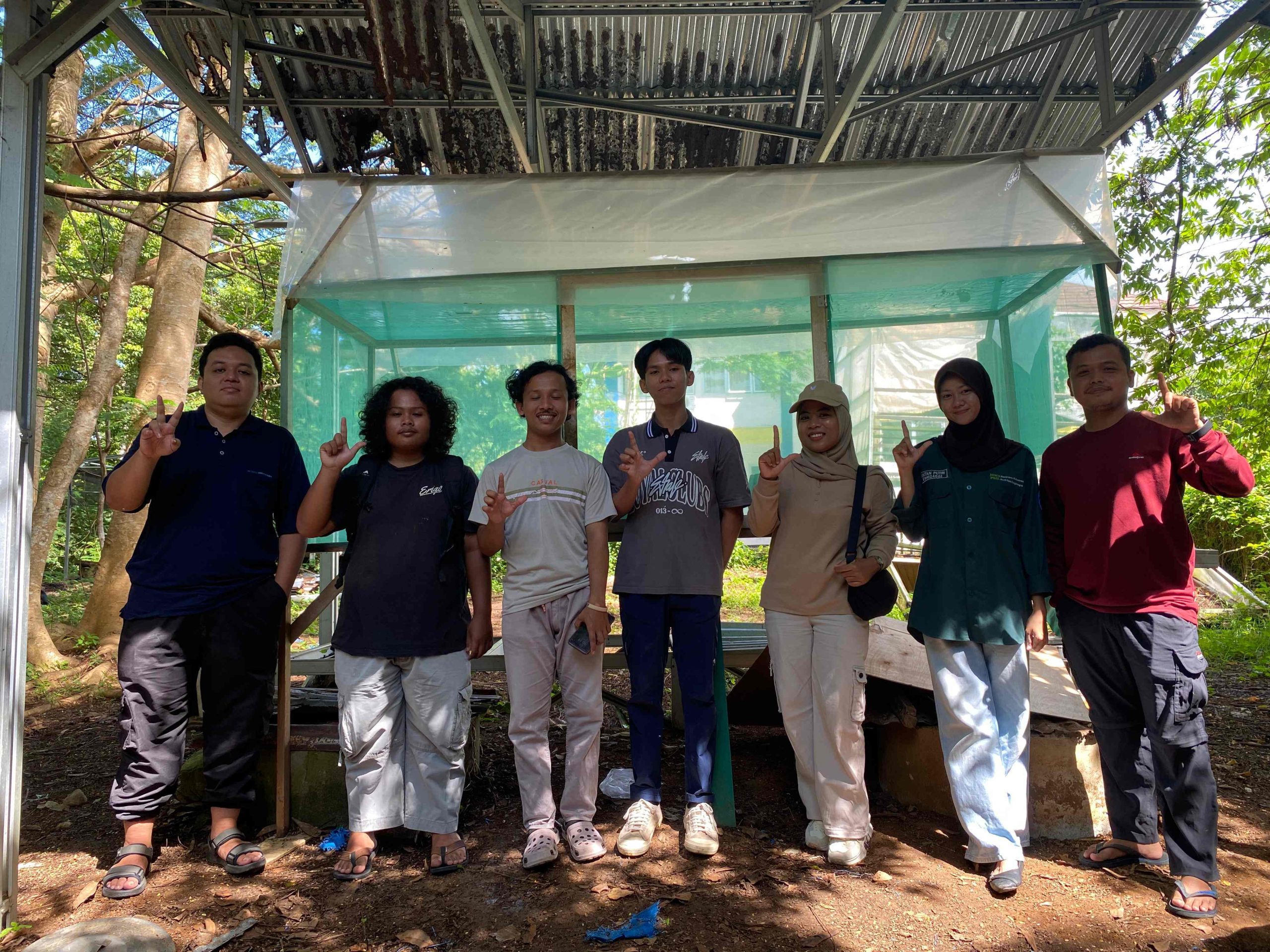
Through this program, the University of Bengkulu hopes to become an exemplary green campus that actively contributes to reducing emissions, managing waste sustainably, and increasing environmental awareness among the academic community.
Going forward, the maggot cultivation program is planned to be expanded further by involving other units within the University of Bengkulu and collaborating with the surrounding community.
