Prof. Dr. Ir. Yuwana, M.Sc. Lecturer of the Department of Agricultural Technology Unib Explained the Innovation of the Solar–Biomass Hybrid Dryer at the Bengkulu RB TV Good Morning Show
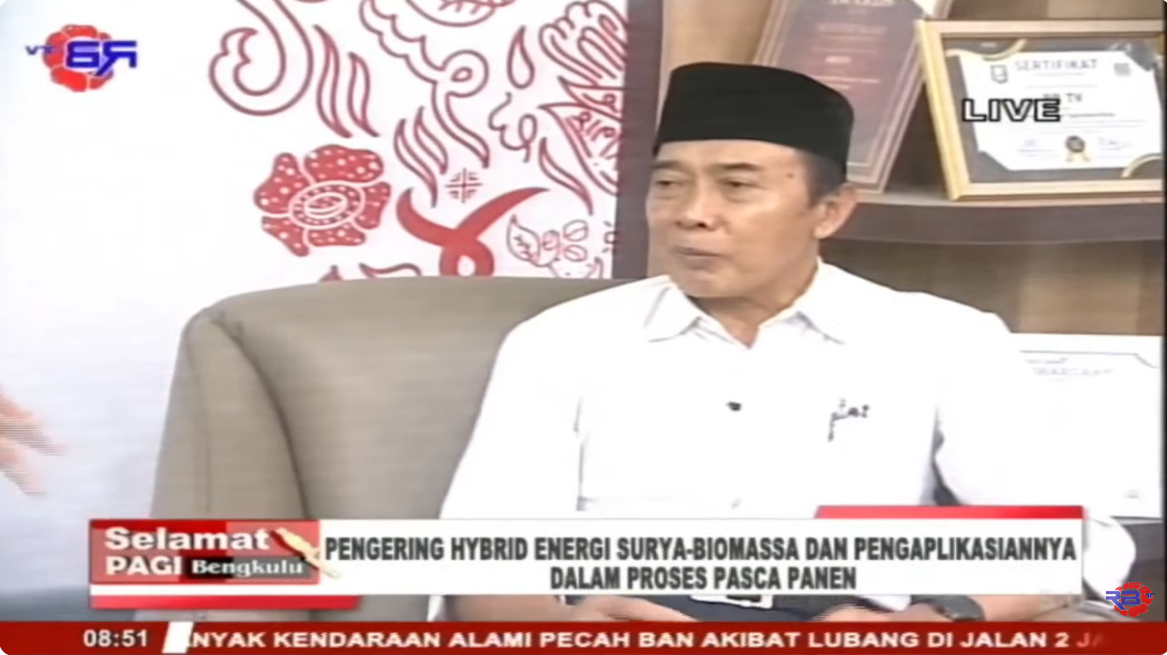
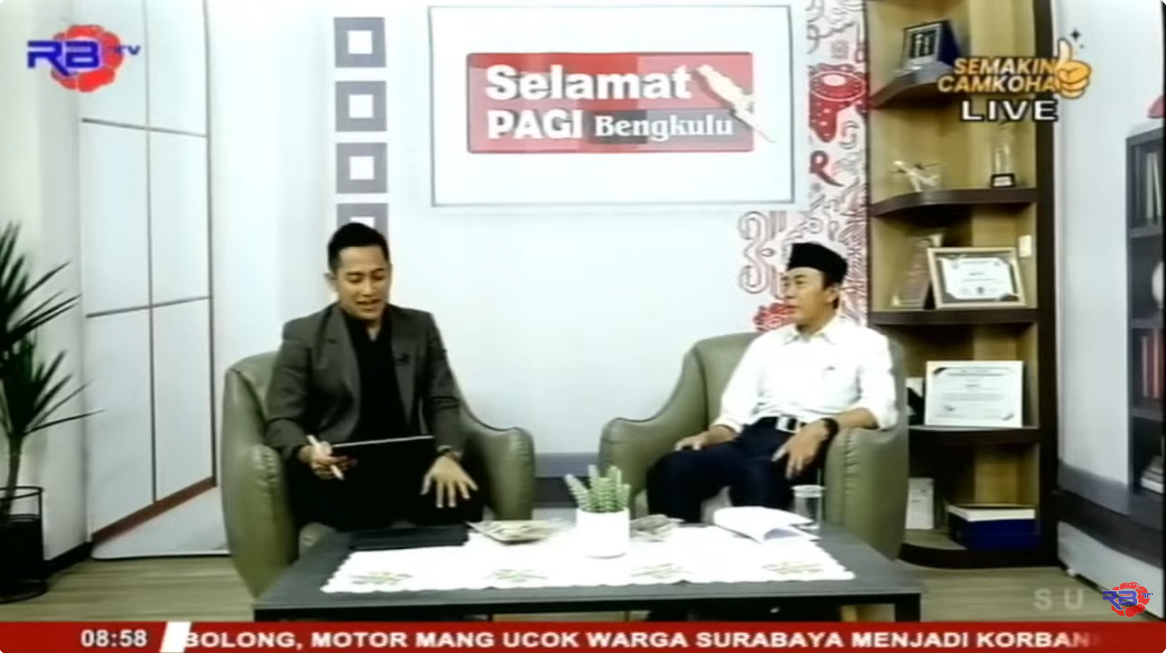
Prof. Dr. Ir. Yuwana, M.Sc., Lecturer of the Agricultural Industrial Technology Study Program, Department of Agricultural Technology, Faculty of Agriculture, University of Bengkulu, appeared as a resource person in the Selamat Pagi Bengkulu event which was broadcast live on RB TV on Friday, December 12, 2025, at 08.00 WIB. The submission of material can also be accessed through a live broadcast on the RBTV Streaming YouTube channel. On this occasion, Prof. Yuwana thoroughly explored the solar-biomass energy hybrid dryer technology and its application in the post-harvest process of agricultural products. This topic has become very relevant to the challenges of processing agricultural products in Indonesia, especially in ensuring the quality, safety, and efficiency of products before entering the processing or marketing stage.
Prof. Yuwana explained that drying is one of the important stages in post-harvest that has a direct effect on the quality and stability of agricultural and plantation products. Traditional drying processes that rely on direct sunlight often face obstacles such as dependence on the weather, risk of contamination, and long time to achieve the desired moisture content. To overcome this, solar-biomass energy hybrid dryer technology was developed as an innovation that combines two renewable energy sources: solar energy and biomass energy. This dryer is able to increase the temperature and stability of the process so that drying can be done faster, more effectively, and less dependent on weather conditions.
The hybrid dryer model developed in the Faculty of Agriculture, University of Bengkulu has shown a larger capacity and more stable drying time compared to conventional methods. This technology feeds hot air from biomass sources into a drying chamber previously heated by a solar collector, thus helping to maintain the optimum temperature even when the sun’s intensity is low.
Prof. Yuwana explained the working principle of the tool, starting from the solar and biomass heat conversion chain, efficient hot air circulation, to the potential for wide application in the community, especially in agricultural areas such as Bengkulu. In this way, the drying process of various commodities such as coffee, chili, vegetables, and fruits can run more effectively, hygienic, and with a better quality. In her presentation, Prof. Yuwana emphasized that hybrid dryer technology is not only useful for improving the quality of agricultural products, but also has a real economic impact on farmers and agribusiness actors. The ability of this technology to work consistently increases the opportunity to reduce post-harvest losses, extend the shelf life of products, and open up opportunities for the diversification of processed products with high quality standards. Furthermore, the presence of this technology is an important part of the role of universities in transferring knowledge and innovation to the wider community. The application of renewable energy-based post-harvest technology such as solar-biomass hybrid shows the commitment of the University of Bengkulu in supporting sustainable and environmentally friendly agricultural development.
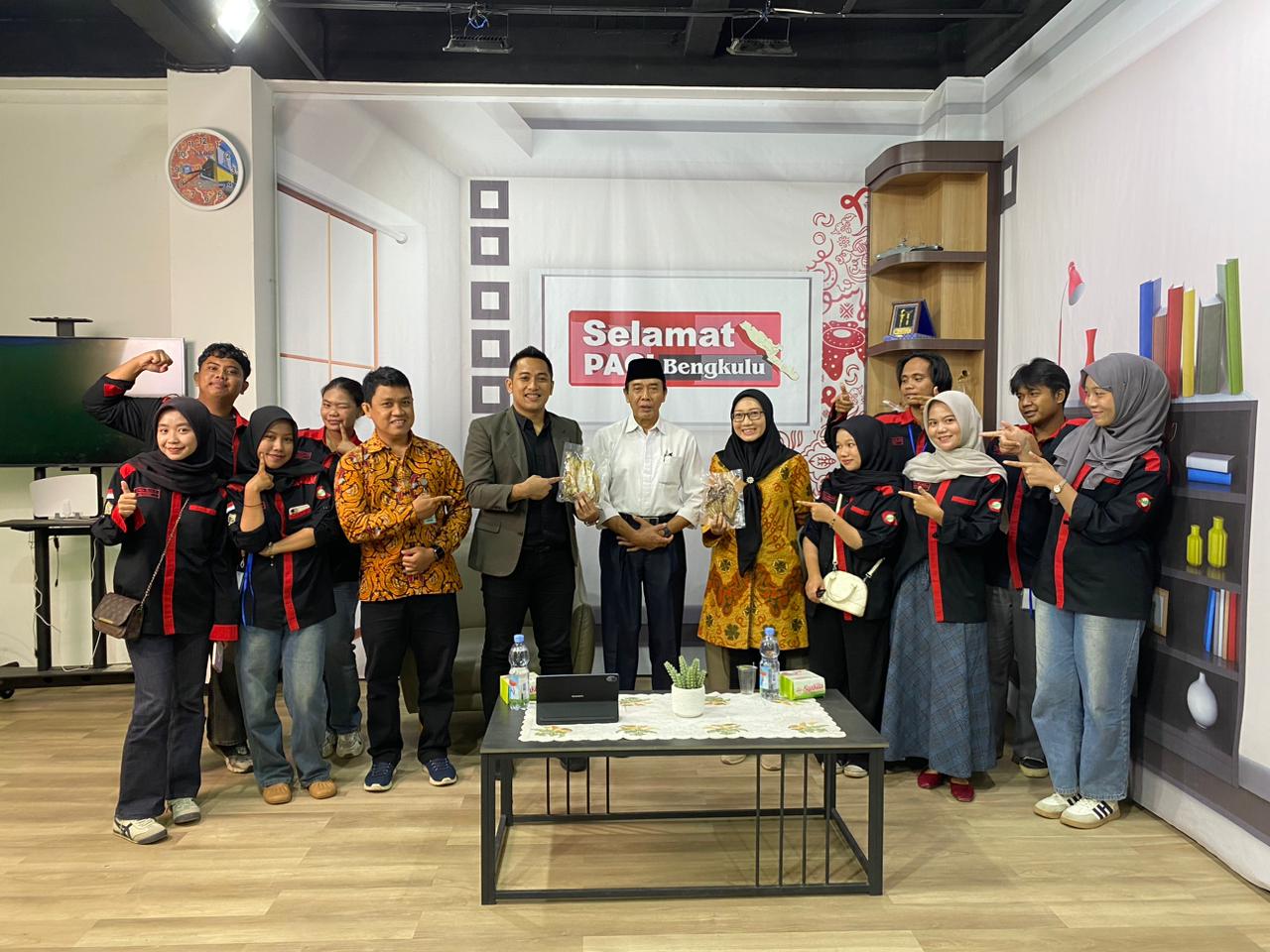
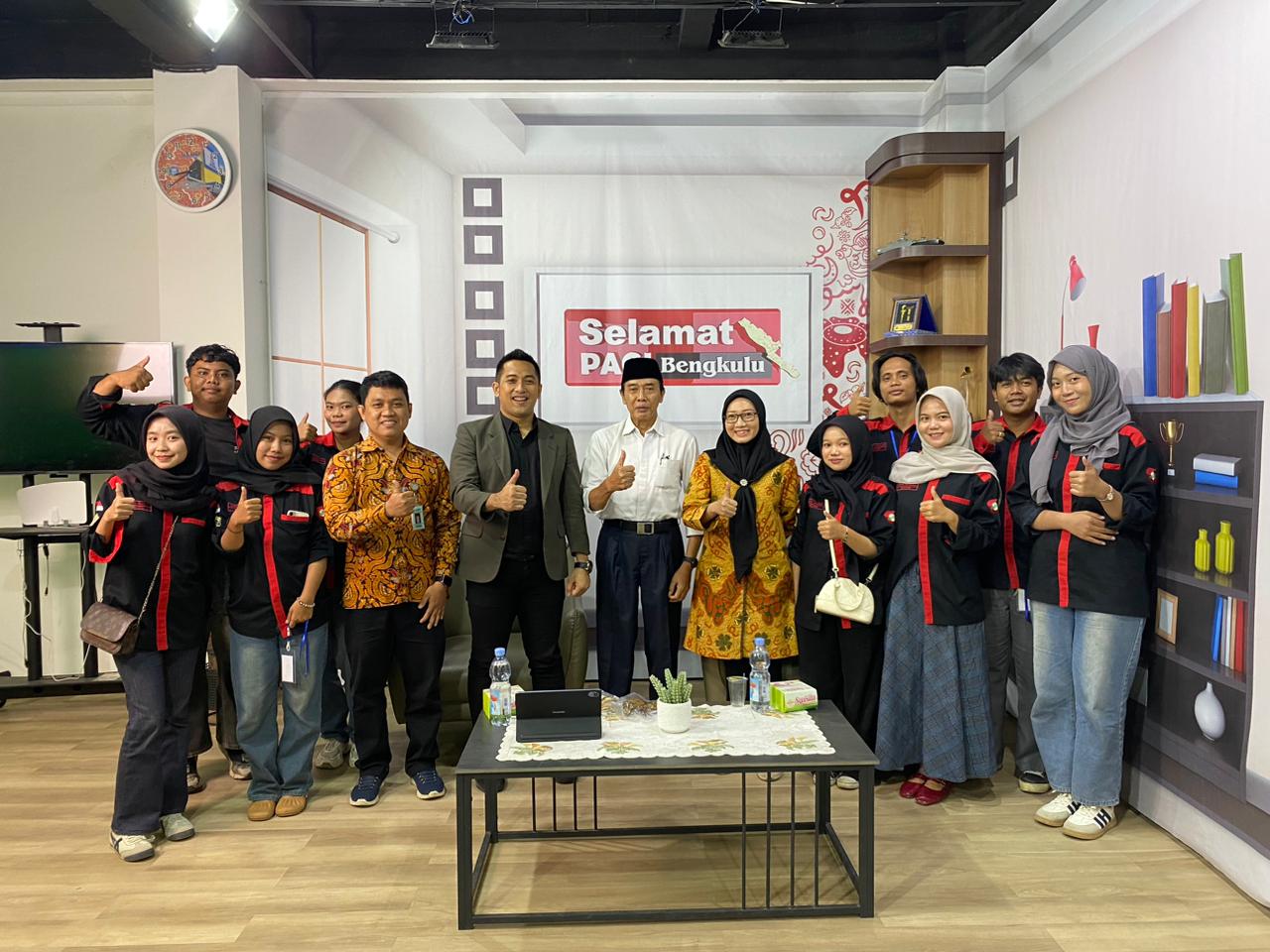
The full broadcast of Prof. Yuwana’s interview can be watched again via the RBTV Streaming live broadcast link on YouTube. This material is also an important learning resource for students, researchers, and business actors in the field of agribusiness and food technology who are looking for innovative solutions to improve post-harvest efficiency. Through active participation in the mass media, the University of Bengkulu continues to show its strategic role in the development of science and technology that is applicable, relevant, and has a direct impact on society.


