HIMAGROTEK UNIB Completes Social Service Camp (KBS) 2026 with Strong Student Engagement and Community Impact
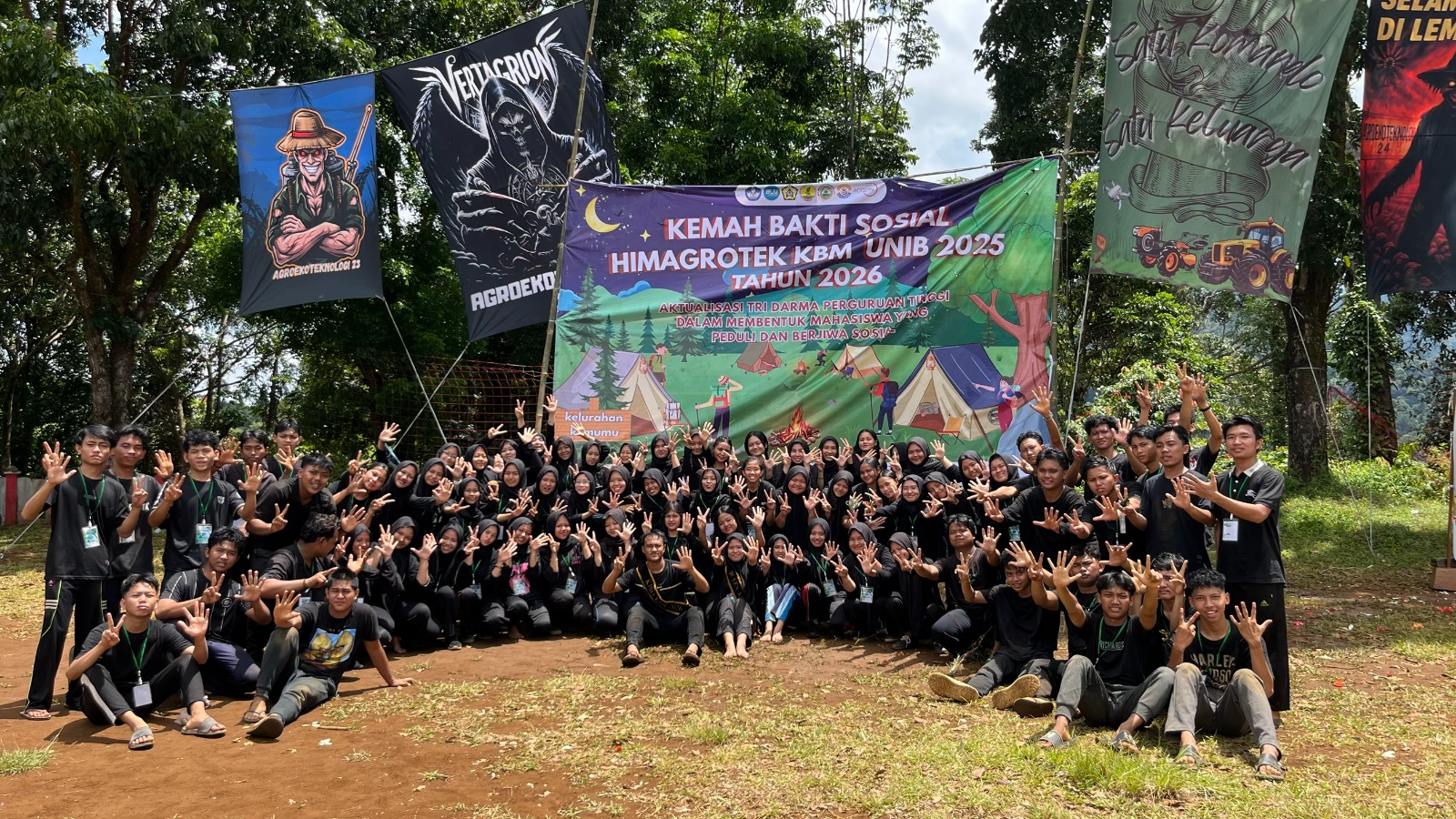
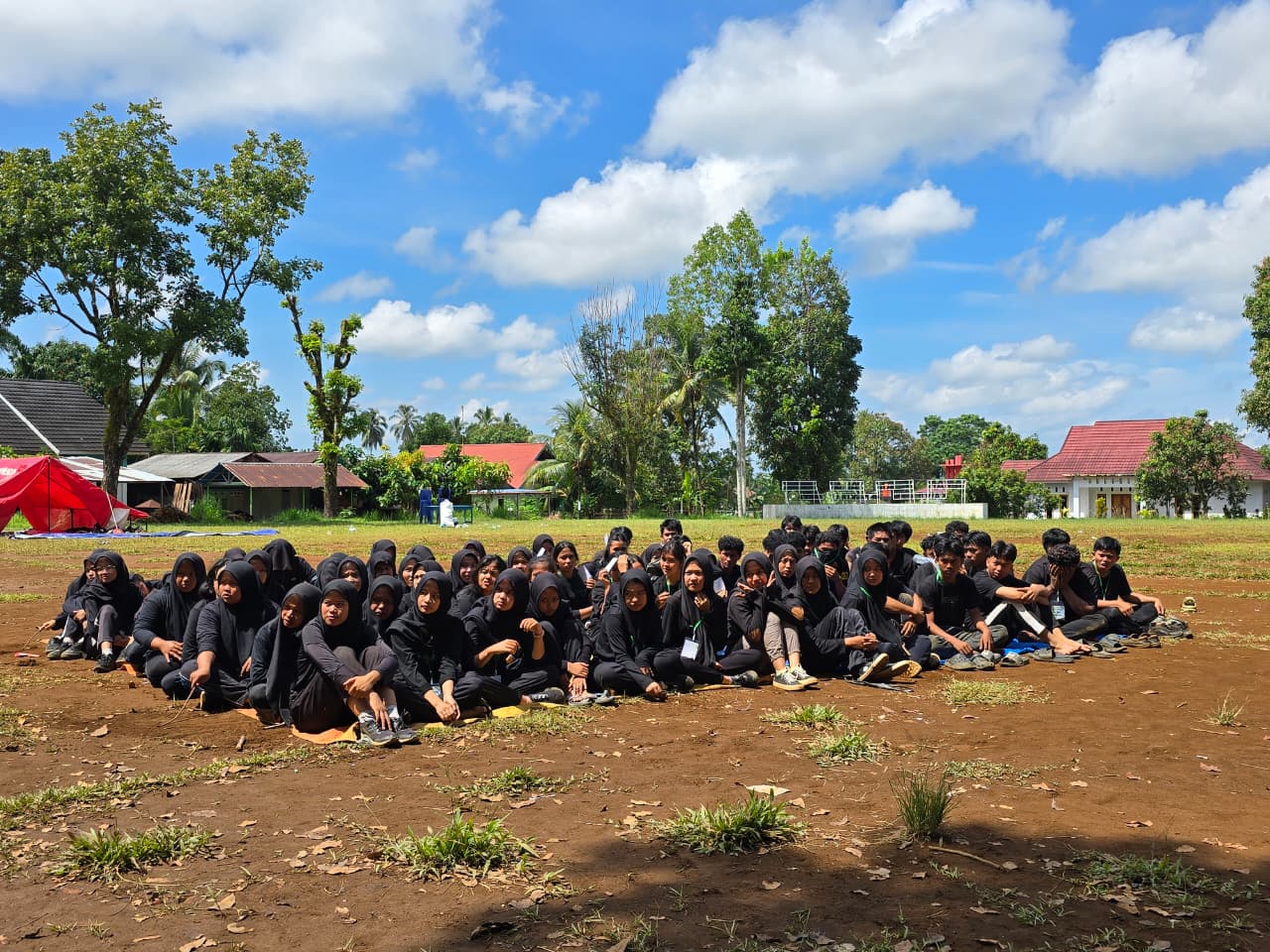
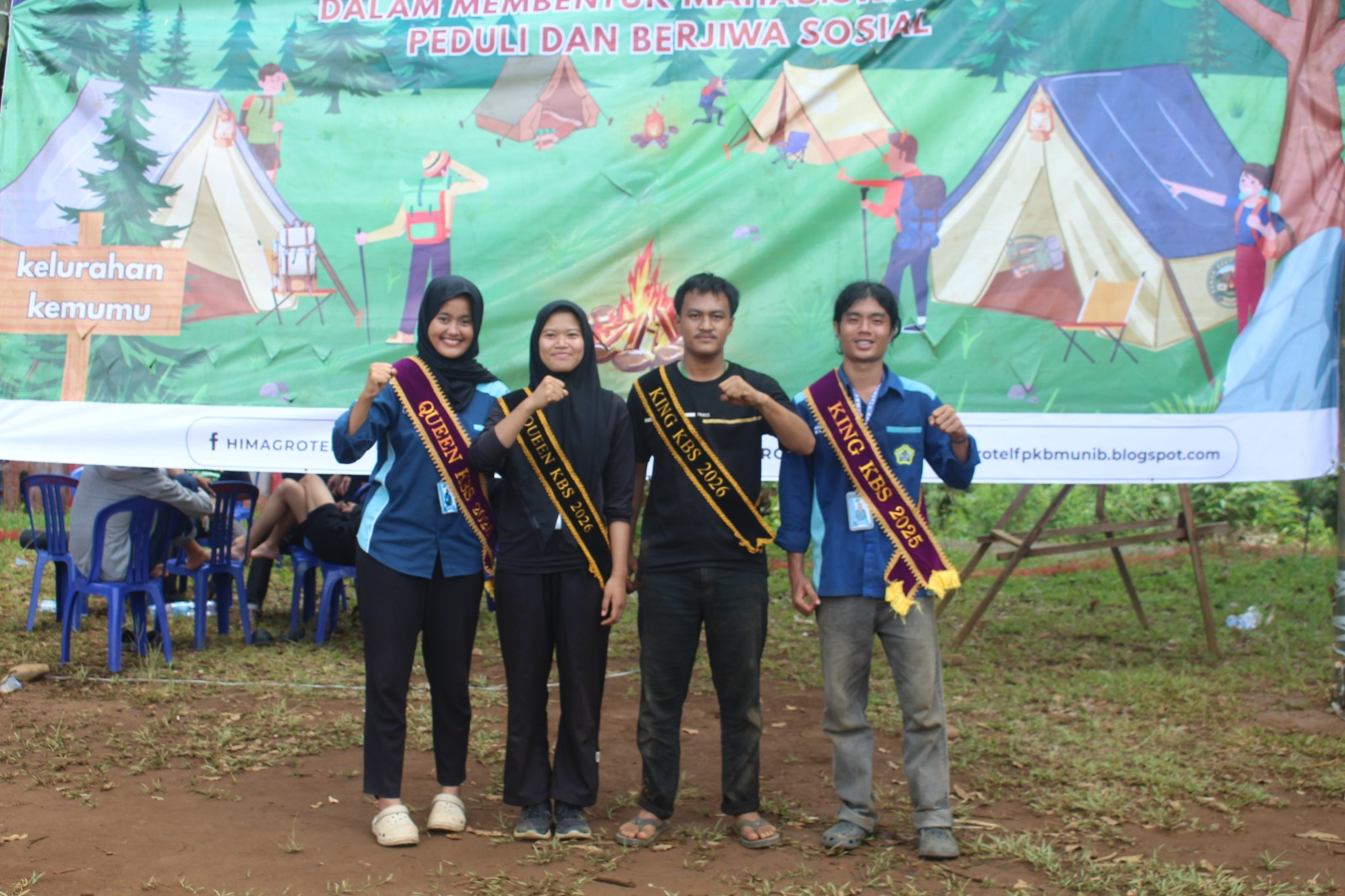
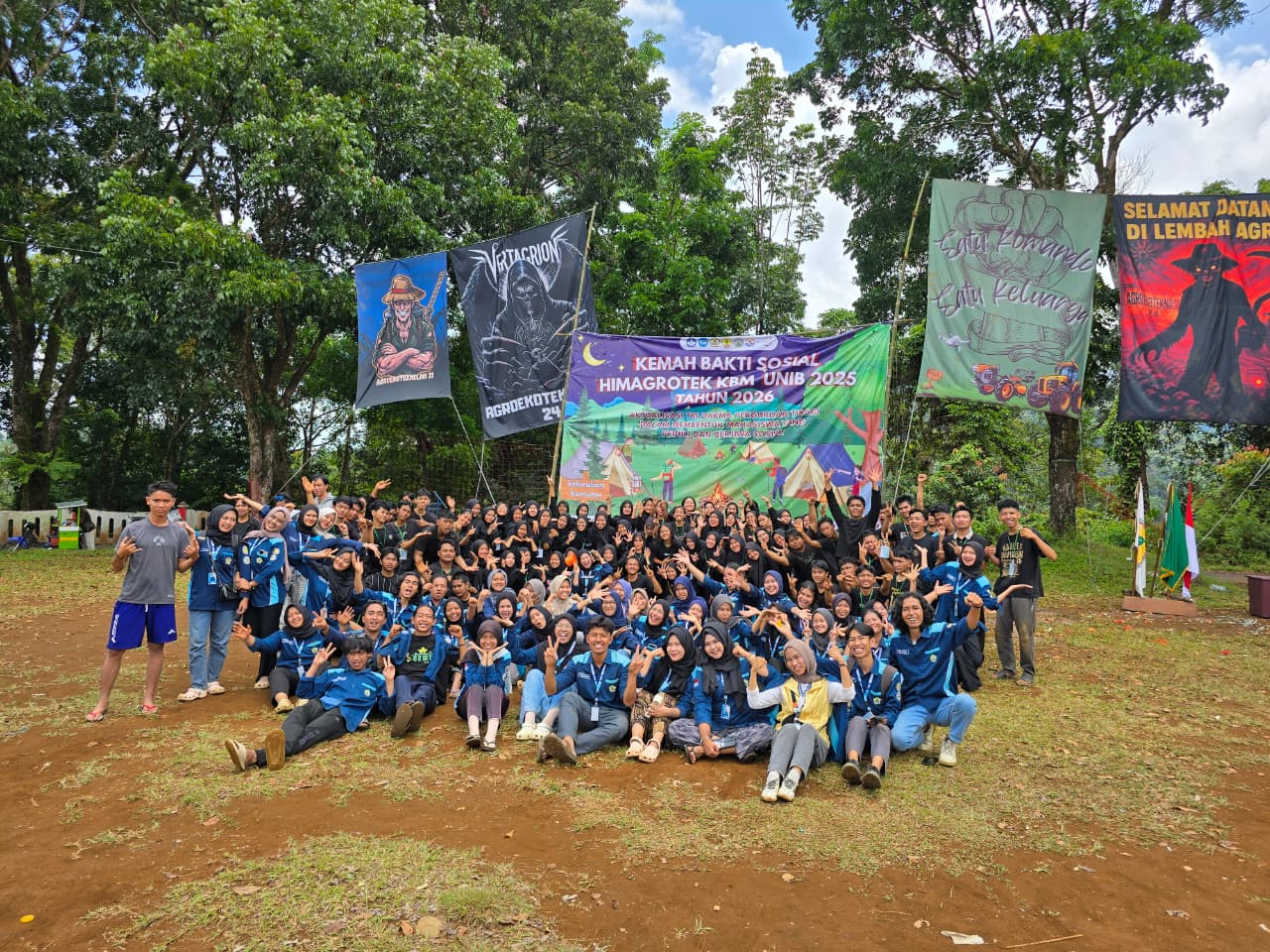
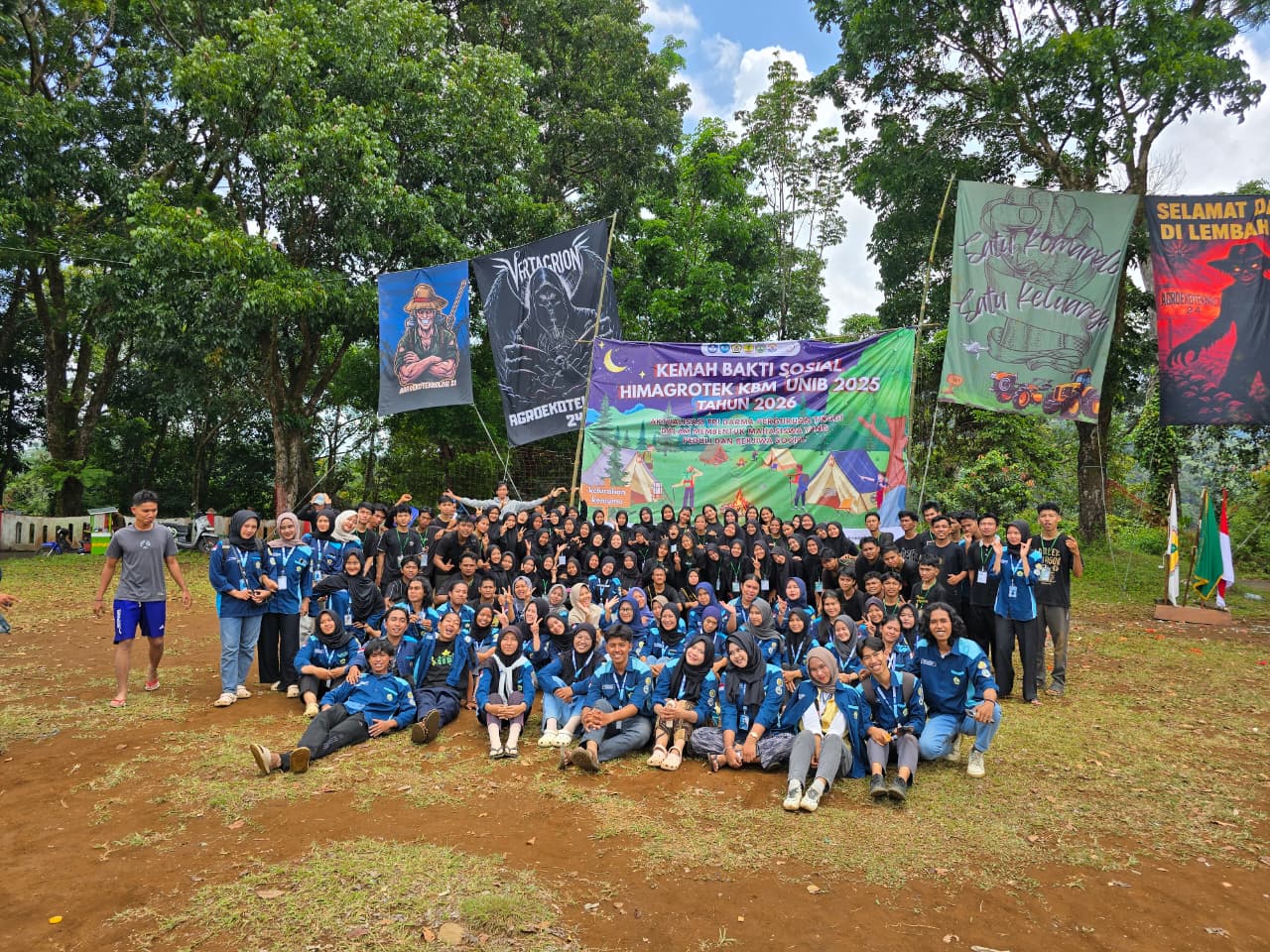
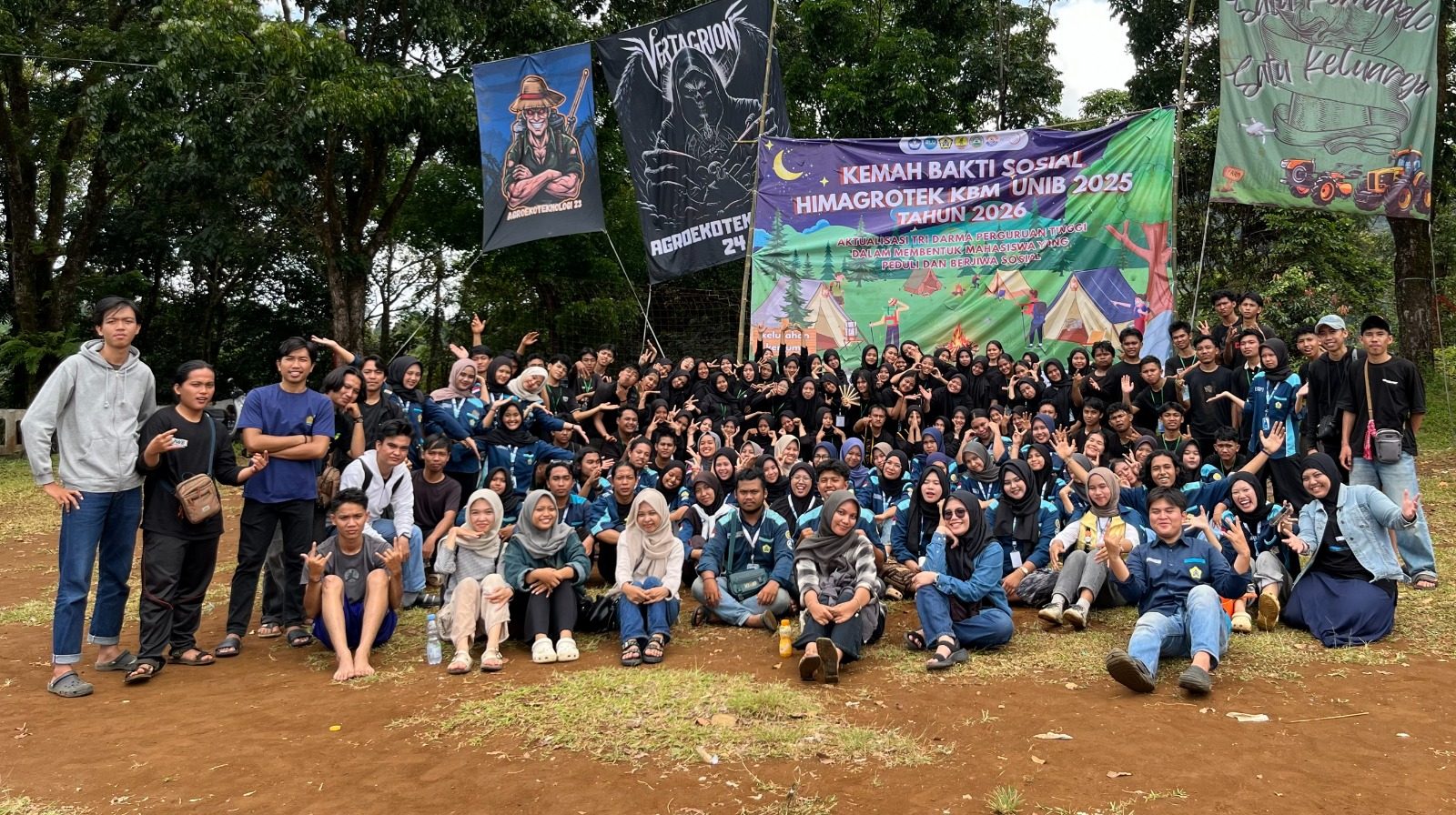
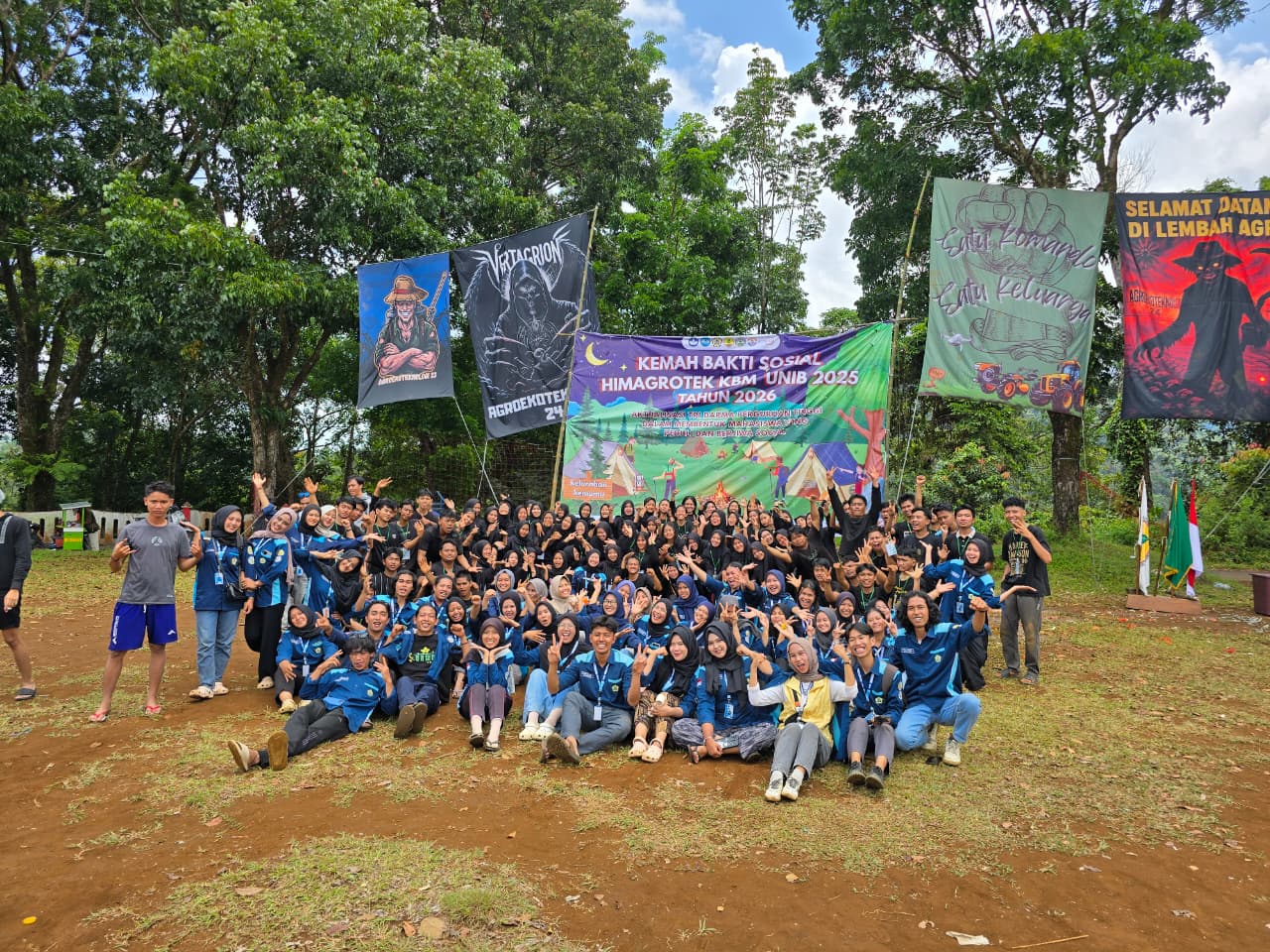
Bengkulu, April 19, 2026 — The Agroecotechnology Student Association (HIMAGROTEK), Faculty of Agriculture, University of Bengkulu (UNIB), has successfully completed the Social Service Camp (Kemah Bakti Sosial/KBS) 2026 in Kemumu Village, Arga Makmur District, North Bengkulu.
Educational Session and Knowledge Exchange
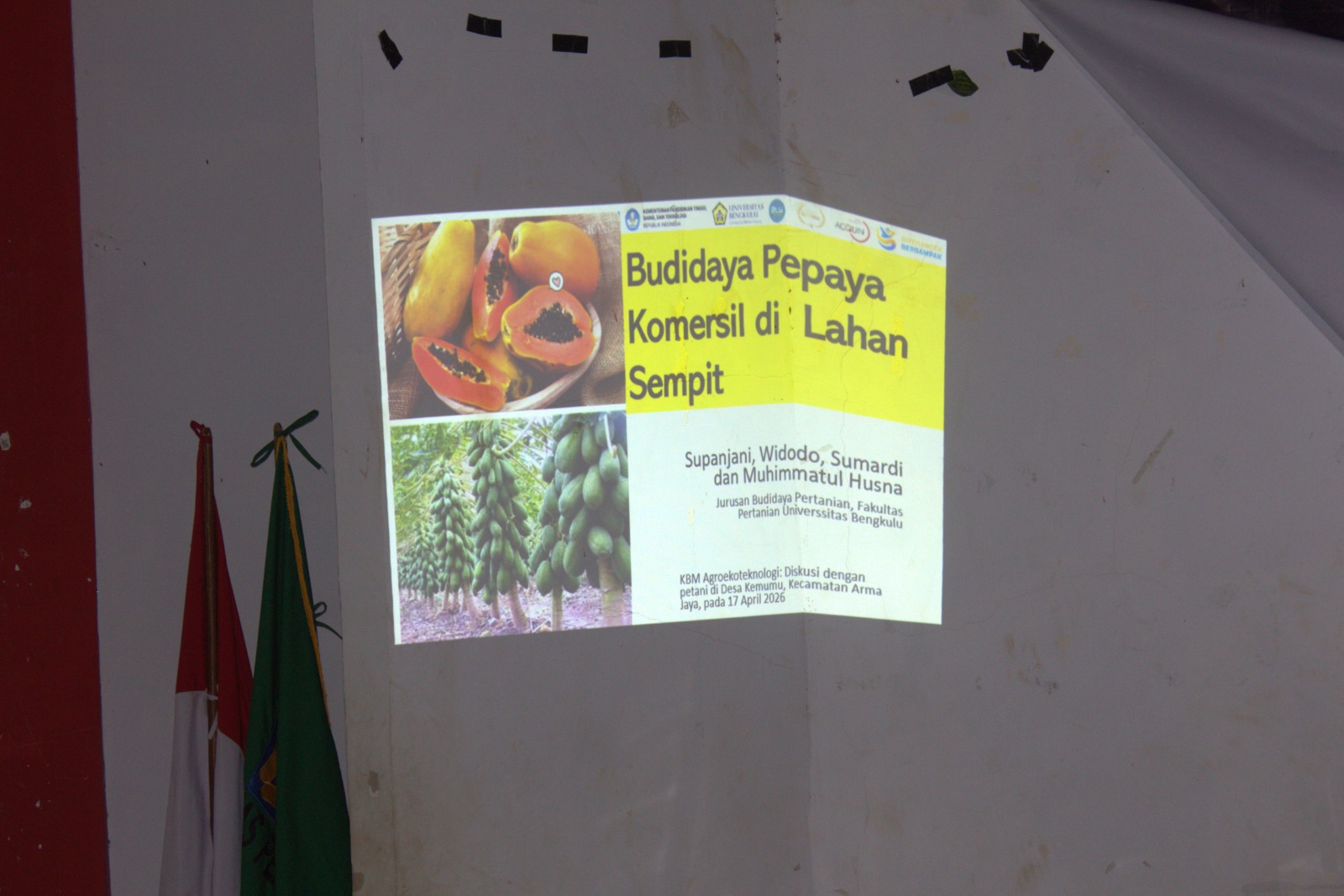
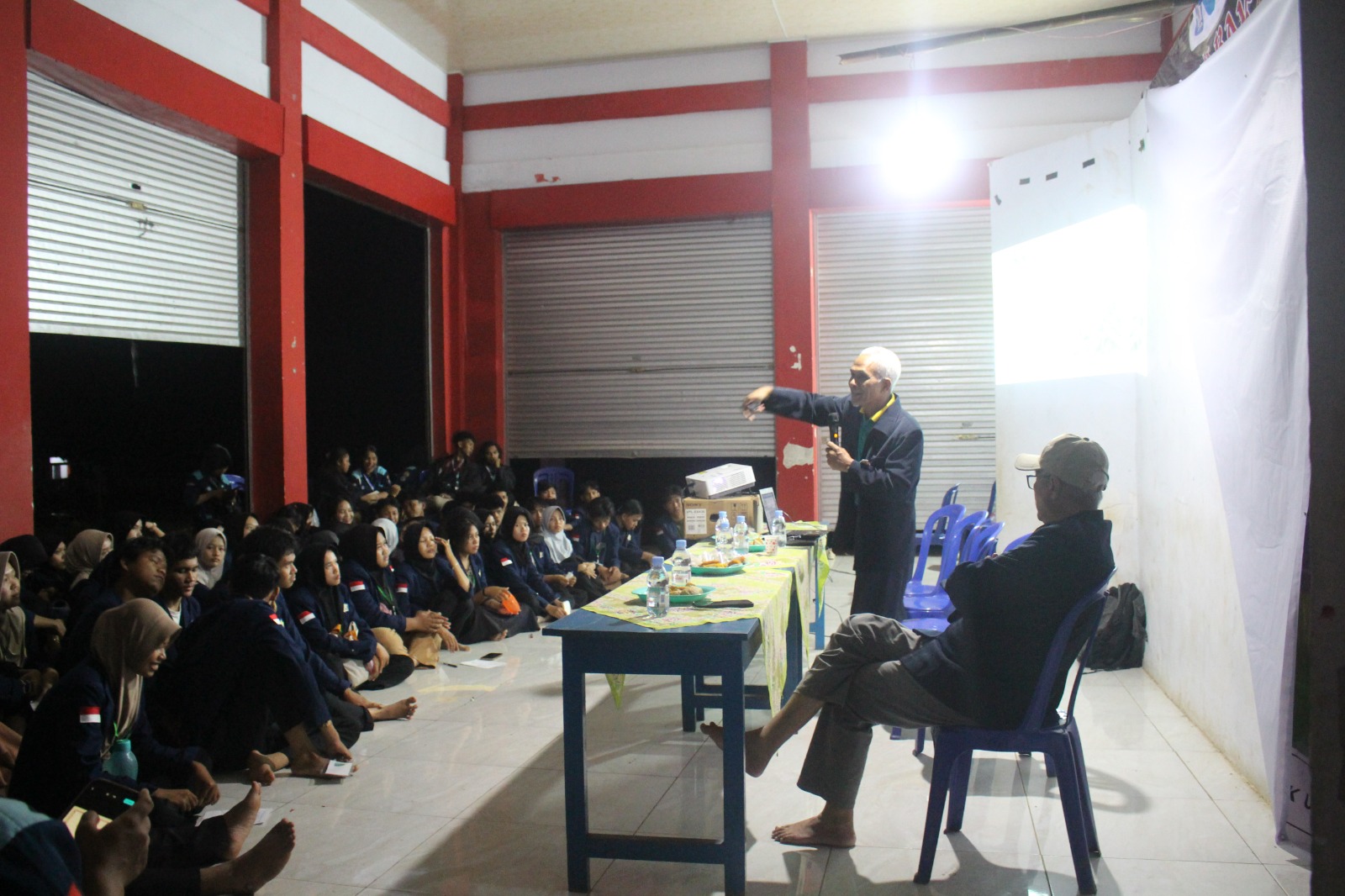
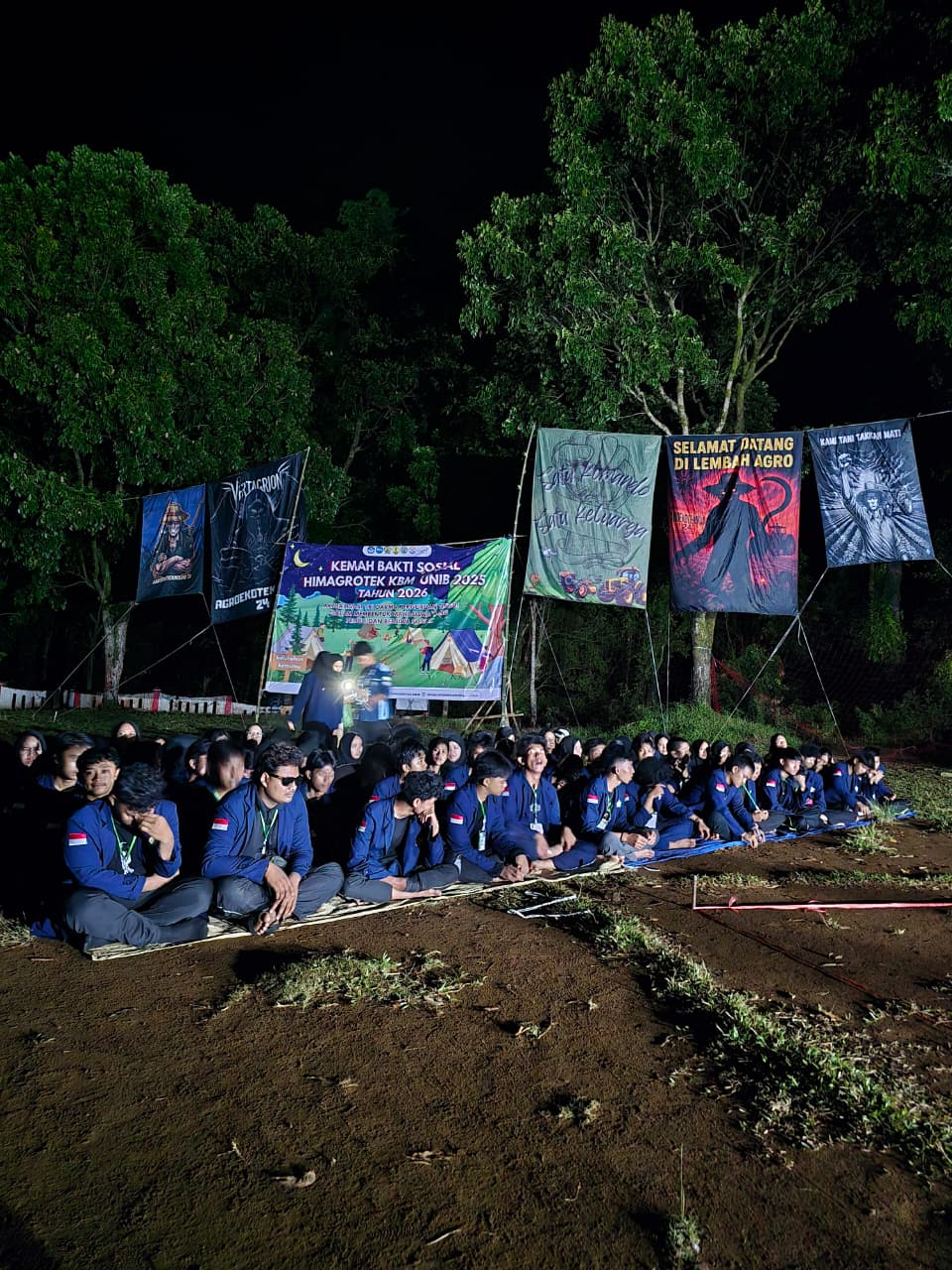
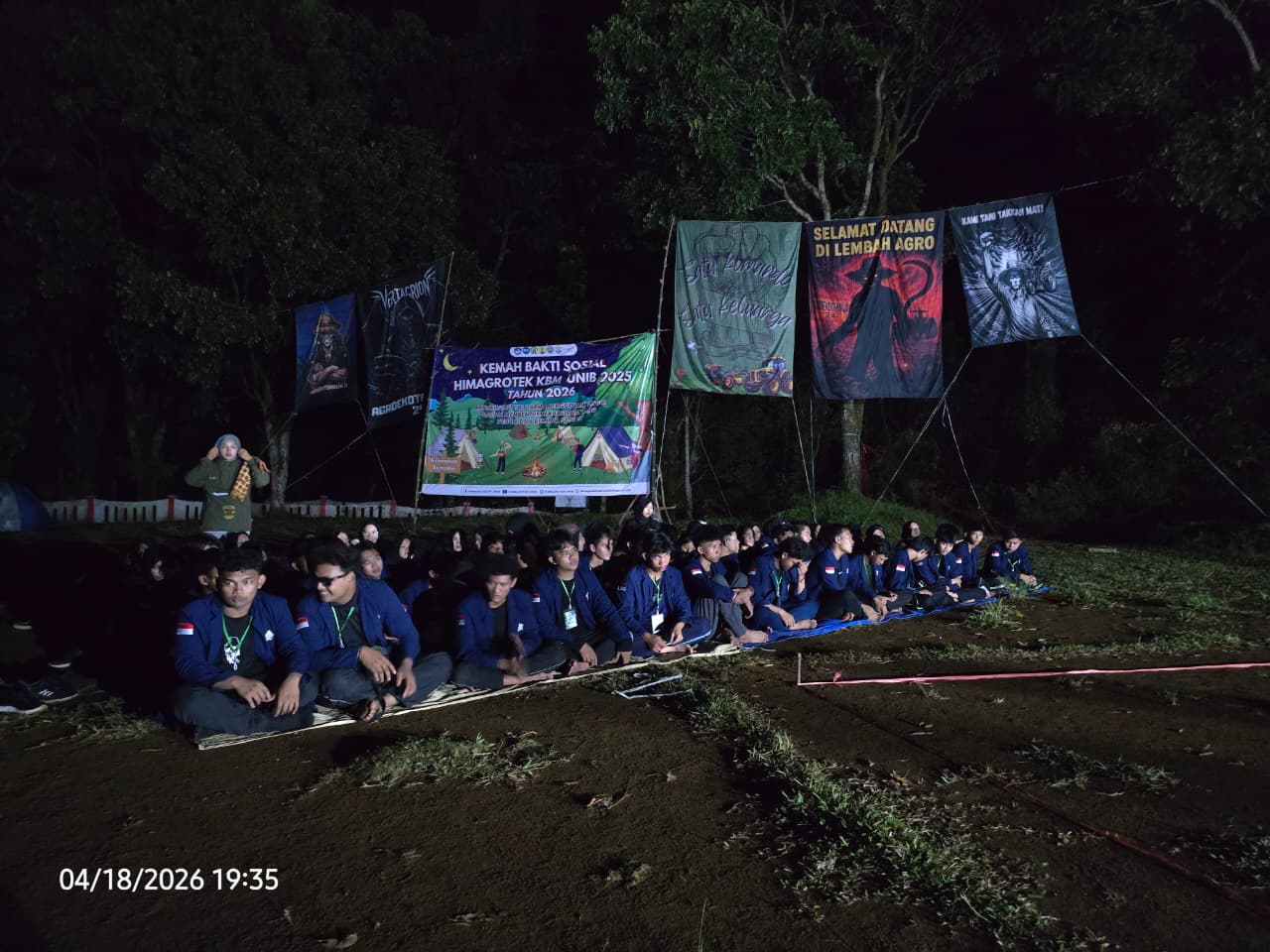
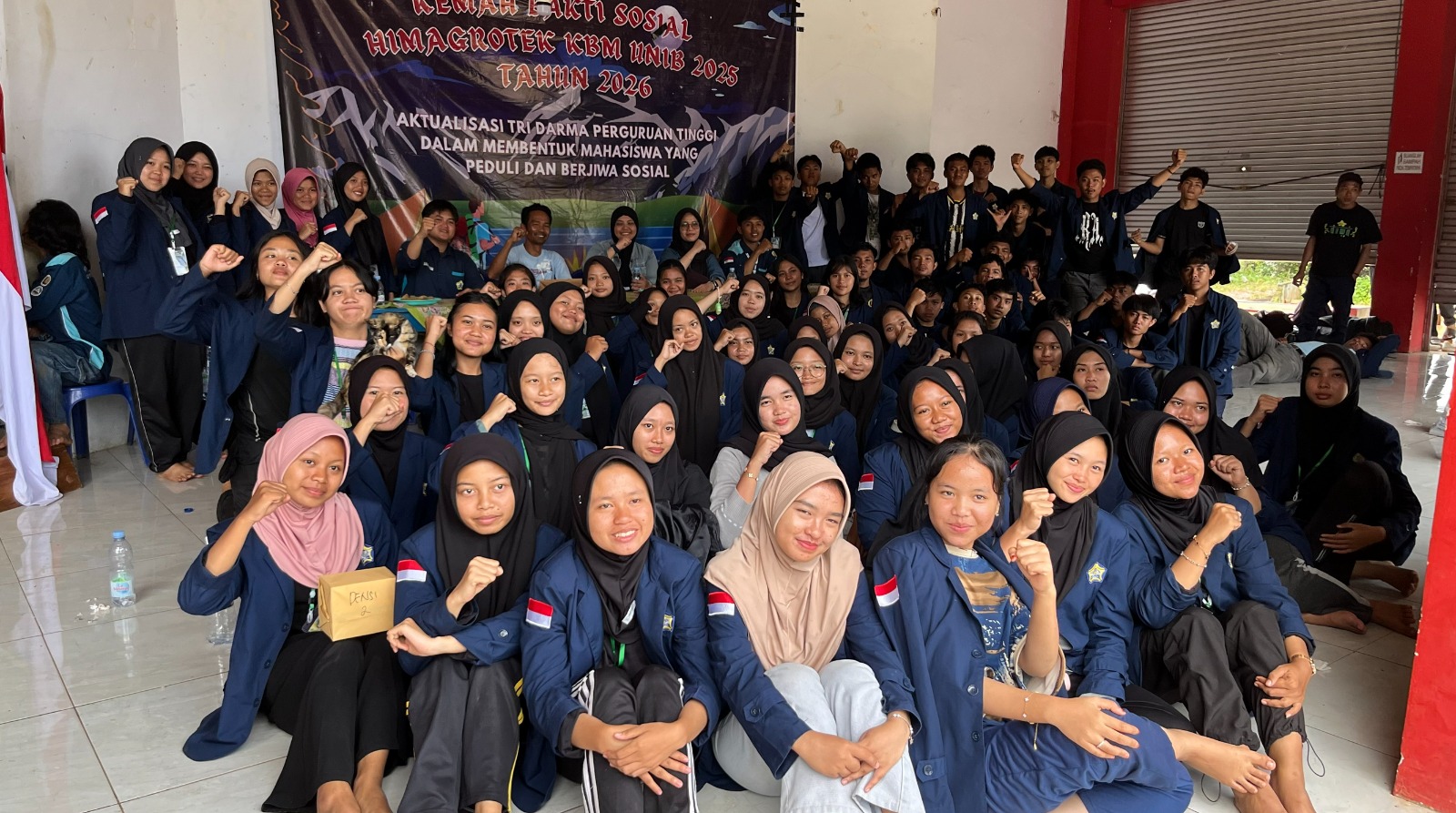
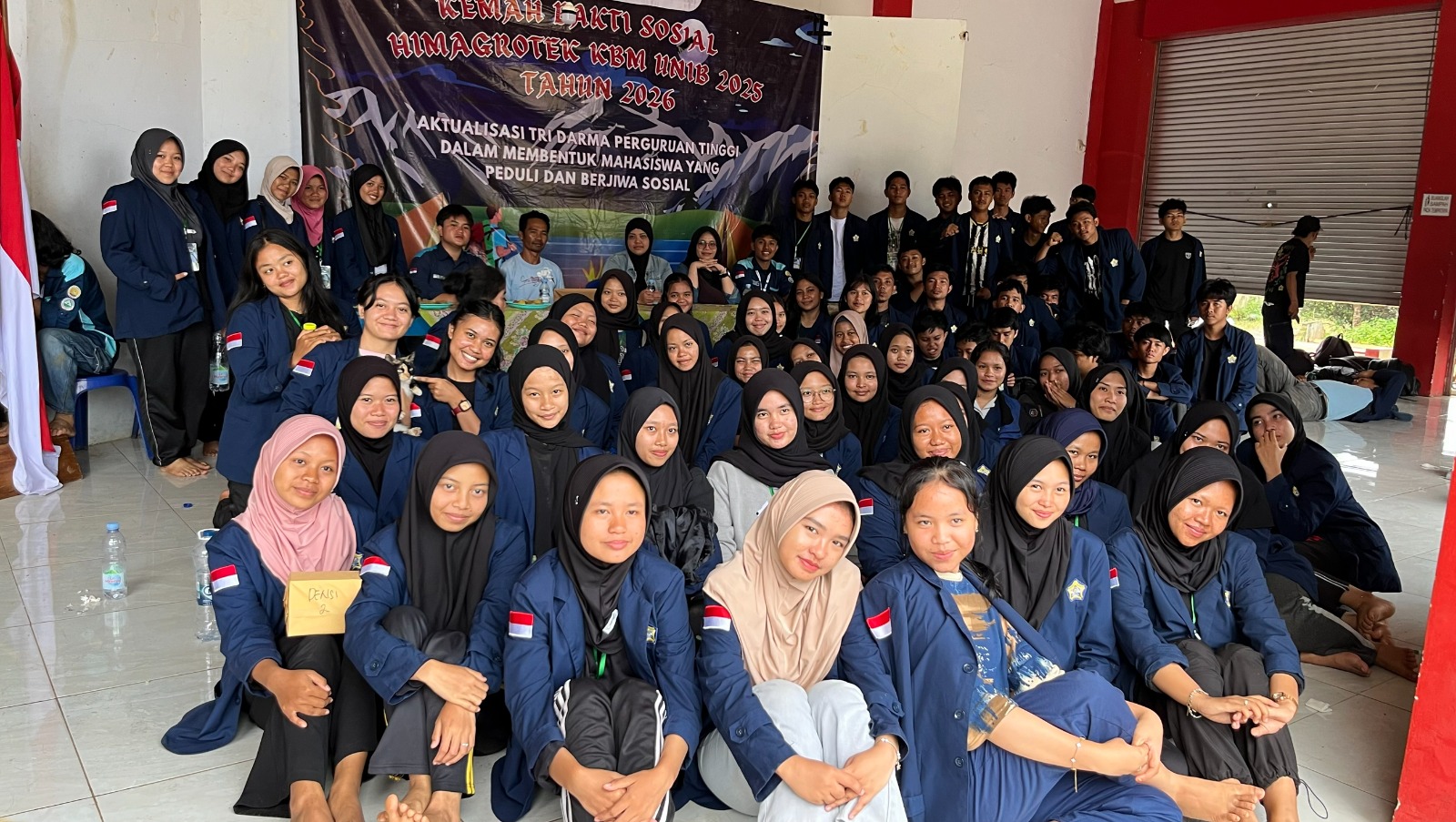
The program continued on Friday evening, April 17, 2026, with an educational session delivered by Dr. Supanjani, M.Sc. and Dr. Sumardi, M.P.
The session provided participants and members of the local community with insights into agricultural practices and community-based development. It also served as an interactive forum for knowledge exchange, allowing students to connect academic concepts with real conditions in the field.
Field Observation and Practical Activities
On Saturday, April 18, 2026, participants took part in field observation and demonstration activities, guided by Anita Hazimah Putri, S.P., M.Si. and Rahayu Arraudhah, S.P., M.Si.
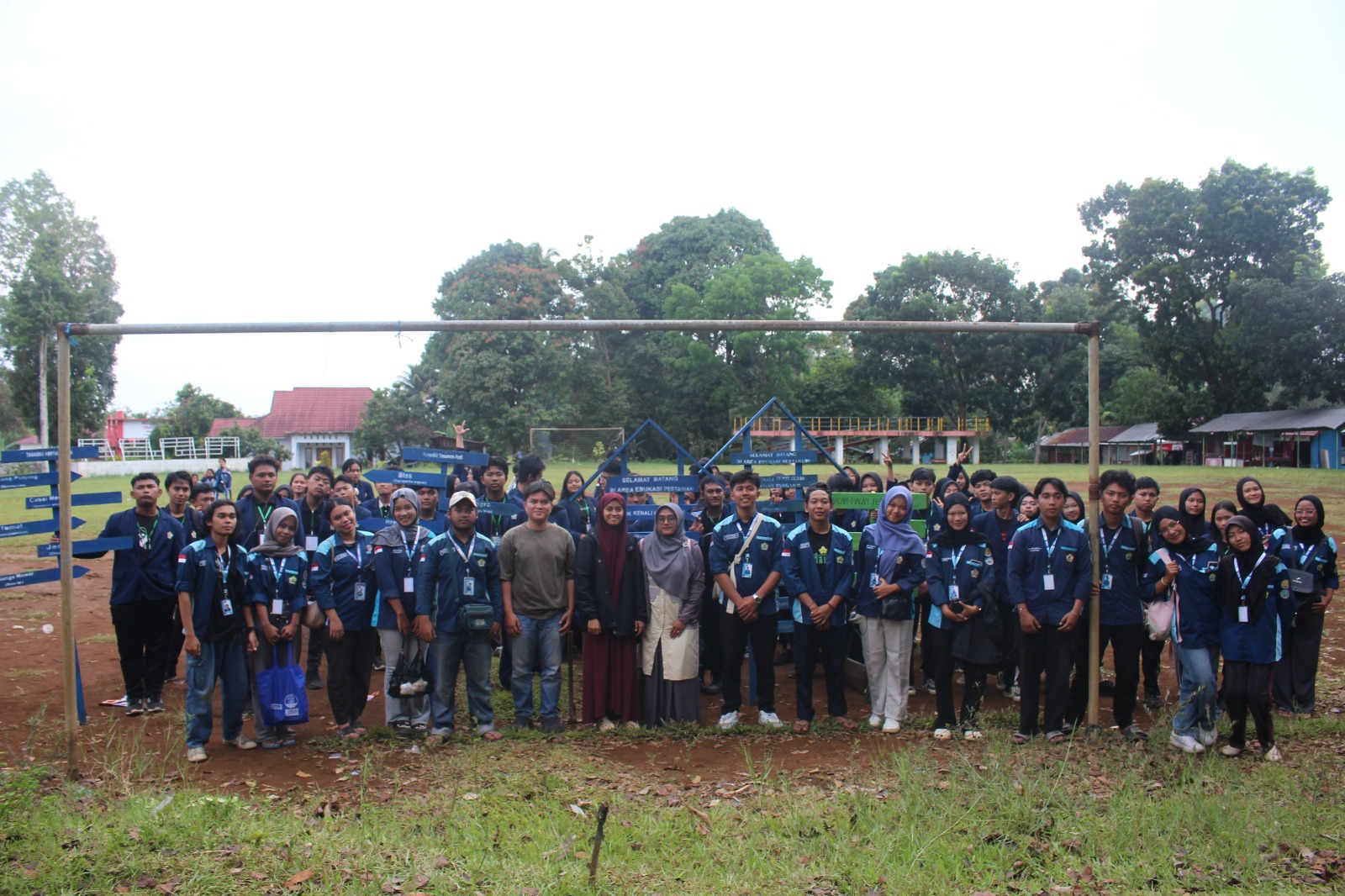
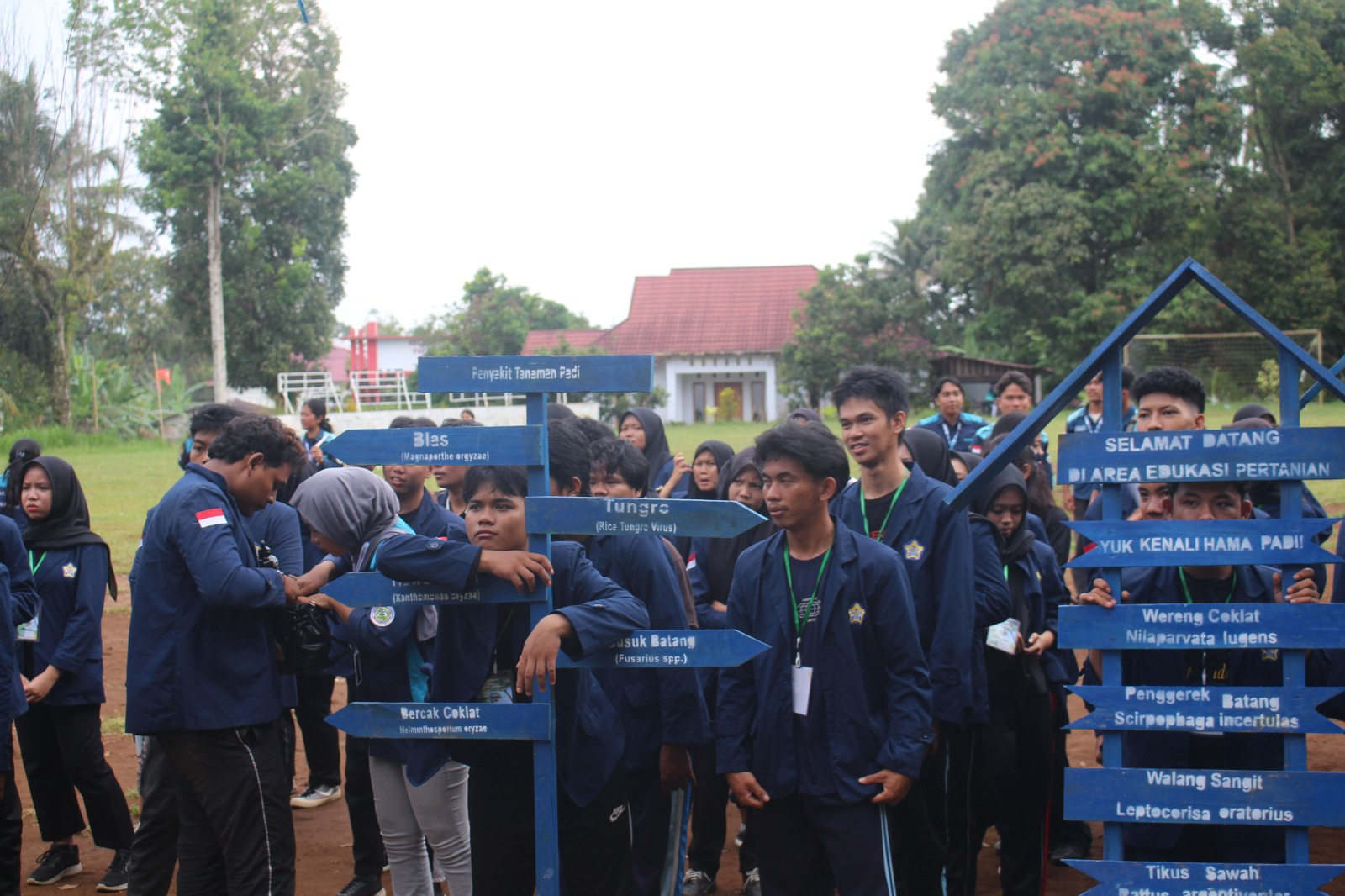
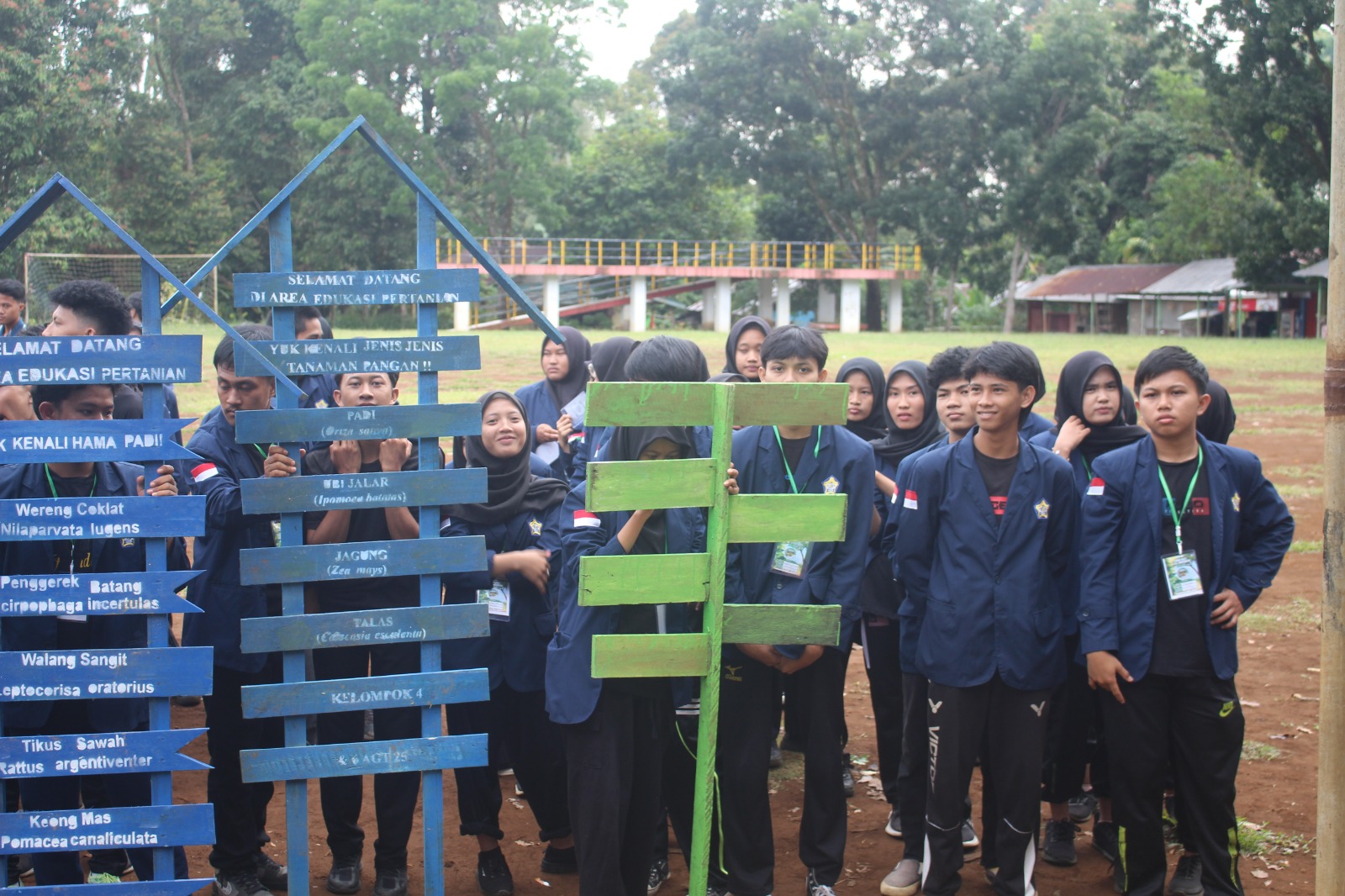
Students directly observed local agricultural practices and engaged in practical activities, including the installation of agricultural signage (plang). These activities enhanced students’ technical skills while strengthening their ability to analyze real-world agricultural challenges.
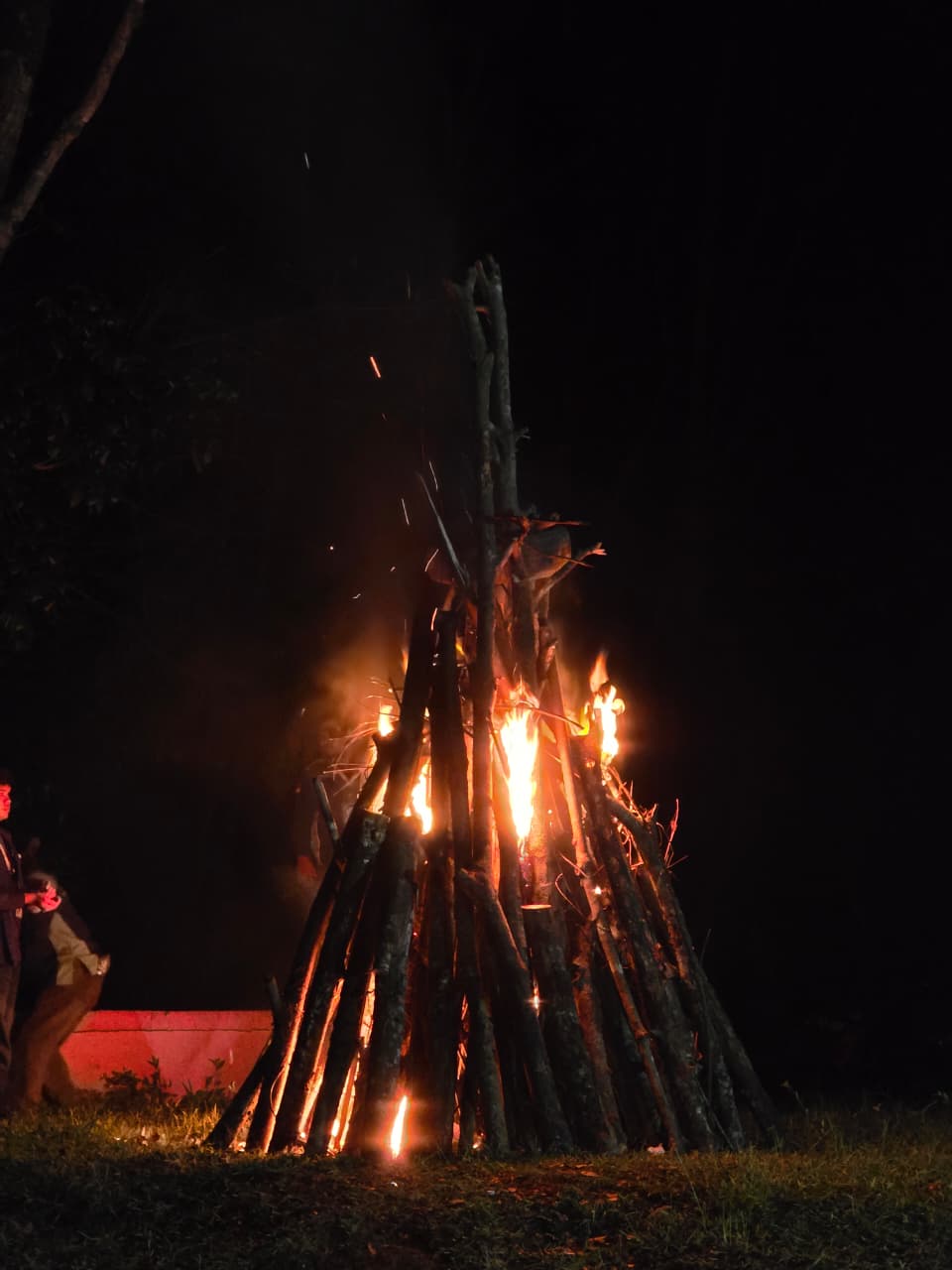
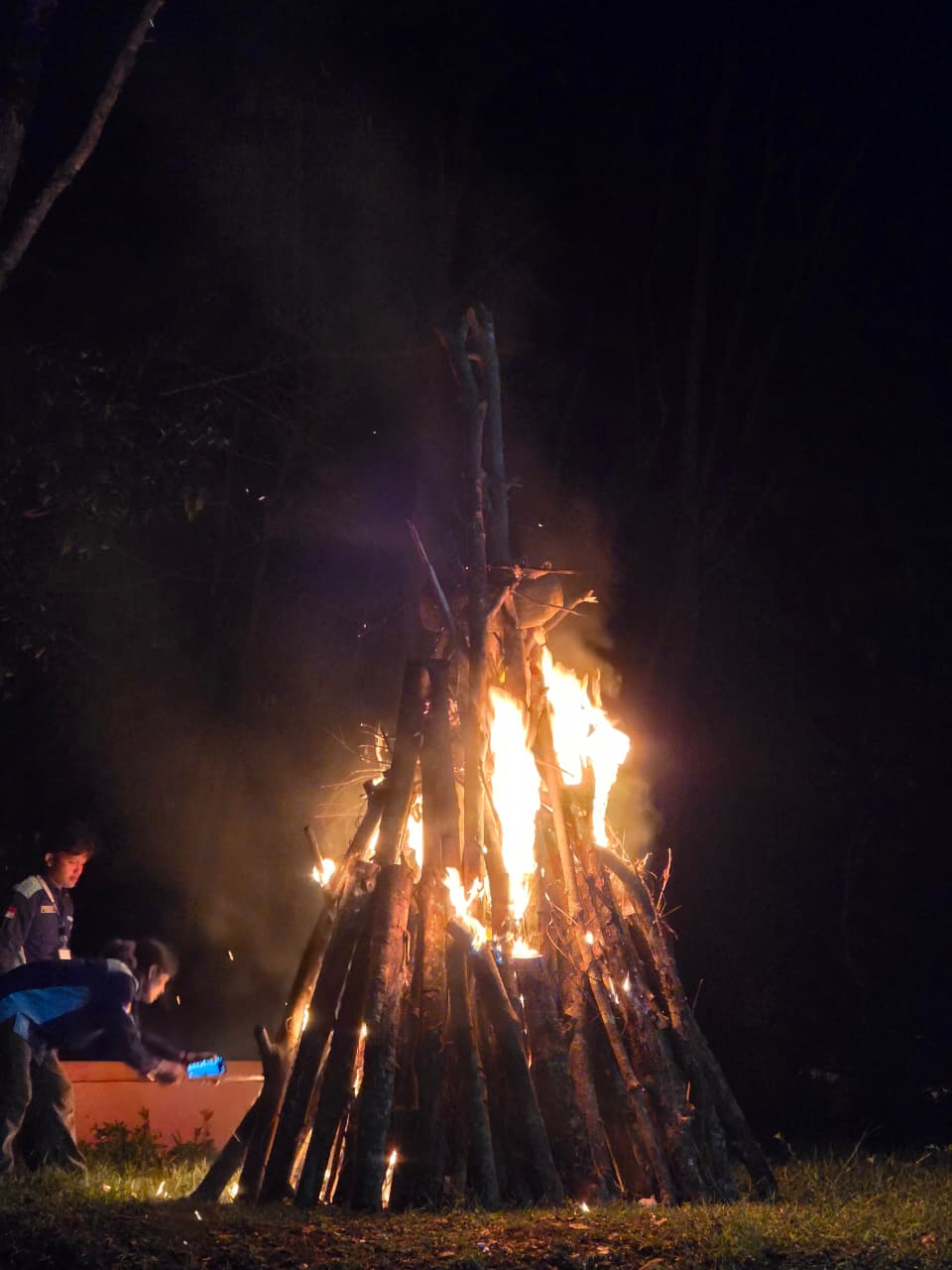
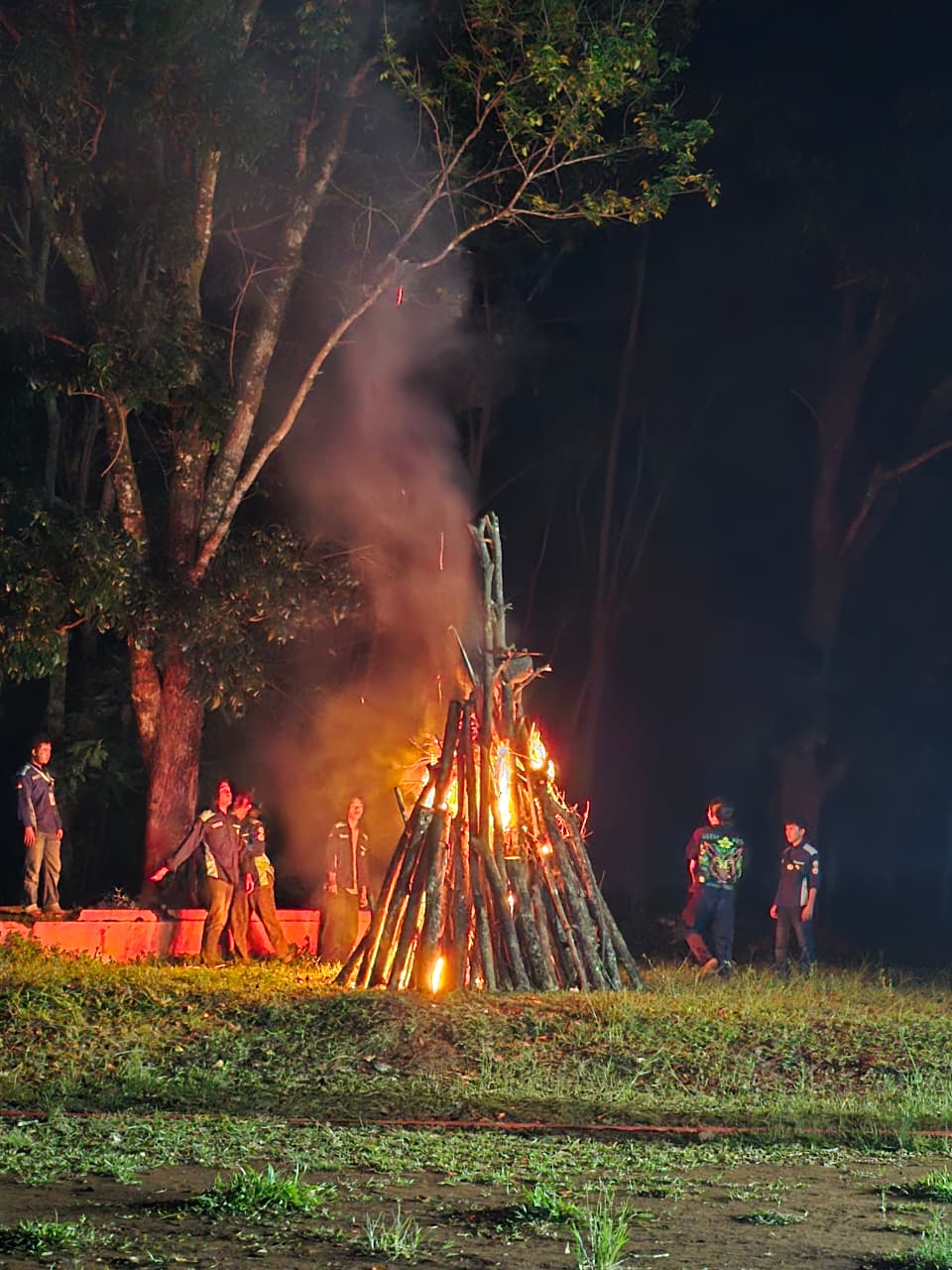
In the evening, participants and the local community gathered for a cultural event (Pentas Seni) facilitated by Wuri Prameswari, S.P., M.Si. and Putri Mian Hairani, S.P., M.Si. The event fostered a sense of togetherness and strengthened social bonds between students and the community.
Closing and Program Outcomes
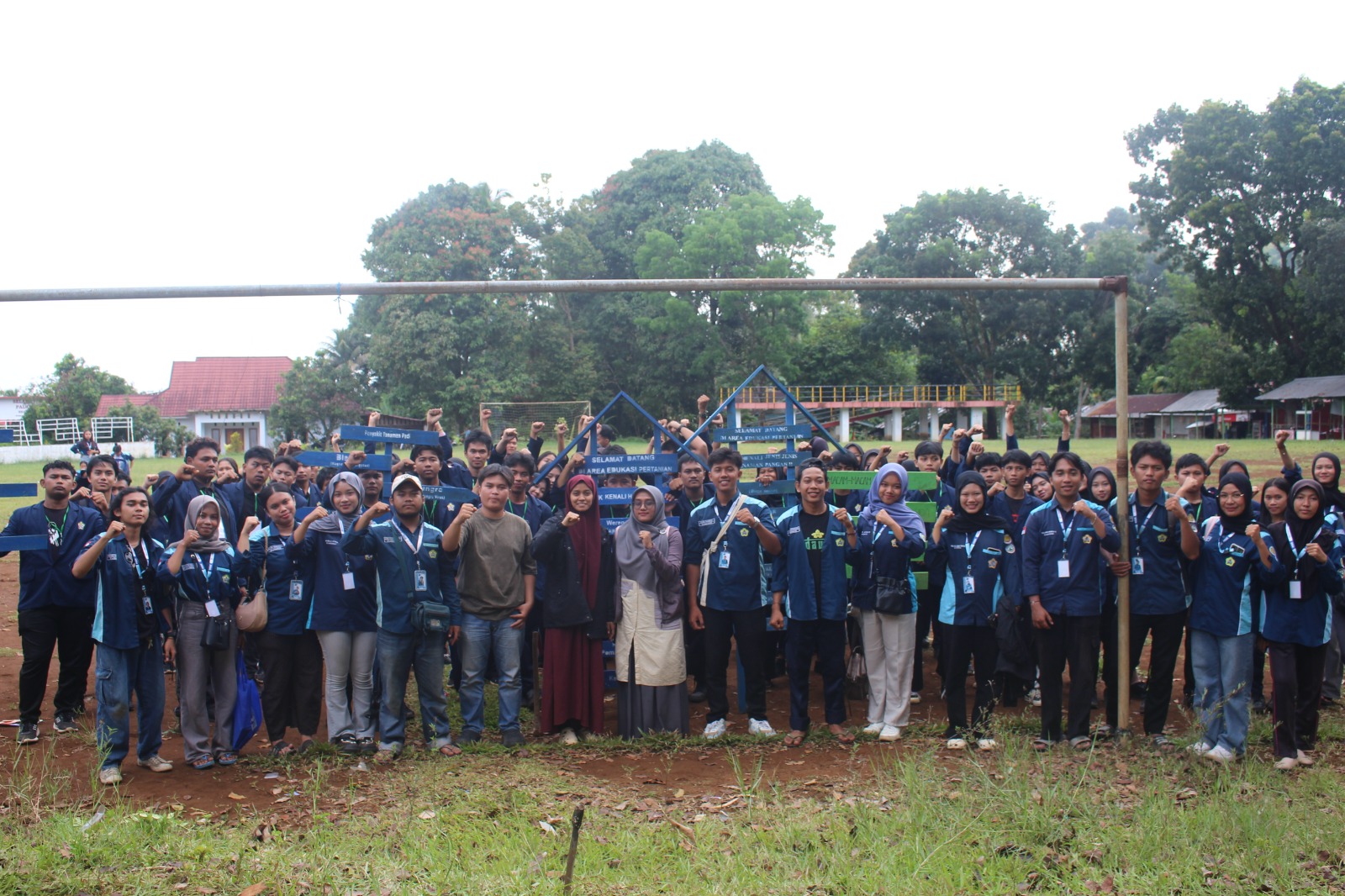
The program concluded on Sunday, April 19, 2026, with outbound activities, followed by the official closing session and the return of participants to the University of Bengkulu.
Through the KBS 2026 program, students gained valuable experience in applying academic knowledge in real-world settings while developing social awareness, teamwork, and problem-solving skills.
This activity also reinforced the connection between the university and the local community, highlighting the role of students as agents of change in promoting sustainable agricultural development.