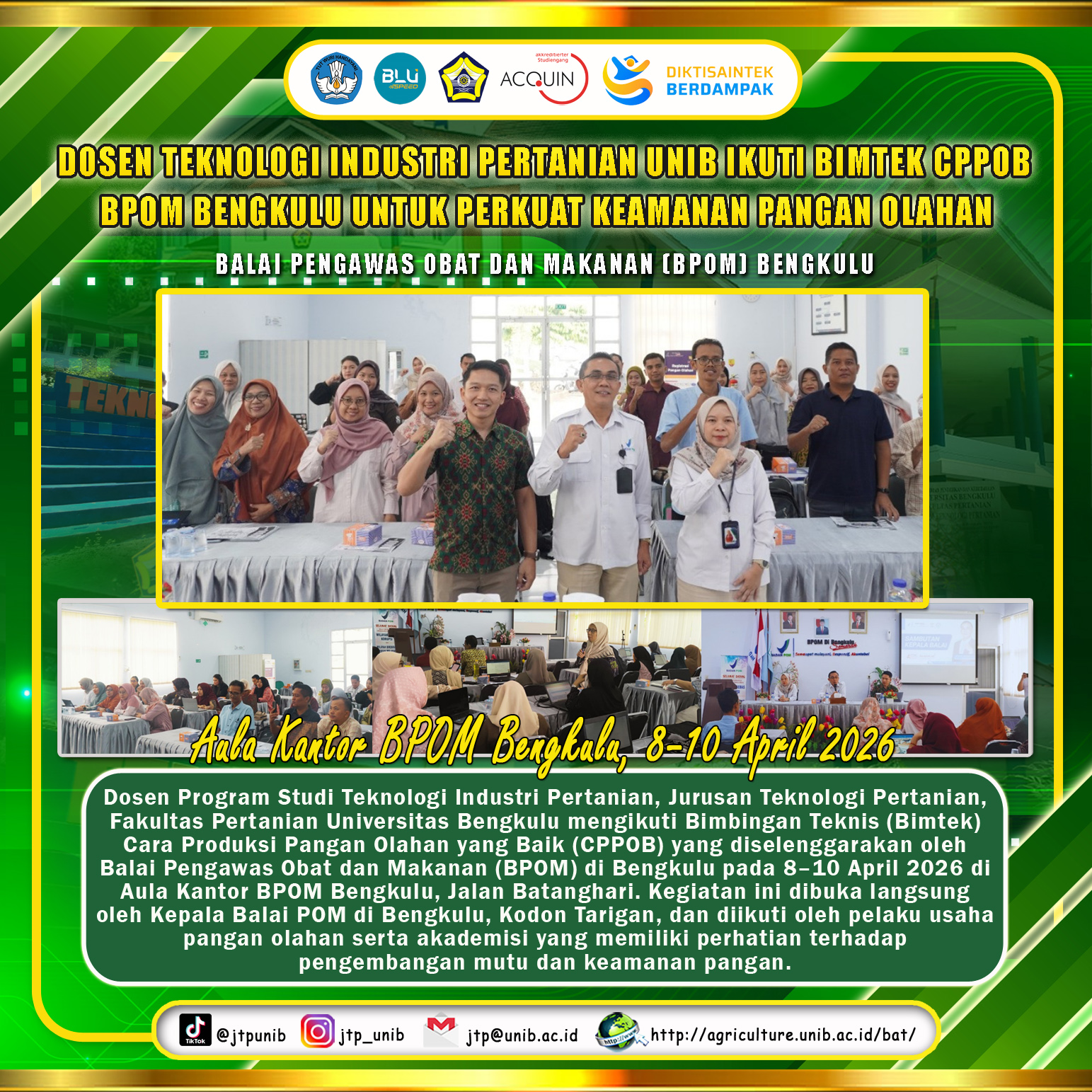
UNIB Agricultural Industry Technology Lecturer Participates in CPPOB BPOM Bengkulu Technical Guidance to Strengthen Processed Food Safety
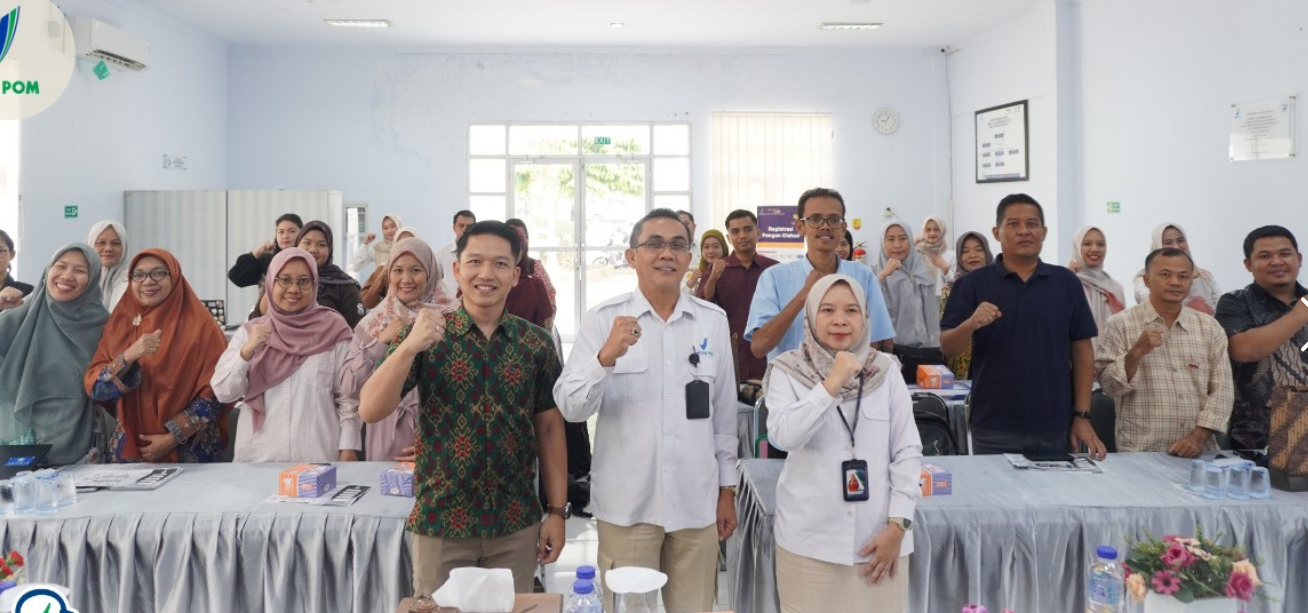
Lecturers of the Agricultural Industrial Technology Study Program, Department of Agricultural Technology, Faculty of Agriculture, University of Bengkulu participated in the Technical Guidance (Bimtek) on Good Processed Food Production Methods (CPPOB) organized by the Food and Drug Supervisory Center (BPOM) in Bengkulu on April 8-10, 2026 at the BPOM Bengkulu Office Hall, Jalan Batanghari. This activity was opened directly by the Head of the POM Center in Bengkulu, Kodon Tarigan, and was attended by processed food business actors and academics who have concerns about the development of quality and food safety.
Lecturers of the Agricultural Industrial Technology Study Program who participated in this activity were Dra. Devi Silsia, M.Si., Sri Wulandari, S.T.P., M.Sc., Selly Ratna Sari, S.Pi., M.Si., and Ulfah Anis, S.T.P., M.Sc. The participation of these lecturers is part of an effort to increase the capacity of academics in understanding food safety standards while supporting assistance to business actors, especially processed food MSMEs in Bengkulu Province.
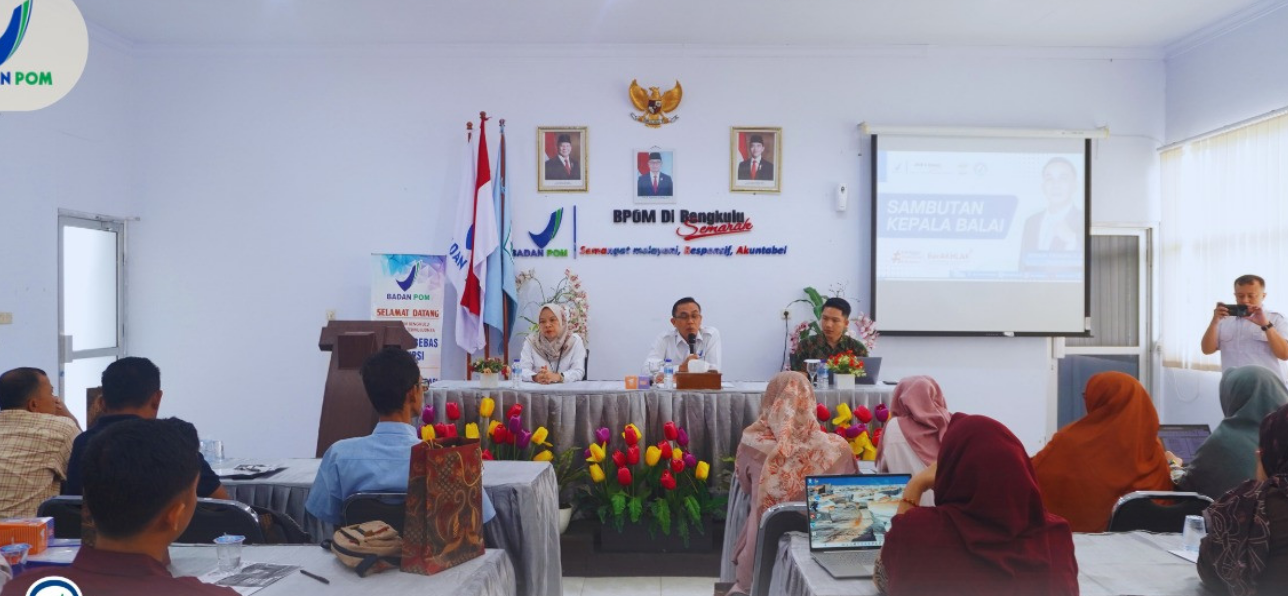
This activity aims to increase the understanding and capacity of business actors, especially micro and small businesses, in implementing the principles of CPPOB to ensure processed food products that are safe, quality, and meet applicable regulations. This is very important considering that the processed food sector has a strategic role in the regional economy and contributes directly to public health as the final consumer.
During the three days of implementation, participants received comprehensive material related to CPPOB which covered 25 important aspects, ranging from the environment of production facilities, sanitation and hygiene, the use of raw materials, production process control, production facility arrangement, to product packaging and storage. Participants were also equipped with an understanding of the potential food hazards, both biological, chemical, and physical, as well as preventive measures that need to be implemented to ensure the safety of food products.
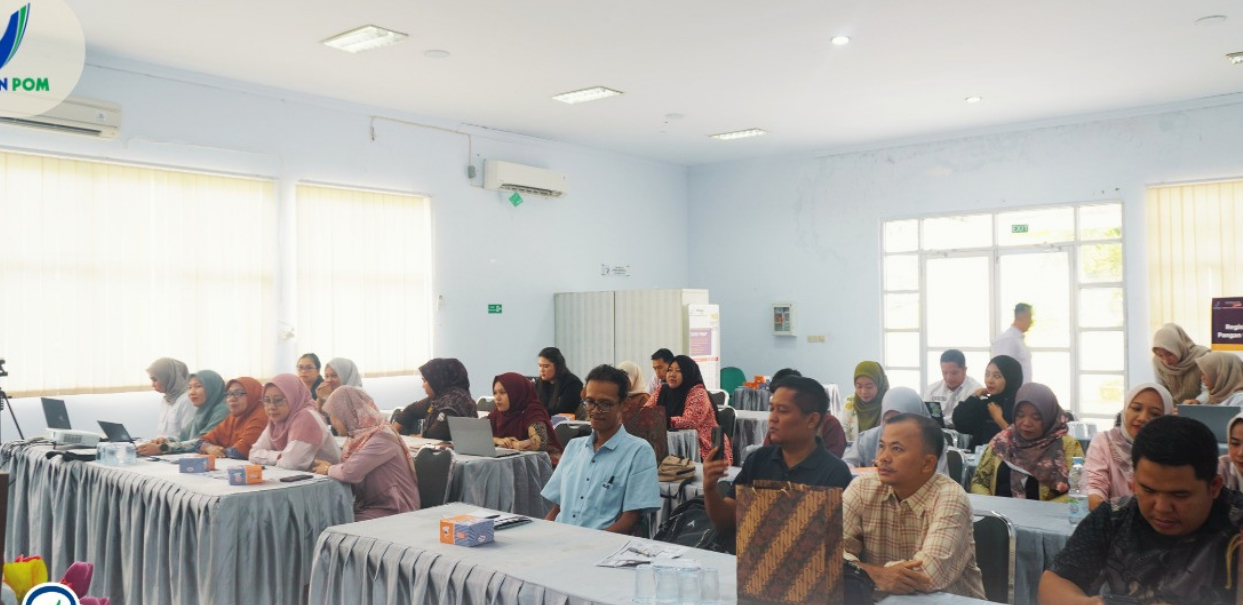
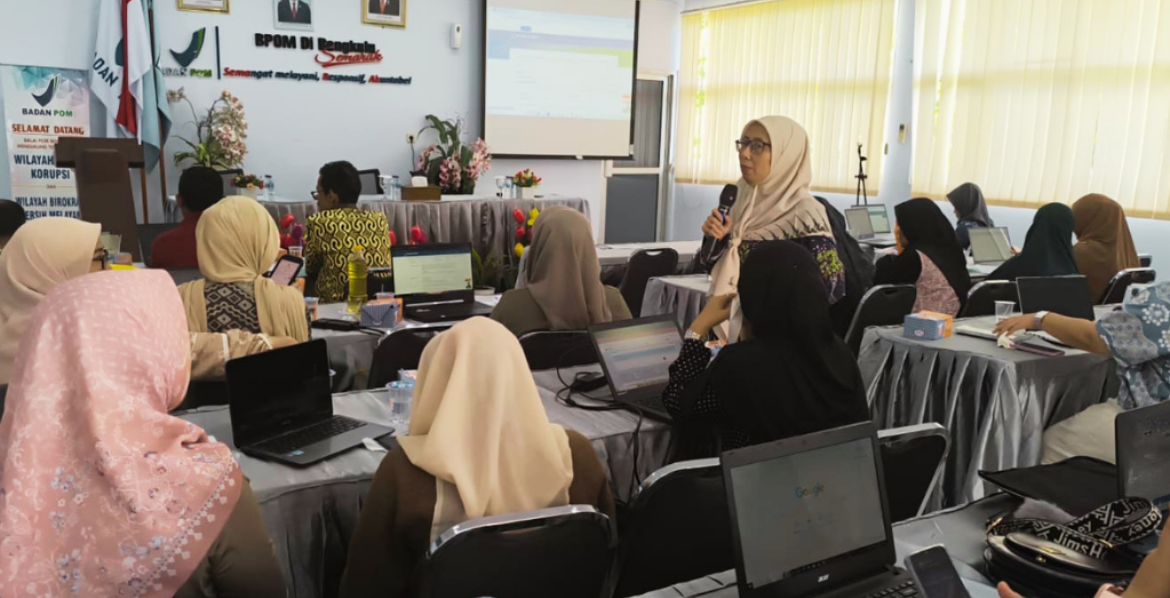
This activity also presented resource persons from PT Konimex who explained the importance of controlling food distribution as a whole, starting from the process of receiving raw materials, storage, to delivering products to consumers. In addition, participants received material on the traceability system and product recall which emphasized the importance of recording raw materials, using production codes (batch), and the readiness of business actors to recall products if quality or safety discrepancies are found.
Not only through the presentation of the material, this activity is also equipped with interactive discussions and hands-on practices, such as the preparation of supporting documents and CPPOB registration simulations through the Online Single Submission (OSS) system. This approach provides practical experience to participants to be better prepared in implementing food safety standards in the field.
Through the participation of lecturers in this CPPOB Technical Guidance, it is hoped that the Agricultural Industry Technology Study Program will be able to contribute to supporting the improvement of the quality of processed food MSMEs in Bengkulu. In addition to strengthening academic capacity, this activity is also a strategic step in building synergy between universities, the government, and the business world to create a safe, quality, and sustainable food system.


