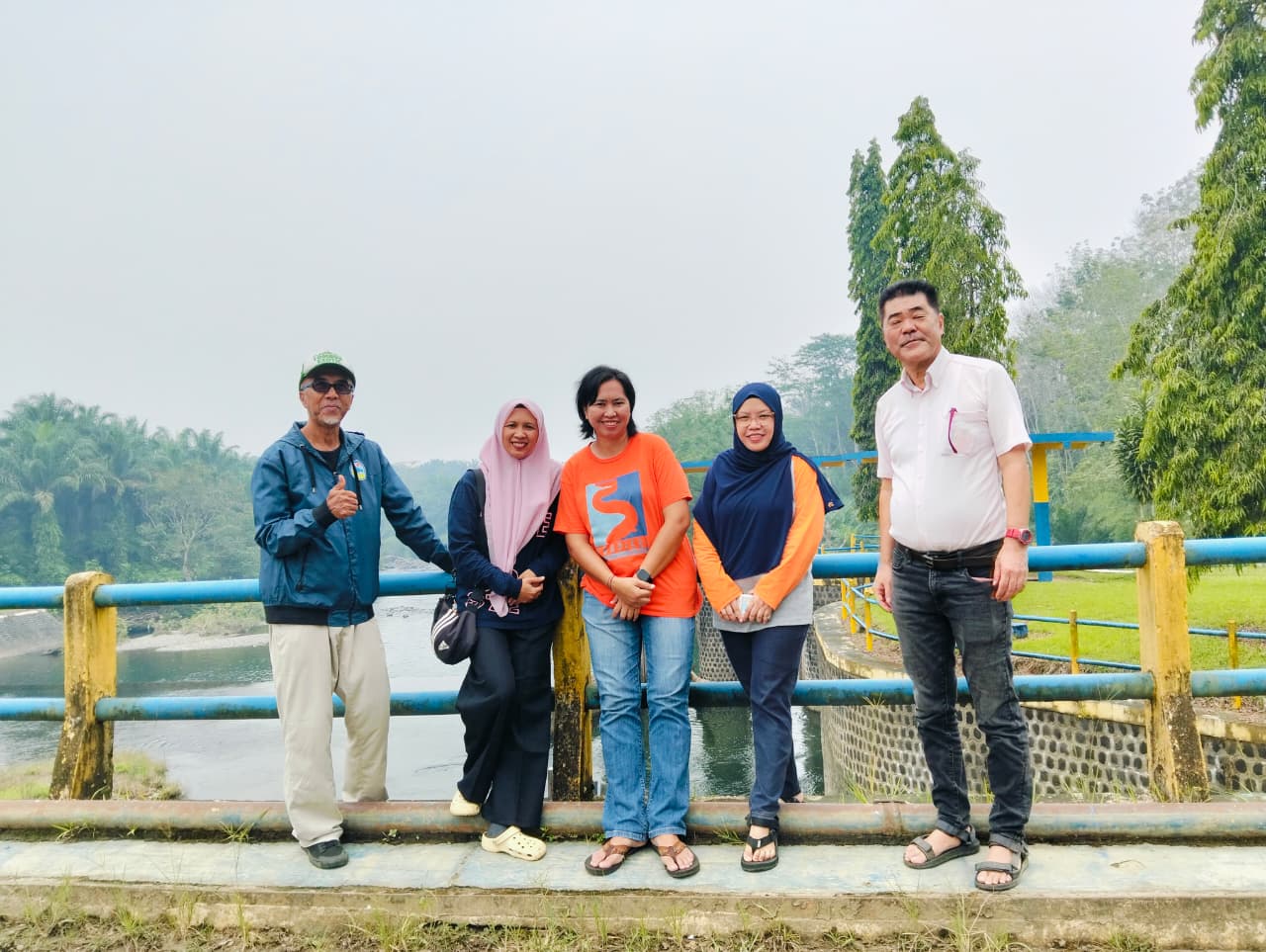
Marine Science Researcher-Lecturer Joins SEAFDEC Eel Habitat Survey
BENGKULU, Indonesia — Maya Anggraini Fajar Utami, S.Pi., M.Si., a lecturer from the Marine Science Study Program at the University of Bengkulu (UNIB), collaborated with the Southeast Asian Fisheries Development Center’s Inland Fishery Resources Development and Management Department (SEAFDEC/IFRDMD) in a series of field surveys investigating eel (sidat) fisheries and river habitats in Bengkulu Province. Conducted from October 6–9, 2026, the surveys focused on understanding eel fishing practices, local ecological knowledge, and habitat conditions across several river systems.
The fieldwork was conducted under the project “Enhanced Research Capacities for Sustainable Utilization and Management of Eel and Other Inland Fisheries Resources,” supported by the Japan Trust Fund (JTF) VIII. Through this collaboration, Maya Anggraini Fajar Utami contributed to research activities that combined field observations, discussions with local fishers, and assessments of river habitats. The initiative highlights the Marine Science Study Program’s involvement in collaborative research addressing the sustainable management of inland aquatic resources.
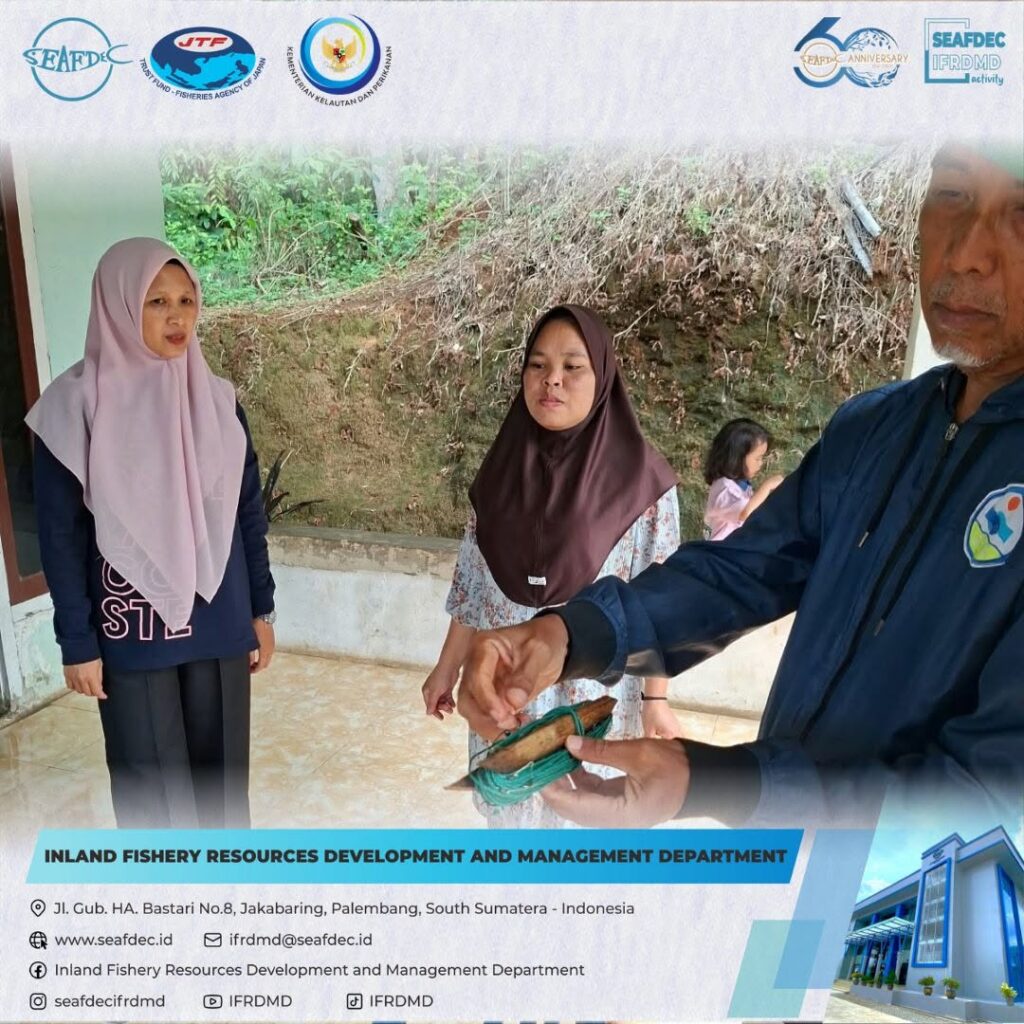
In Air Palik, North Bengkulu, the research team documented traditional eel fishing practices using tajur, a baited longline equipped with approximately 8–10 hooks and typically set in the afternoon before being retrieved the following morning. Several eel specimens, provisionally identified as longfin anguillid eels, were collected for further examination. Local fishers also shared their knowledge of eels known as selan lelew and selan bingin, describing differences in their movements and preferred habitats. Further scientific investigation is needed to determine whether these local classifications correspond to different eel species.
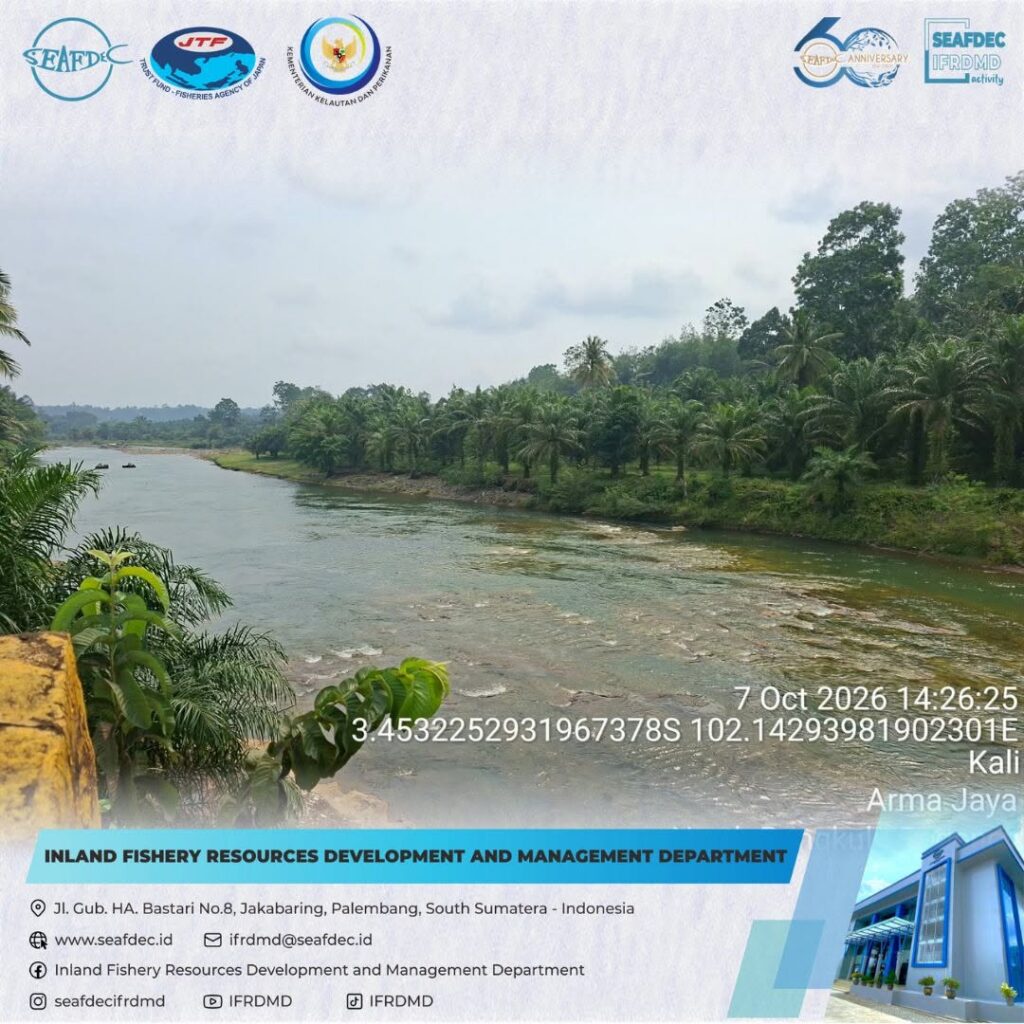
Beyond fisheries observations, the surveys examined river habitats and connectivity in the Air Palik and Air Lais rivers in North Bengkulu, as well as the Air Manna River extending upstream to Tanjung Sakti. One notable finding was the collection of two eel specimens suspected to be longfin anguillid eels at approximately 1,000 metres above sea level in Tanjung Sakti. This finding provides preliminary evidence of eel occurrence in upland freshwater habitats and underscores the importance of investigating how eels use river systems connecting estuarine and upstream environments. The team also documented local reports of changes in the Air Palik estuary associated with fishing port development and noted an upstream irrigation dam on the Air Lais River.
Through Maya’s participation, the Marine Science Study Program at the University of Bengkulu continues to contribute to collaborative research on aquatic ecosystems and fisheries resources. The integration of scientific observations with the traditional knowledge of local fishing communities provides valuable information for understanding eel habitats and supporting sustainable fisheries management. The findings from the surveys will contribute to ongoing research by SEAFDEC/IFRDMD and its partners, reinforcing the importance of research collaboration in conserving eel populations and maintaining the ecological connectivity of river systems.


