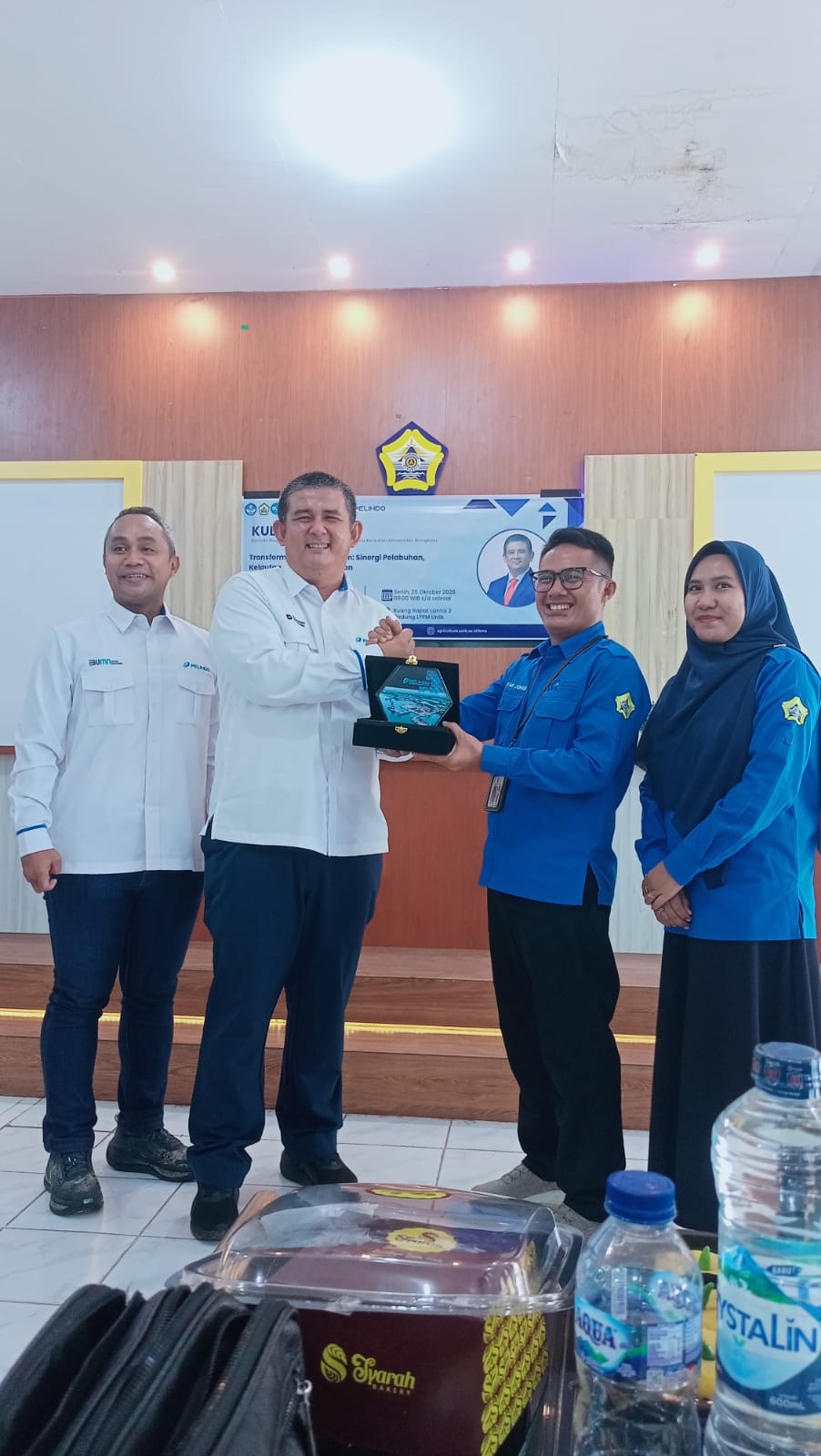
Marine Science Study Program Holds General Lecture with PELINDO Regional-2 on Maritime Sector Transformation and Sustainability
The Marine Science Study Program, Faculty of Agriculture, University of Bengkulu, in collaboration with Pelindo Regional 2 Bengkulu, held a general lecture entitled “The Transformation of the Maritime Sector: Synergy Between Ports, Marine Affairs, and Sustainability” on Monday, October 26, 2026. The event provided a platform for academic and industry engagement, focusing on the transformation of Indonesia’s maritime sector and the importance of strengthening connections between port operations, marine development, and sustainability.
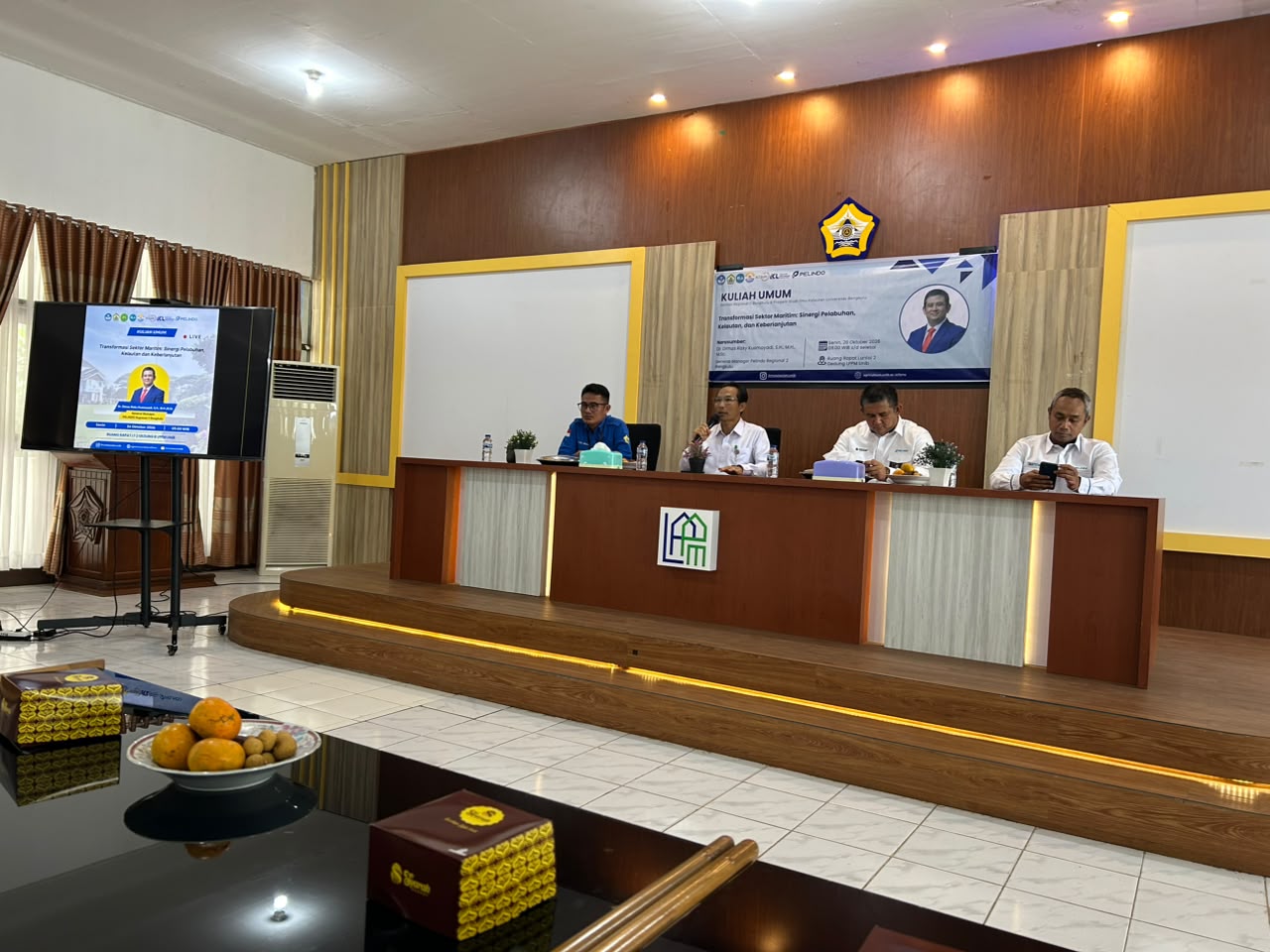
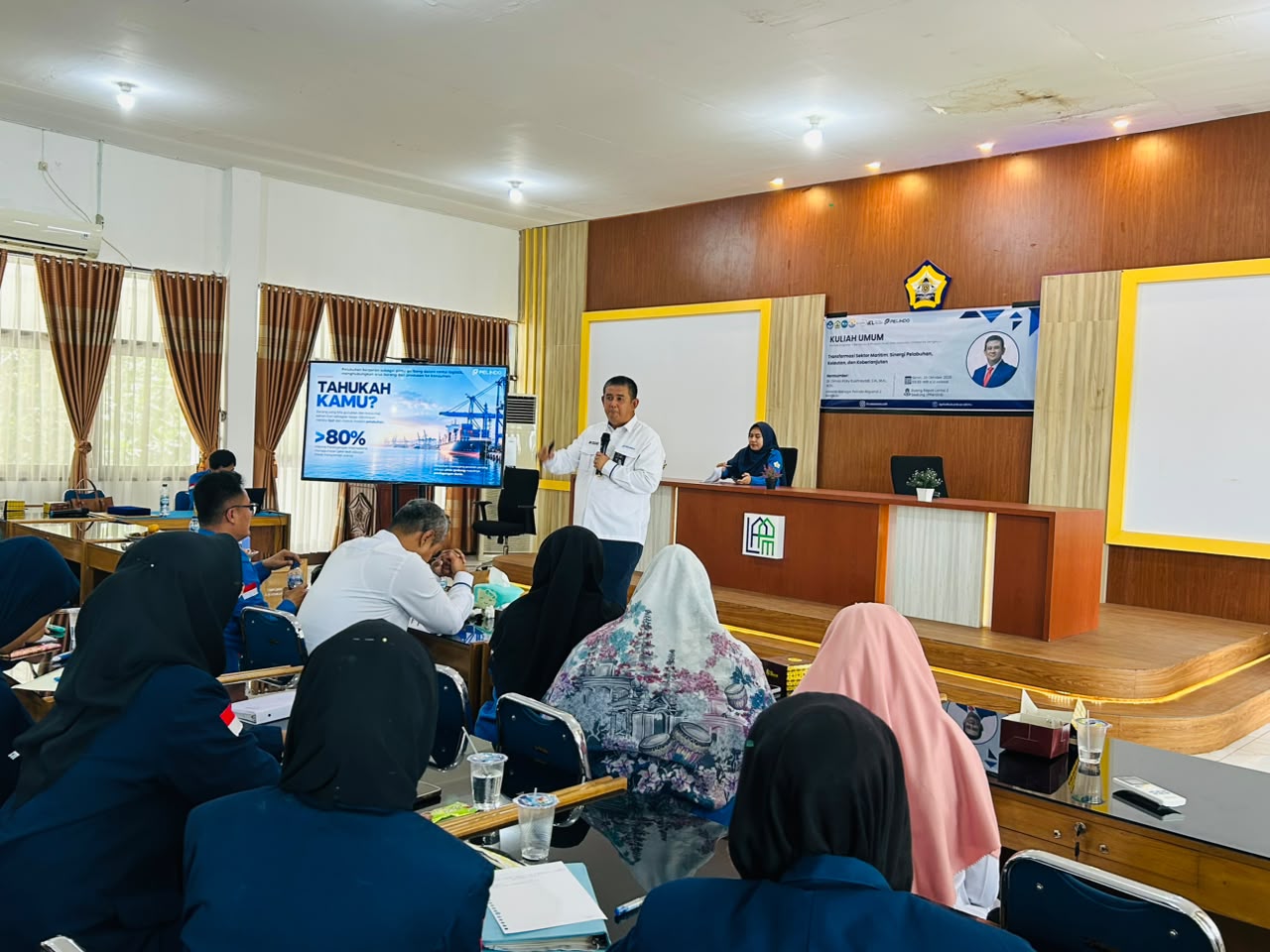
The general lecture featured Dr. Dimas Rizky Kusmayadi, S.H., M.H., M.Sc., General Manager of Pelindo Regional 2 Bengkulu, as the speaker. Drawing on his professional experience in the port and maritime industry, he shared perspectives on the evolving maritime sector and the strategic role of ports in supporting national and regional economic development. The session also offered students an opportunity to gain a broader understanding of the relationship between maritime infrastructure, logistics, marine resources, and sustainable development.
The Dean of the Faculty of Agriculture, Prof. Dr. Ir. Suharyanto, S.Pt., M.Si. fromUniversity of Bengkulu, who emphasized the importance of strengthening collaboration between universities and industry. Such partnerships play an important role in connecting academic knowledge with professional practice, expanding students’ perspectives, and preparing graduates to respond to the changing needs of the maritime sector. The opening remarks also underscored the value of academic forums in encouraging knowledge exchange and cooperation among educational institutions and industry practitioners.
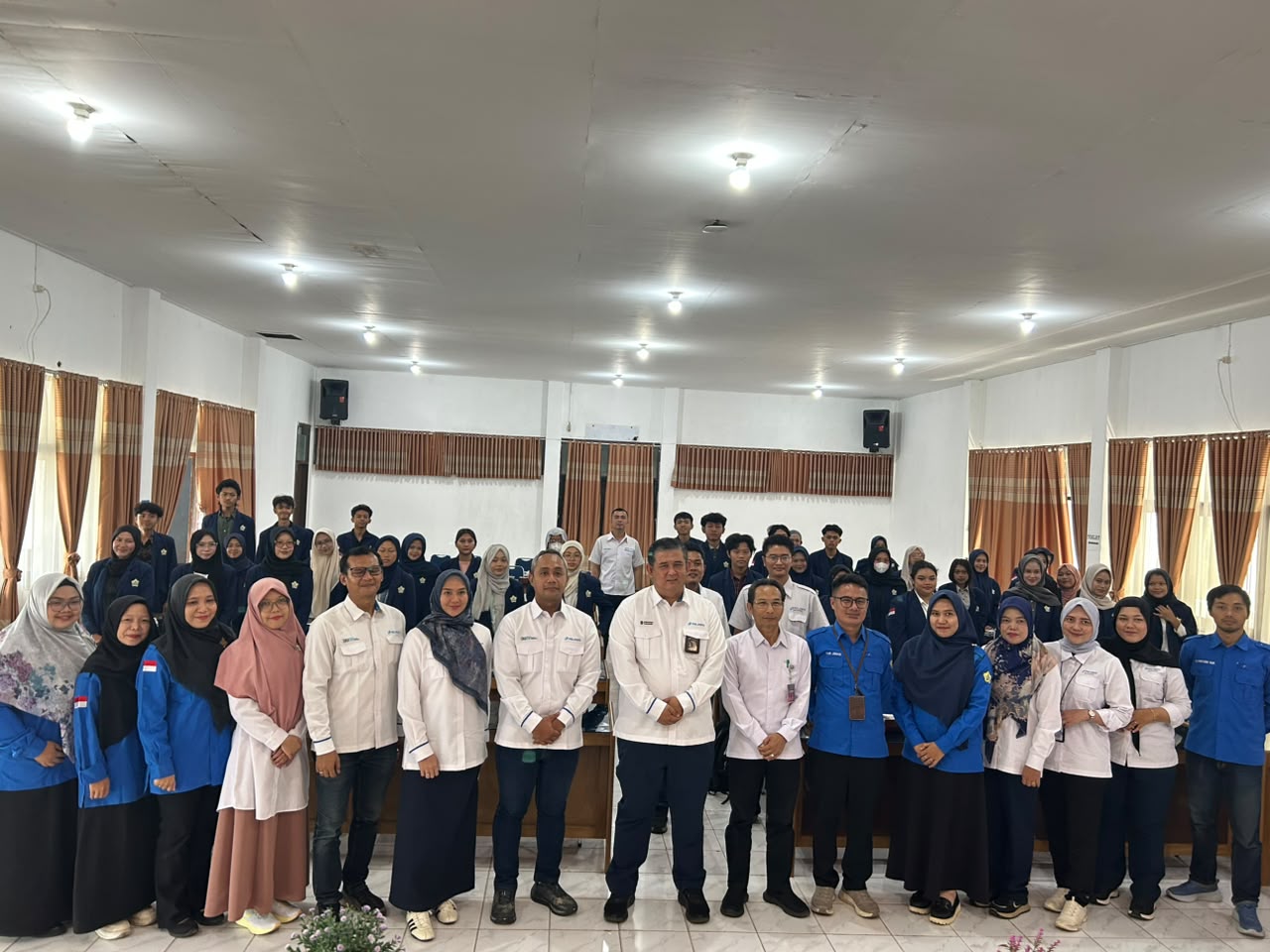
The discussion highlighted the importance of ports as strategic components of the maritime transportation and logistics system. Efficient port operations contribute to the movement of goods, regional connectivity, and economic growth. At the same time, the transformation of the maritime sector requires an integrated approach that considers technological developments, operational efficiency, environmental responsibility, and the long-term sustainability of marine and coastal resources.
Beyond the technical and operational aspects, the lecture encouraged students to recognize the importance of collaboration among government institutions, port operators, academic communities, and other maritime stakeholders. Addressing current maritime challenges requires not only infrastructure and technological improvements but also competent human resources, informed decision-making, and a shared commitment to sustainable development. Through direct engagement with industry professionals, students can better understand how concepts learned in the classroom are applied in real-world situations.
The general lecture reflects the commitment of the Marine Science Study Program, Faculty of Agriculture, University of Bengkulu, to enhancing the quality of academic learning through collaboration with industry partners. By facilitating dialogue between academia and maritime practitioners, the event is expected to broaden students’ knowledge, strengthen professional awareness, and encourage greater contributions to Indonesia’s maritime future. The collaboration with Pelindo Regional 2 Bengkulu also represents an important step toward fostering stronger links between higher education and the maritime industry in support of an innovative, integrated, and sustainable maritime sector.