Parallel Scientific Sessions of Samudra Rafflesia I: Dissemination of Marine and Fisheries Research Across Seven Thematic Rooms
Parallel Sessions of Samudra Rafflesia I Showcase Diverse Marine and Fisheries Research Across Seven Thematic Rooms
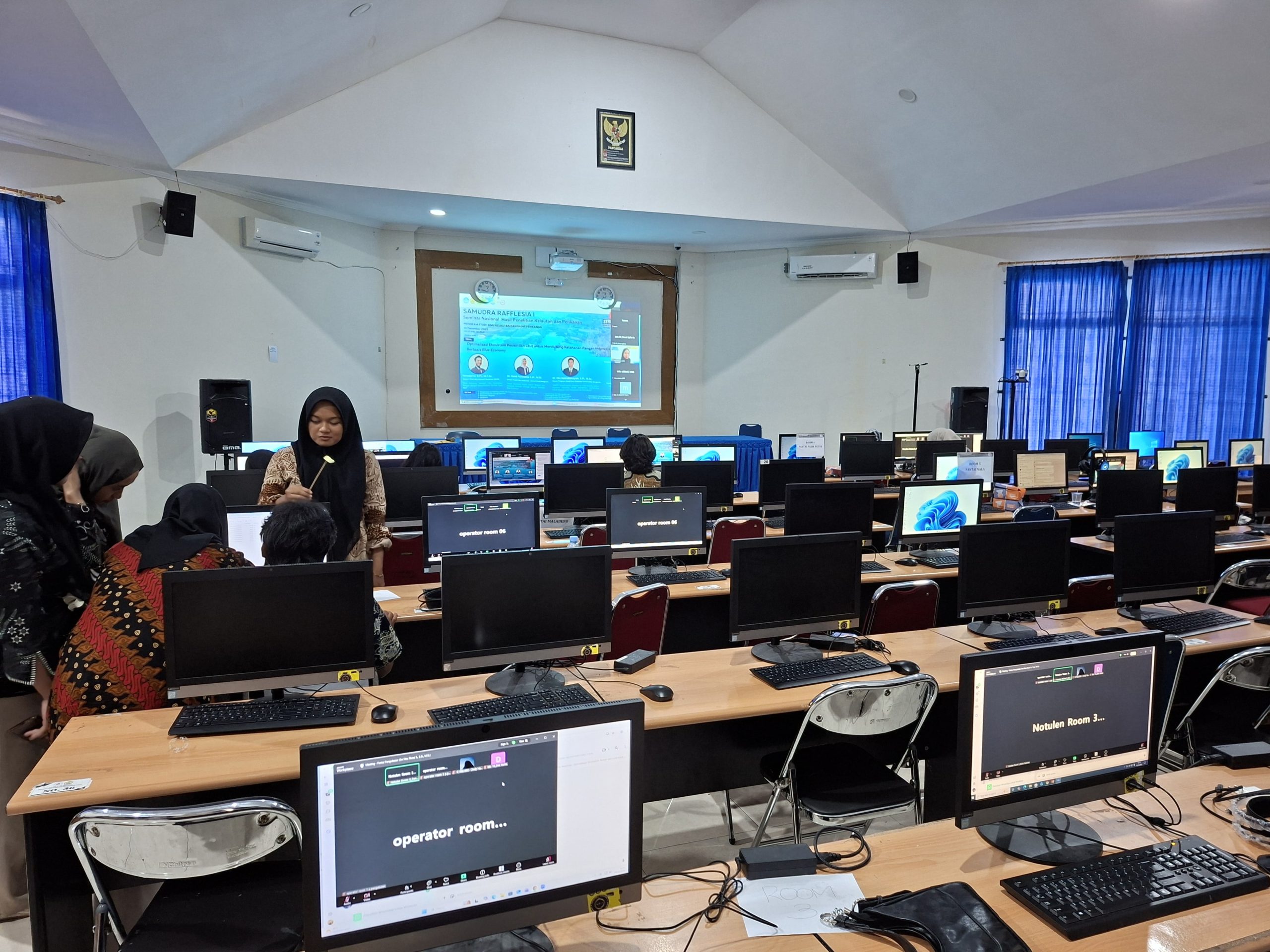
Bengkulu, 18 December 2025 — The afternoon session of the National Seminar Samudra Rafflesia I featured an extensive parallel presentation program, providing a platform for researchers and students to disseminate their scientific work in marine and fisheries sciences. The parallel sessions were conducted from 13.00 to 15.15 WIB and were organized into seven parallel rooms, each focusing on specific scientific scopes within the marine and fisheries disciplines.
In total, more than 90 presenters from various universities and institutions across Indonesia delivered oral presentations. Each room was moderated by academic staff from the Marine Science and Fisheries Science Study Program and related fields, ensuring structured discussions and rigorous scientific exchange.
Room 1 – Pantai Laguna
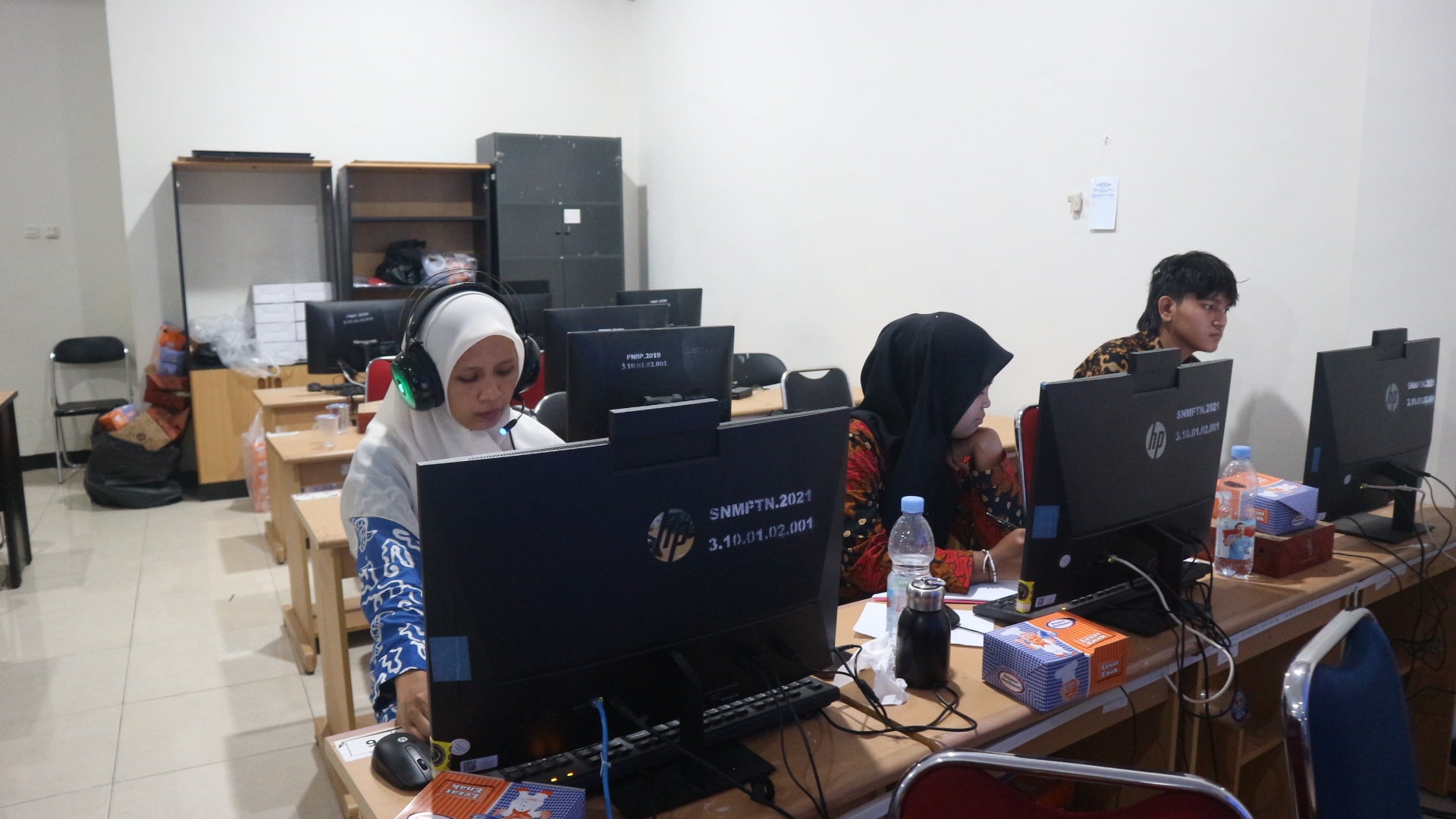
Moderator: Maya Angraini FU, S.Pi., M.Si.
This room focused primarily on aquaculture and aquatic animal health, covering topics such as water quality management, growth performance of cultured species, broodstock management, disease and parasite analysis, and operational practices in shrimp and marine fish aquaculture systems.
Room 2 – Pantai Malabero
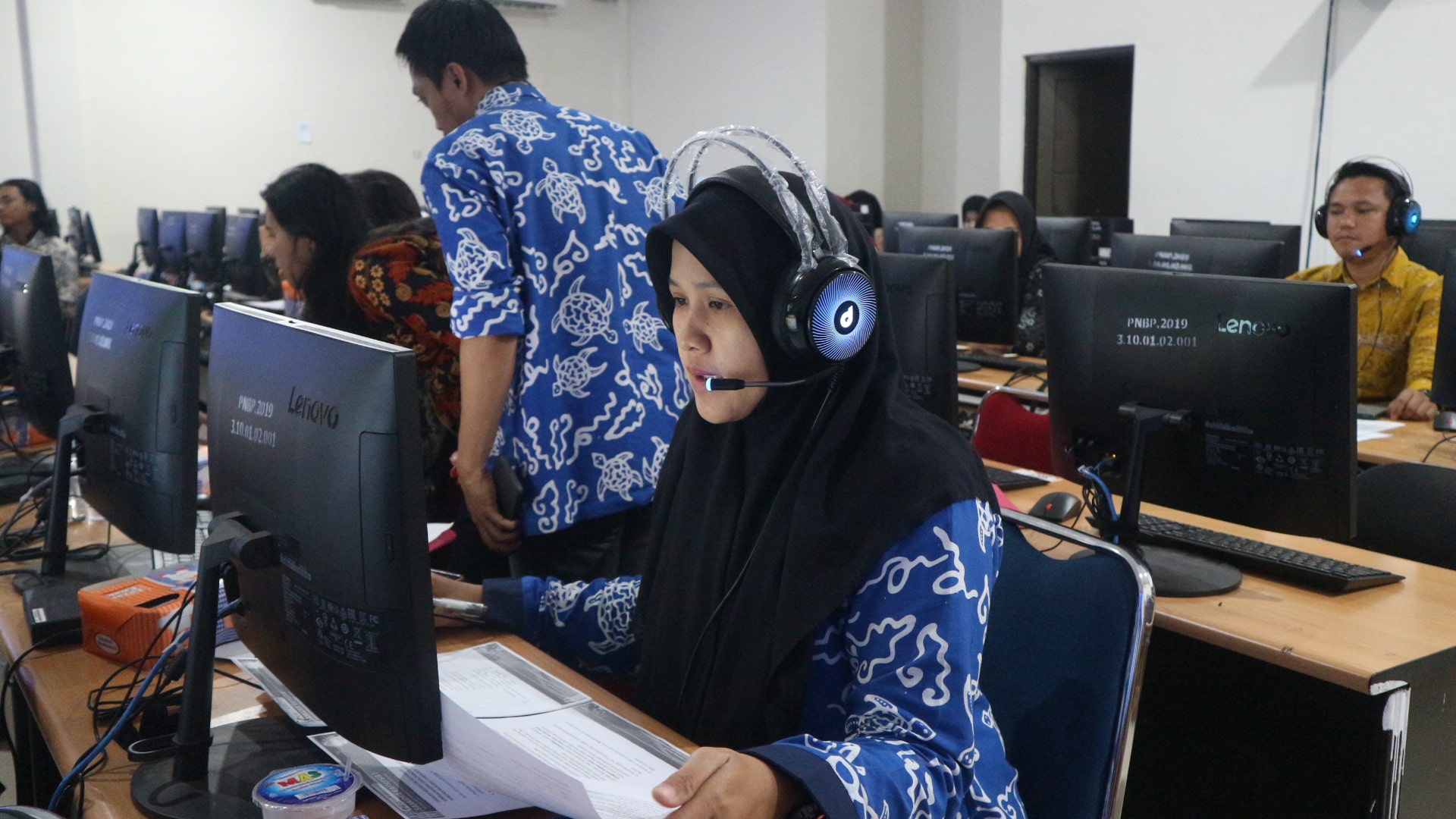
Moderator: Yenni Putri Sari, S.Pi., M.Sc.
Presentations in this room emphasized aquaculture technology and nutrition, including plankton dynamics, probiotic applications, feed management, biofloc systems, and growth monitoring of economically important fish and shrimp species.
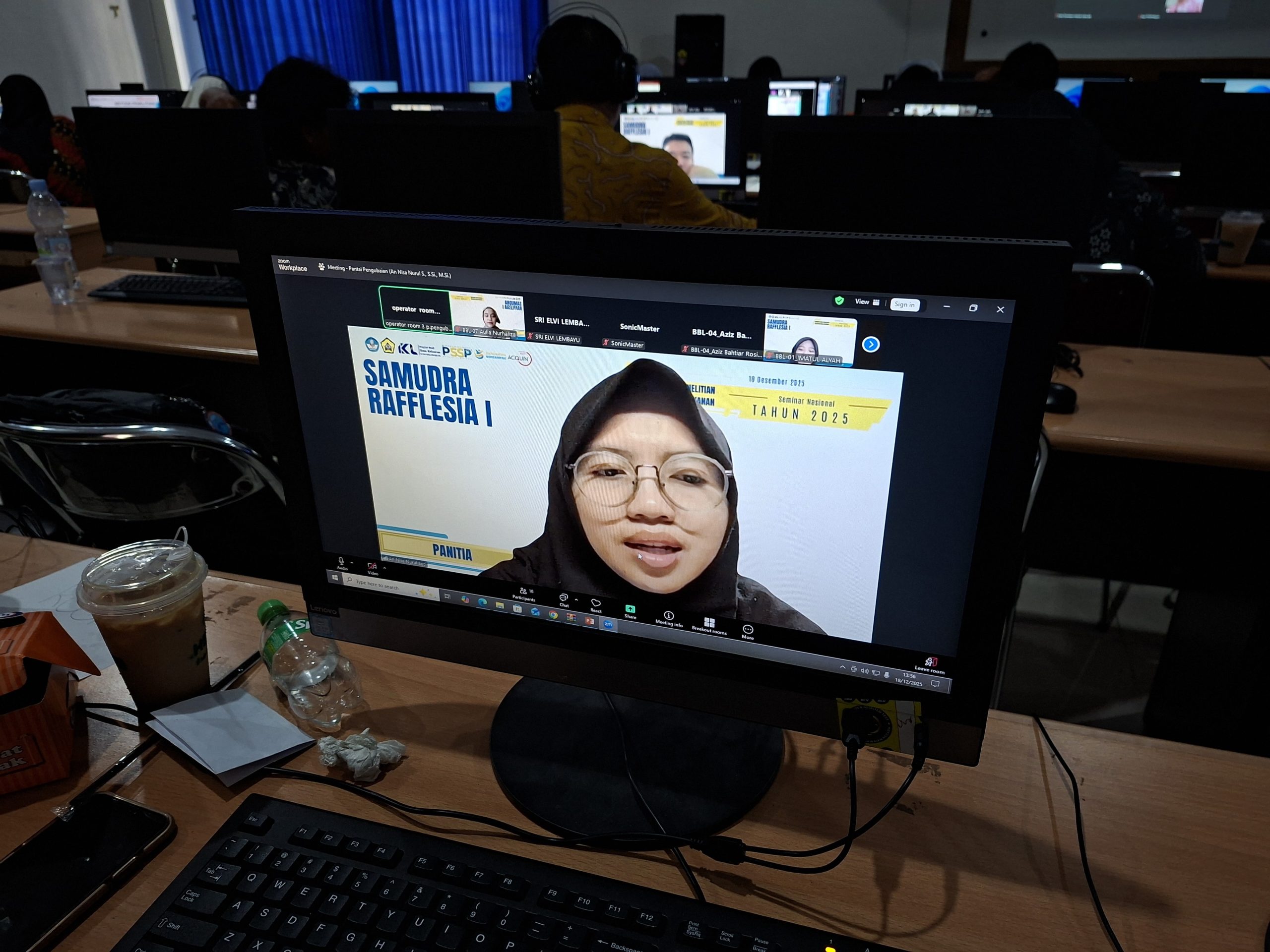
Room 3 – Pantai Pengubaian
Moderator: An Nisa Nurul Suci, S.Si., M.Sc.
This room covered marine biotechnology, bioactive compounds, and aquatic product safety, featuring studies on bioactive substances from marine organisms, microbiological contamination, food safety testing, molecular diagnostics, and applied laboratory techniques.
Room 4 – Pantai Pasir Putih
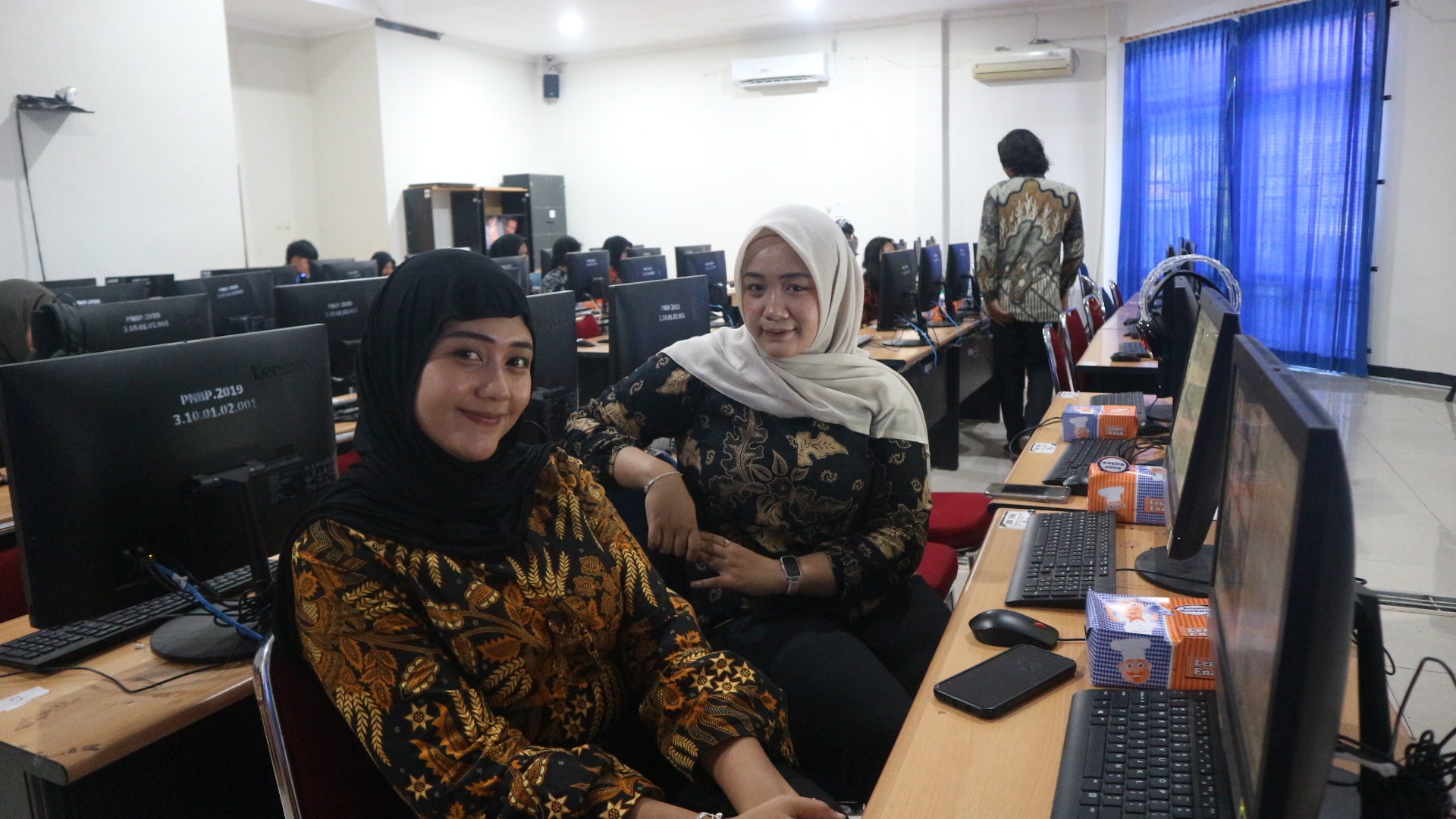
Moderator: Ari Anggoro, S.Pi., M.Si.
The scope of this room included fish processing technology and post-harvest handling, with discussions on product quality, preservation techniques, functional food development, food safety analysis, and proper handling practices of fishery products.
Room 5 – Pantai Nala
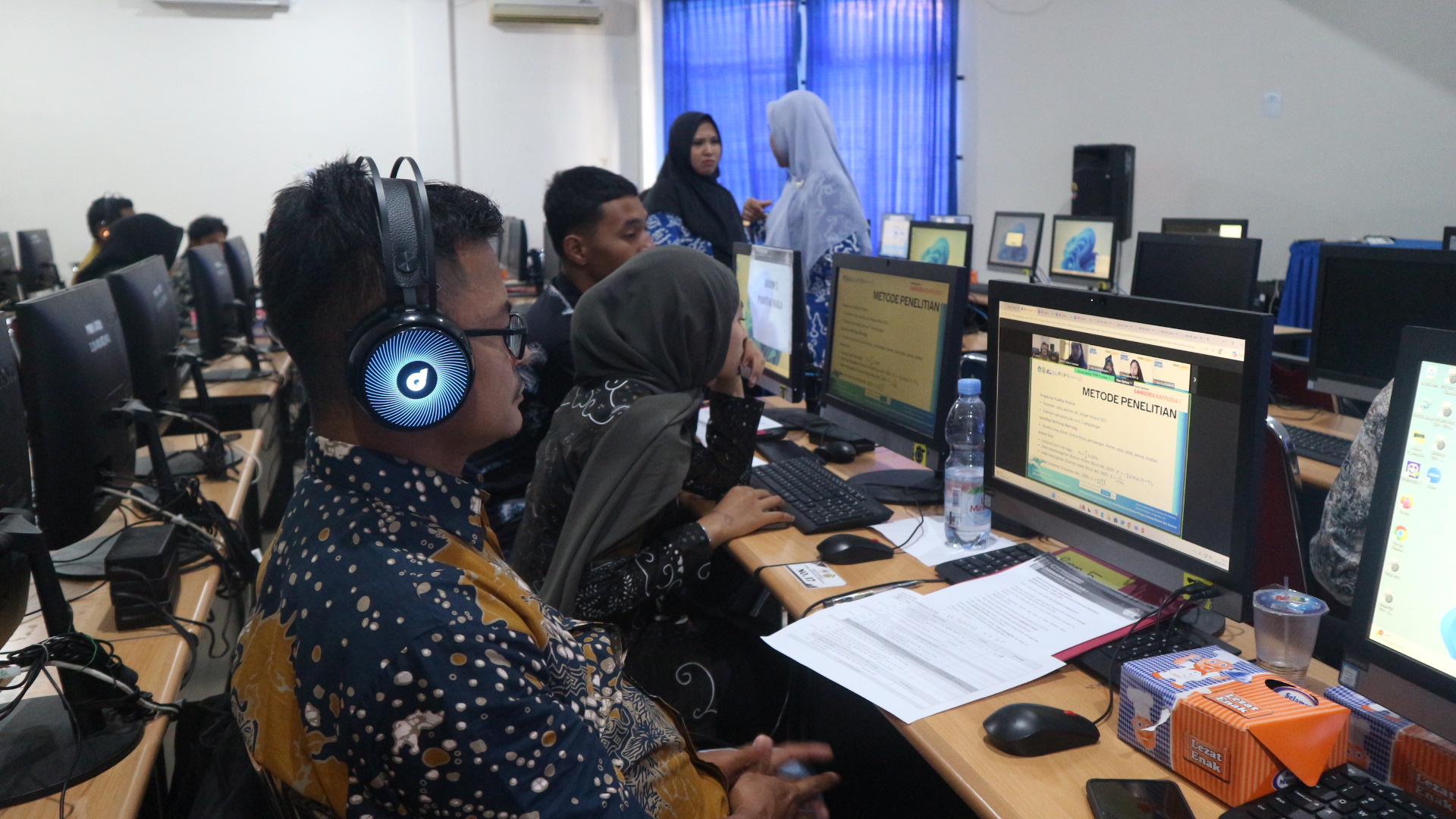
Moderator: Dr. Eko Nofridiansyah, S.Pi., M.Sc.
Presentations in this room addressed marine ecology and coastal ecosystems, including studies on mangroves, coral reefs, seagrass, macroalgae, marine biodiversity, environmental quality, and ecosystem-based resource assessment.
Room 6 – Pantai Linau
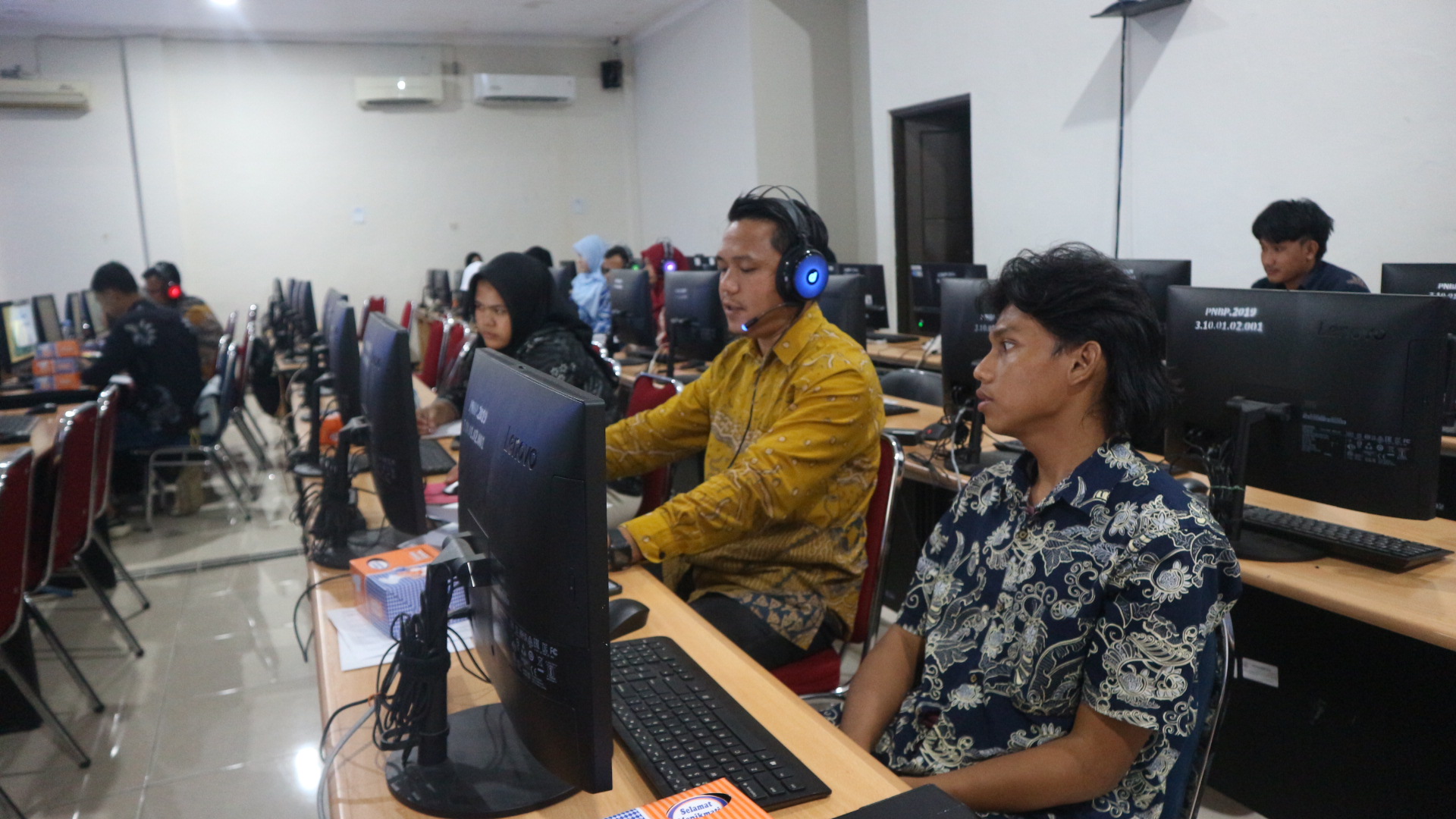
Moderator: Ayub Sugara, S.Kel., M.Si.
This room focused on coastal socio-economics, conservation, and applied oceanography, covering livelihood vulnerability of coastal communities, blue economy opportunities, mangrove and seagrass restoration, fisheries management, oceanographic dynamics, and geographic information systems (GIS).
Room 7 – Pantai Panjang
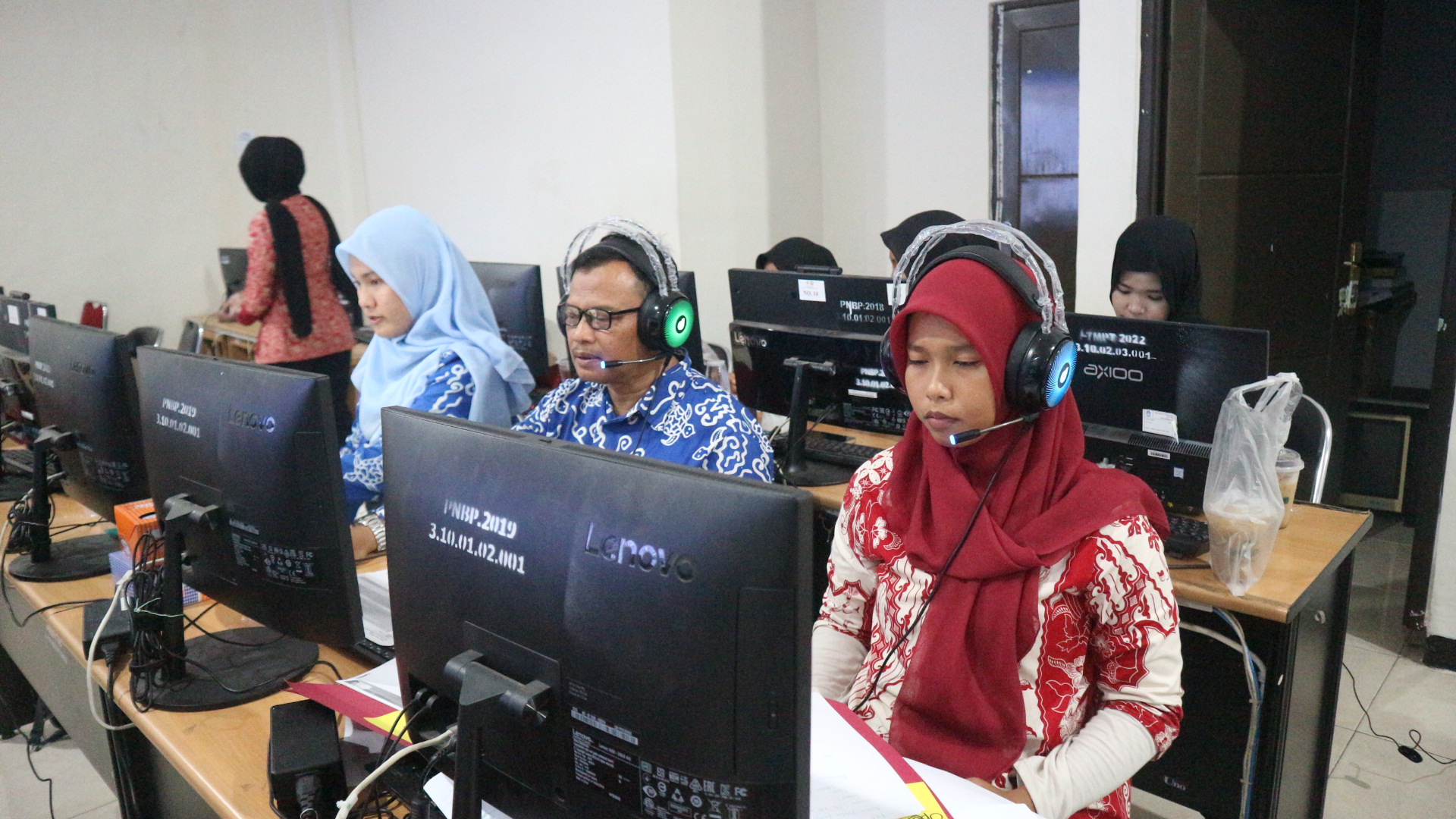
Moderator: Dr. Ir. Deddy Bakhtiar, S.Pi., M.Si.
The final room emphasized marine pollution, fisheries management, and fishing technology, featuring research on marine debris, heavy metal contamination, stock assessment, fishing gear performance, and sustainable fisheries development.
The parallel sessions were characterized by active scientific discussions and constructive feedback between presenters and participants. The diversity of topics and strong participation highlighted the multidisciplinary nature of marine and fisheries sciences and reinforced the role of Samudra Rafflesia I as an important forum for academic exchange and research dissemination.
Through the successful organization of these parallel sessions, the Marine Science and Fisheries Science Study Program of Universitas Bengkulu demonstrated its commitment to fostering research productivity, scientific communication, and collaboration in support of sustainable marine and fisheries development.


