University of Bengkulu Hosts Public Lecture and International Journal Workshop in Commemoration of Its 44th Anniversary
In commemoration of its 44th anniversary, the University of Bengkulu organized an international-scale event comprising a Public Lecture and an International Journal Workshop, held over two days on Thursday–Friday, April 23–24, 2026. This initiative reflects the university’s commitment to enhancing academic excellence, expanding international networks, and promoting high-quality scientific publications at the global level.
On the first day, Thursday (April 23, 2026), the activities took place in the Main Hall and discussion rooms of the Integrated Service Building (GLT) at the University of Bengkulu, from 09:30 to 12:00 WIB. The event was attended by university officials, faculty members, students, and invited guests from various higher education institutions across Bengkulu Province.
The Public Lecture featured an international keynote speaker, Kasem Soytong, President of the Association of Agricultural Technology in Southeast Asia and Director of the Research Institute of Modern Organic Agriculture. In his presentation, Professor Soytong emphasized the critical importance of advancing modern organic agriculture as a sustainable solution to global challenges, including climate change, land degradation, and the increasing demand for food security.
He further highlighted the strategic role of higher education institutions in generating research-based innovations that can be directly applied in the agricultural sector. According to him, cross-national collaboration within Southeast Asia is essential to accelerating the transfer of knowledge and technology in modern agricultural systems.
Subsequently, the International Journal Workshop session was delivered by Jiaojiao Song, a lecturer from King Mongkut’s Institute of Technology Ladkrabang, Prince of Chumphon Campus, Thailand. In this session, Dr. Song provided intensive training on strategies for writing high-quality scientific articles with strong potential for publication in reputable international journals.
The materials covered included structuring scientific manuscripts, selecting appropriate journals, navigating the peer-review process, and strategies for increasing publication success in Scopus-indexed journals. Participants demonstrated strong engagement throughout the workshop, reflecting the growing importance of scientific publication as a key indicator of academic performance and contribution to knowledge advancement.
The first day concluded successfully with dynamic and interactive discussions between speakers and participants, illustrating the high level of enthusiasm among the academic community of the University of Bengkulu in enhancing research quality and scientific output.
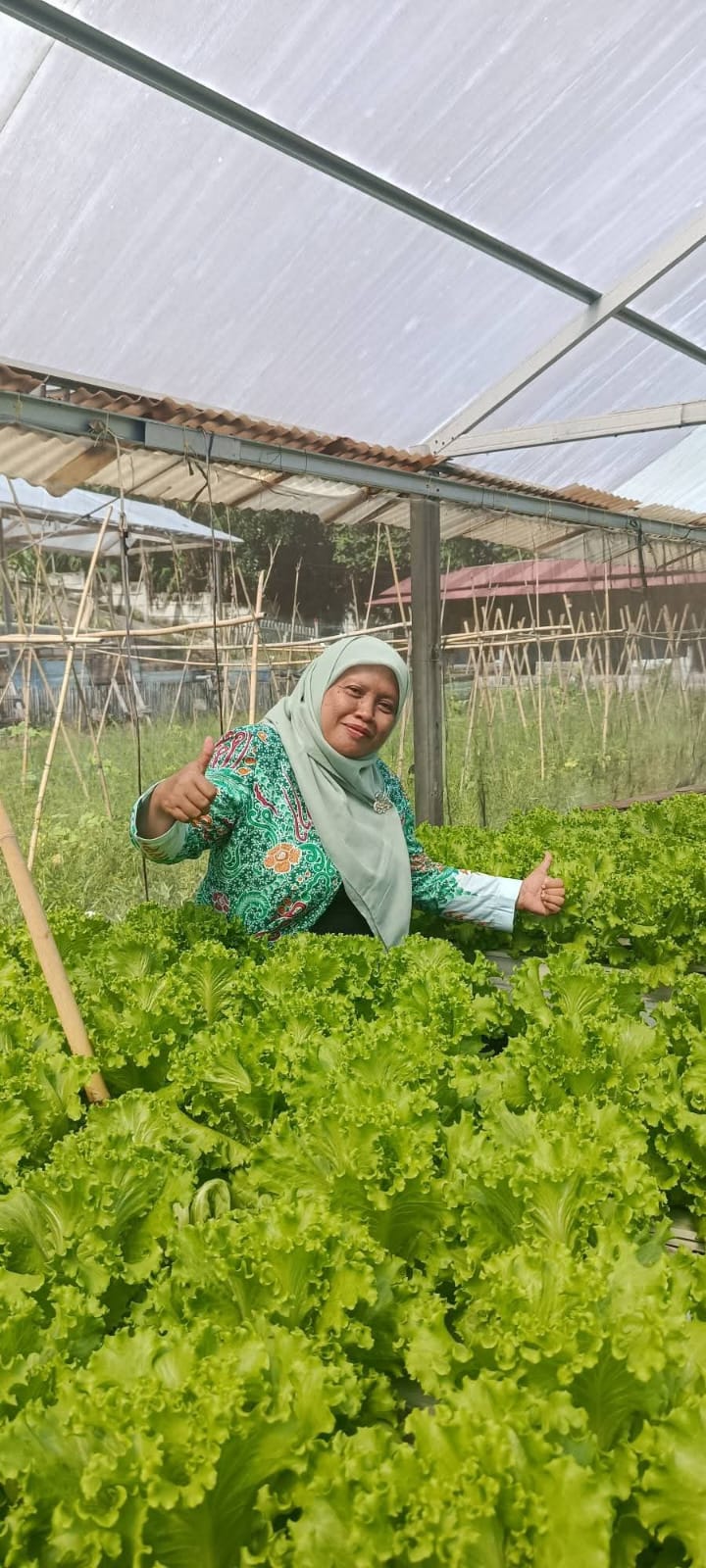
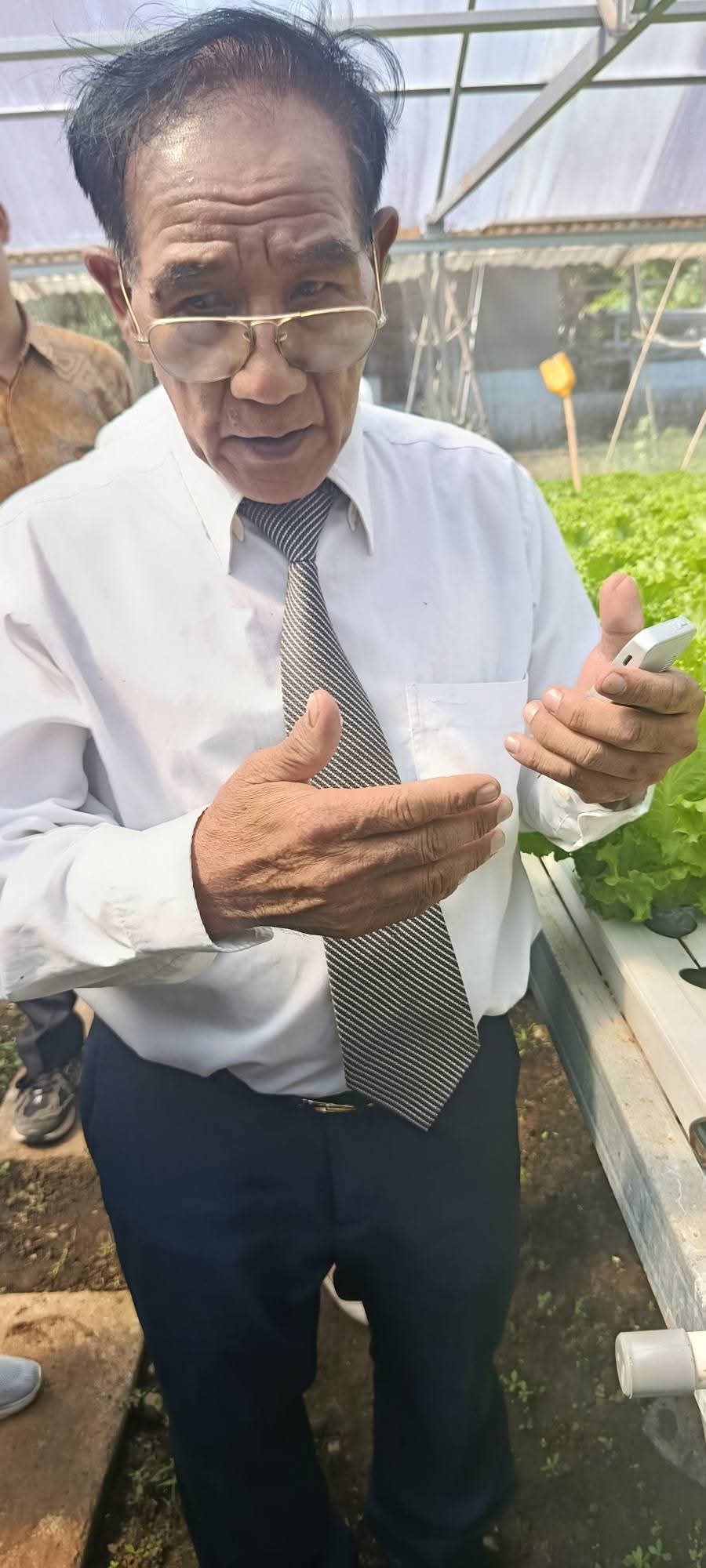
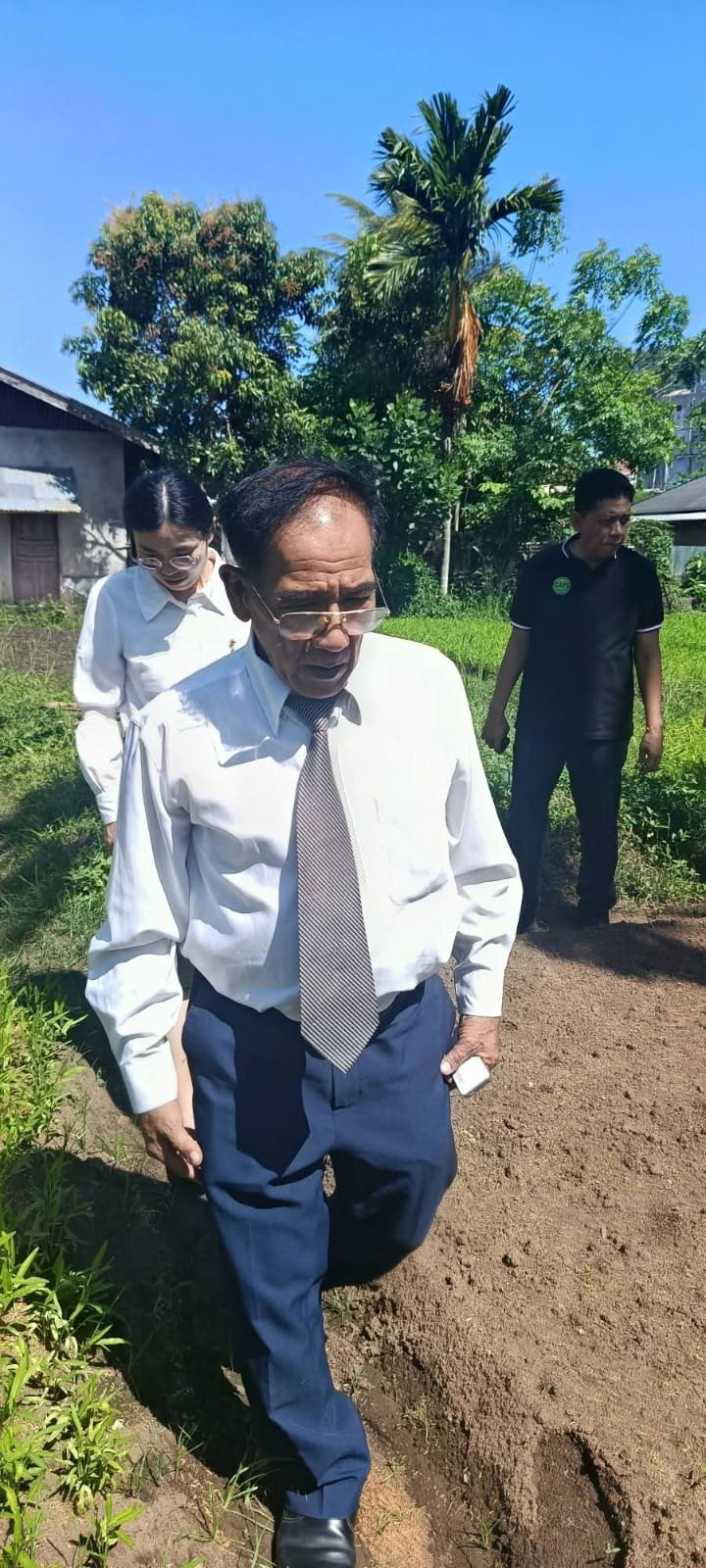
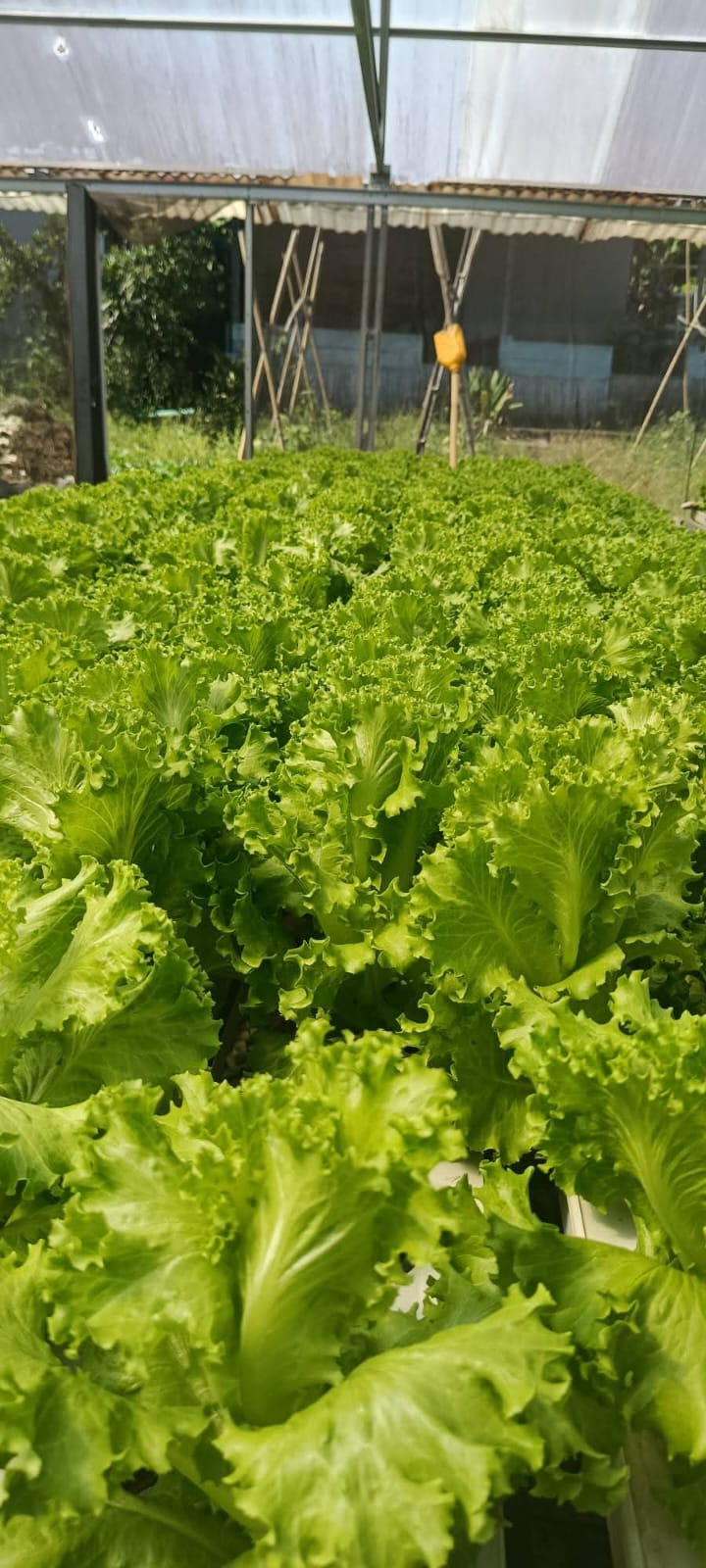
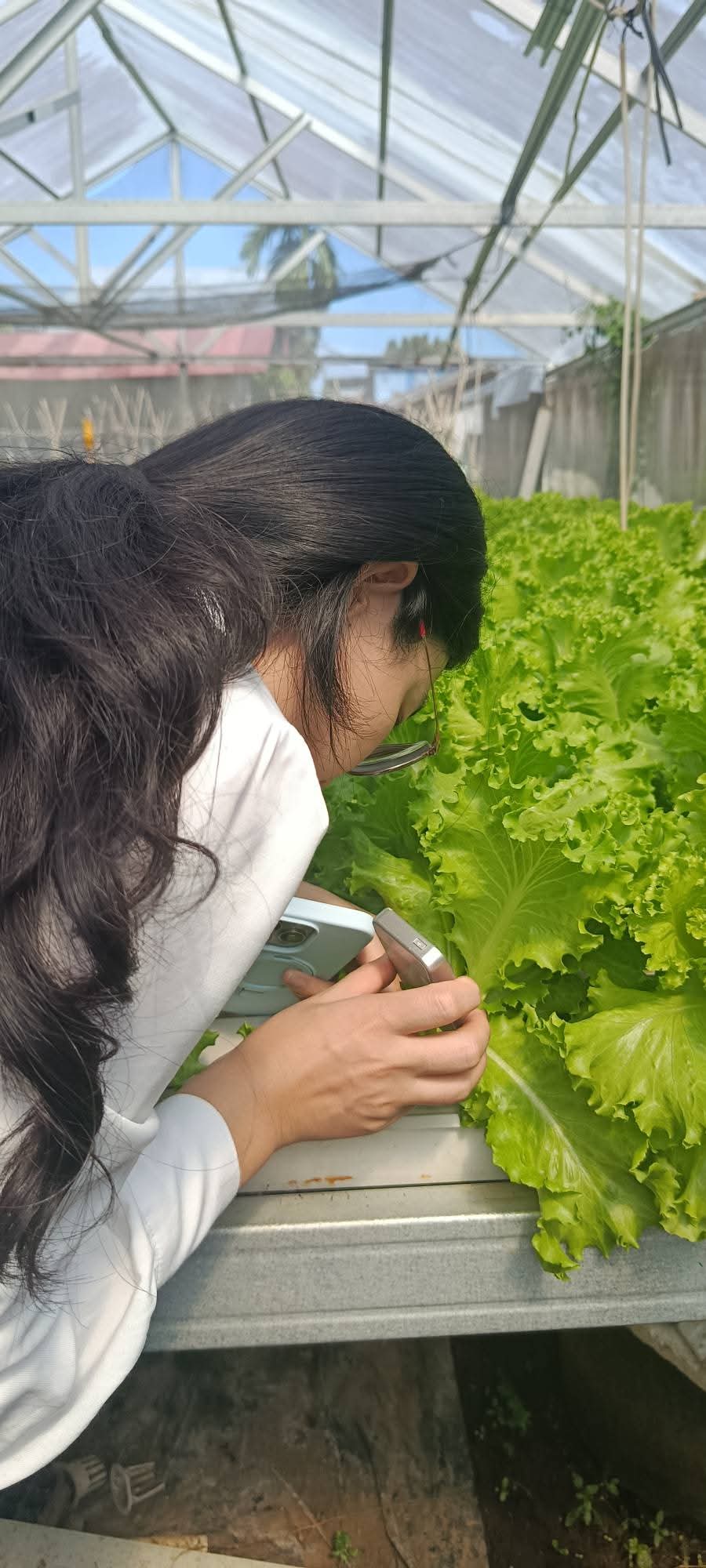
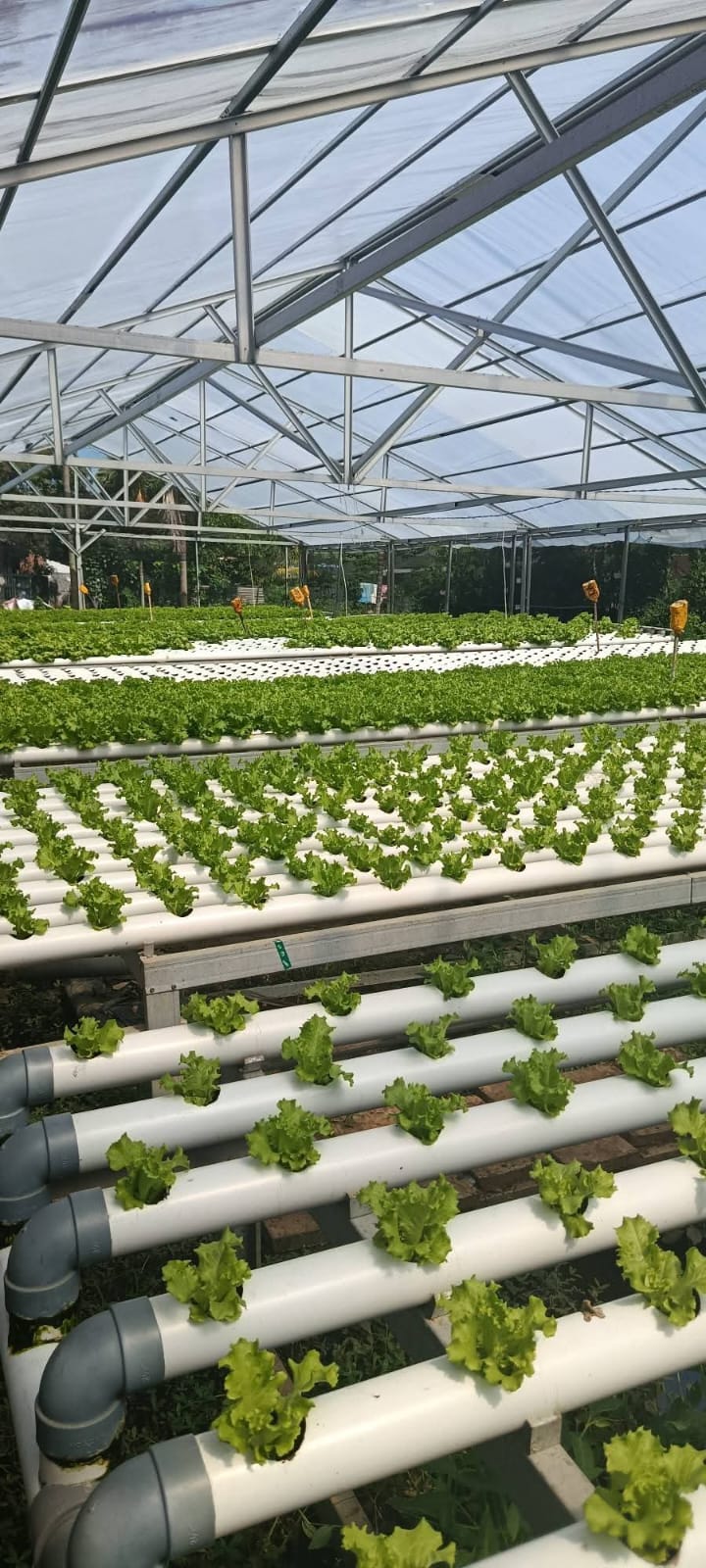
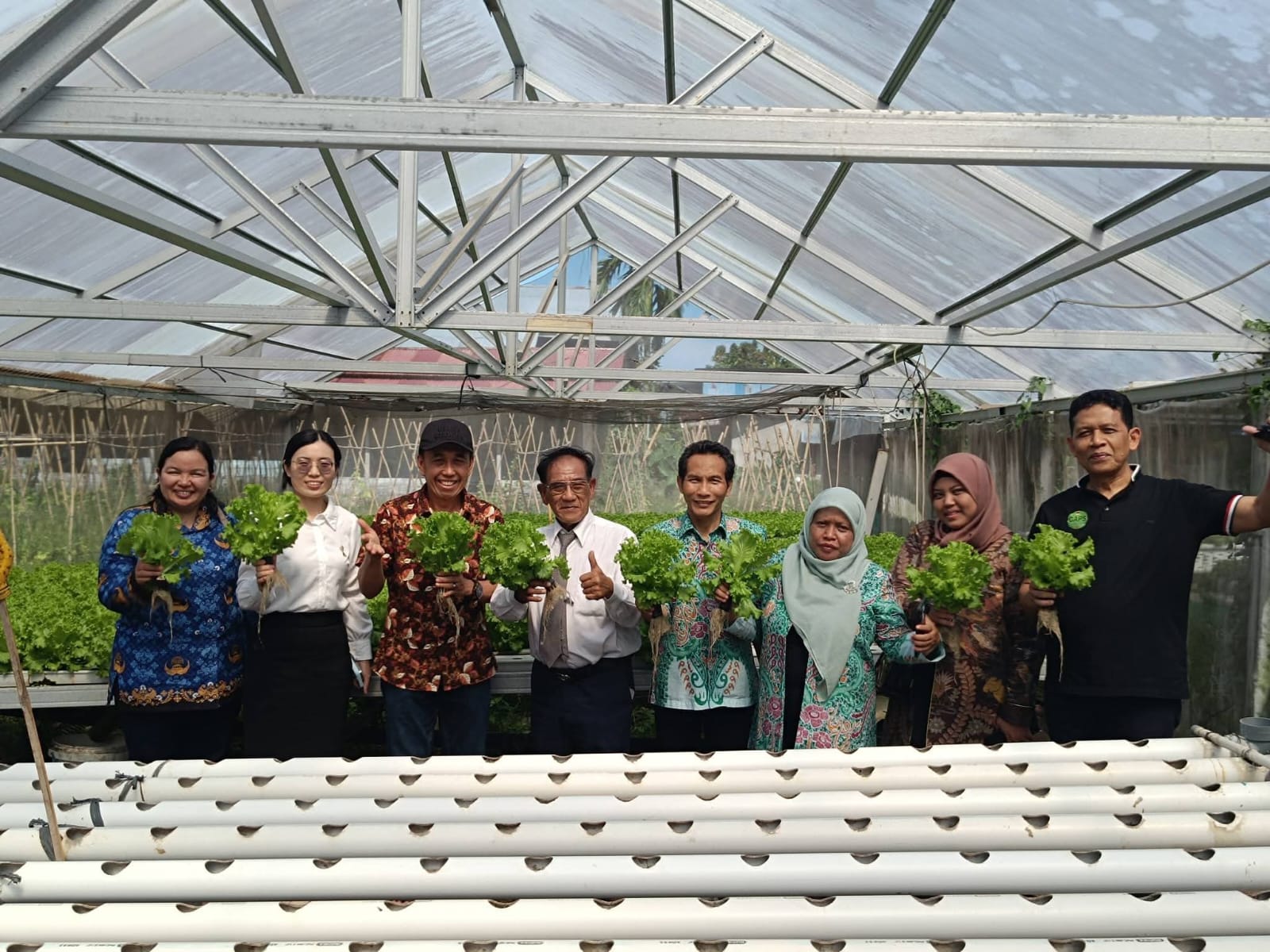
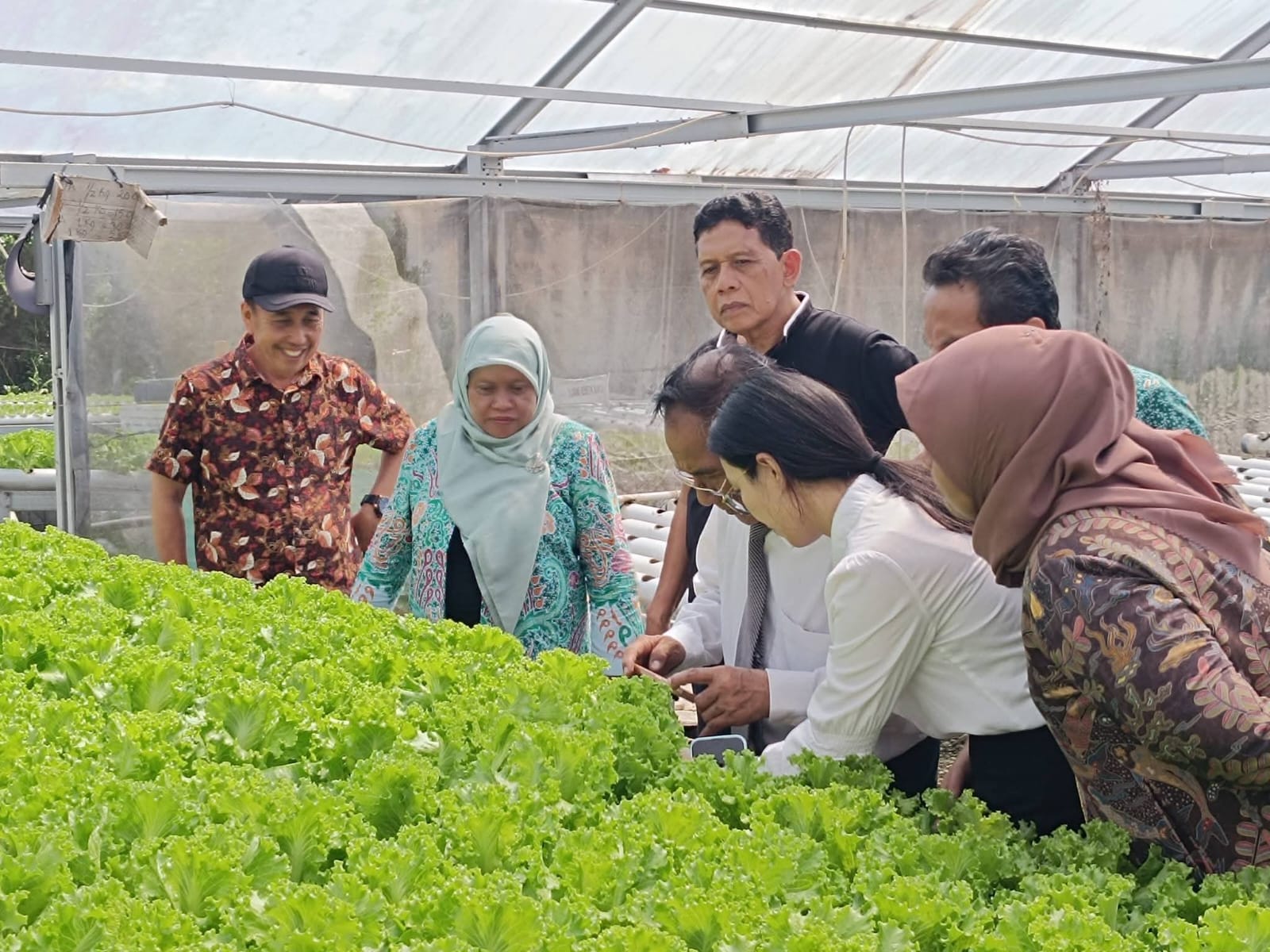
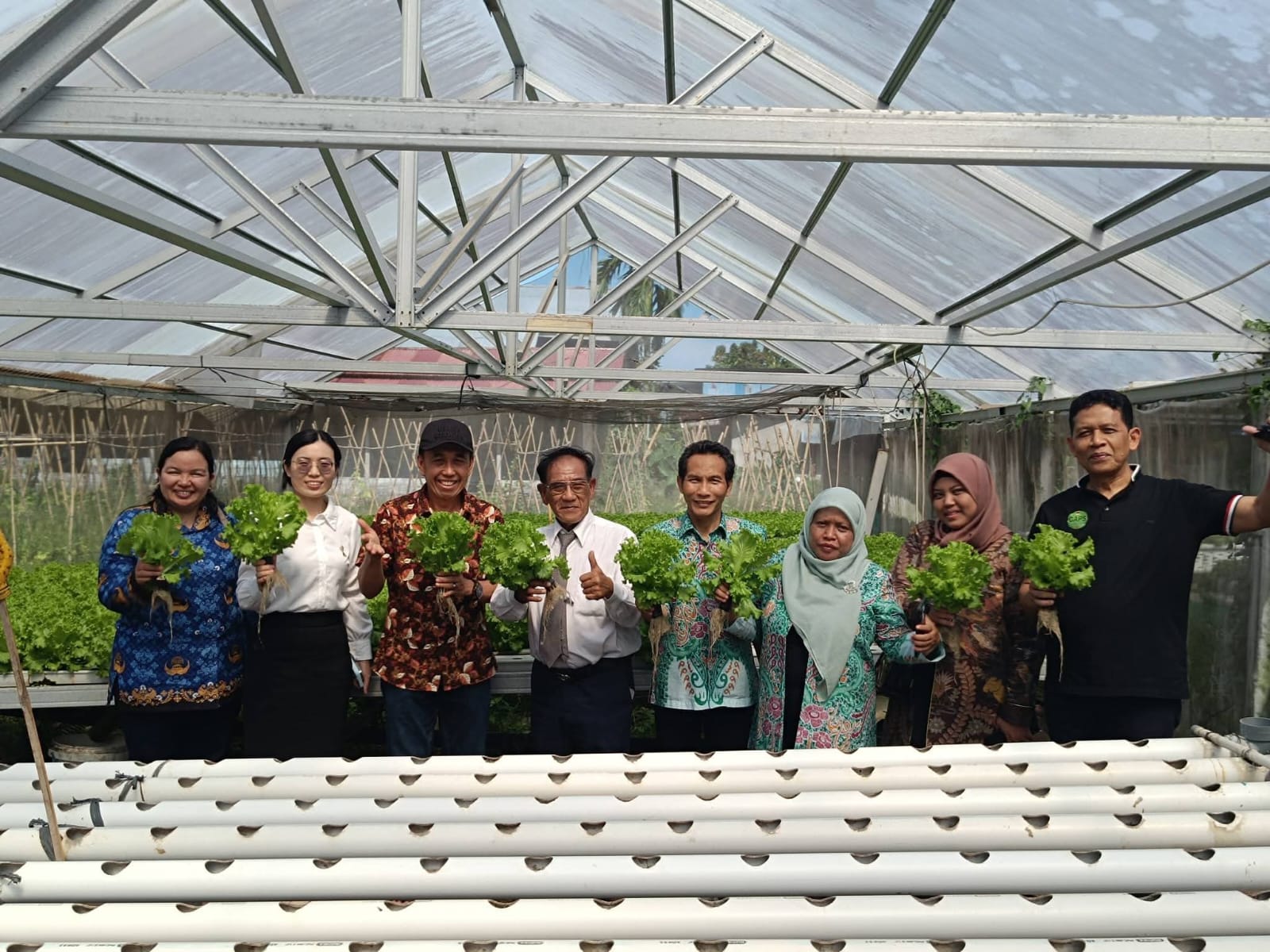
On the second day, Friday (April 24, 2026), the program continued with a field visit to the University of Bengkulu’s Organic Experimental Station located in Air Duku, Selupu Rejang, Rejang Lebong Regency, Bengkulu. This full-day activity was attended by Professor Kasem Soytong, Dr. Jiaojiao Song, and several lecturers and researchers from the Faculty of Agriculture.
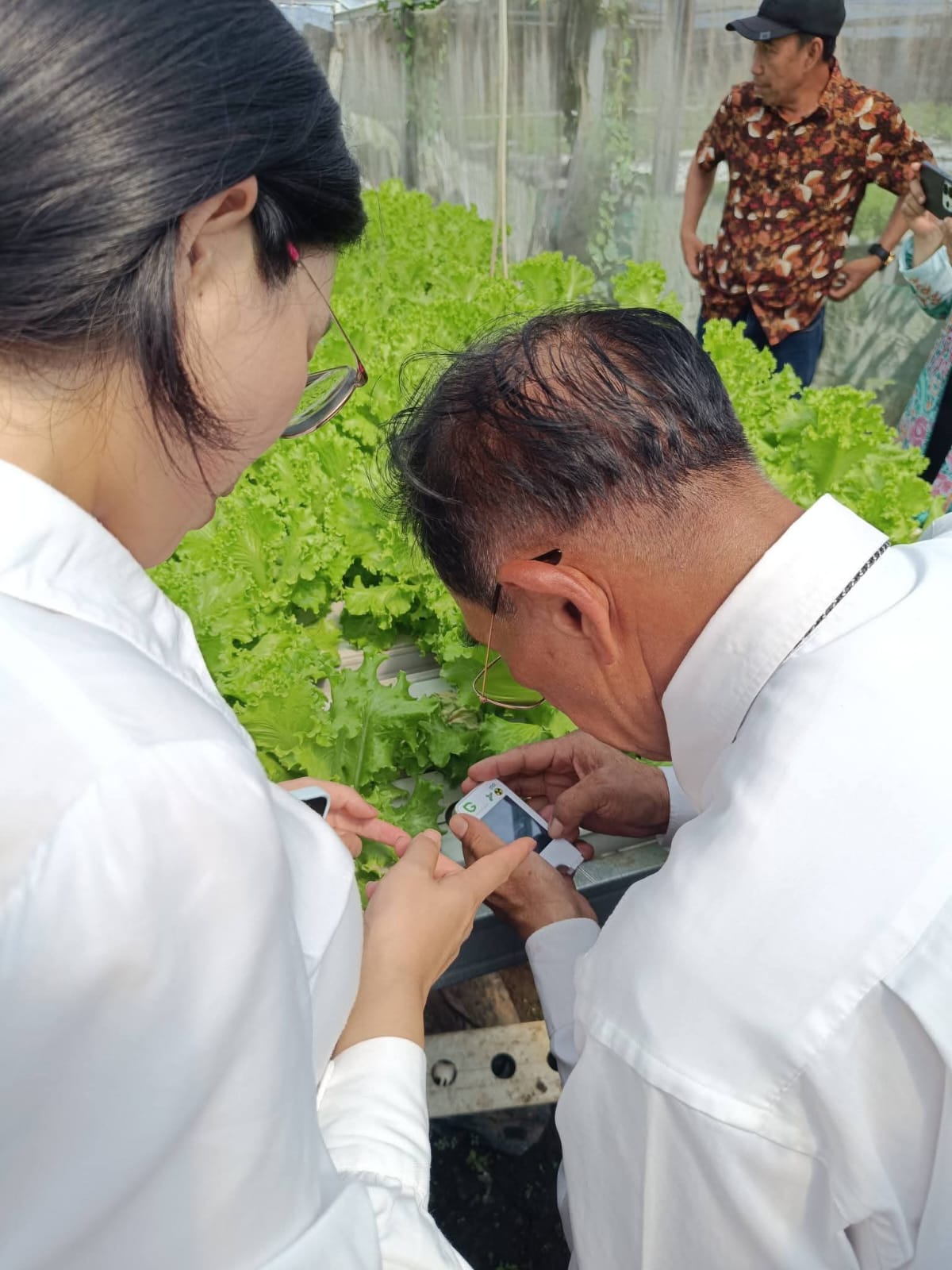
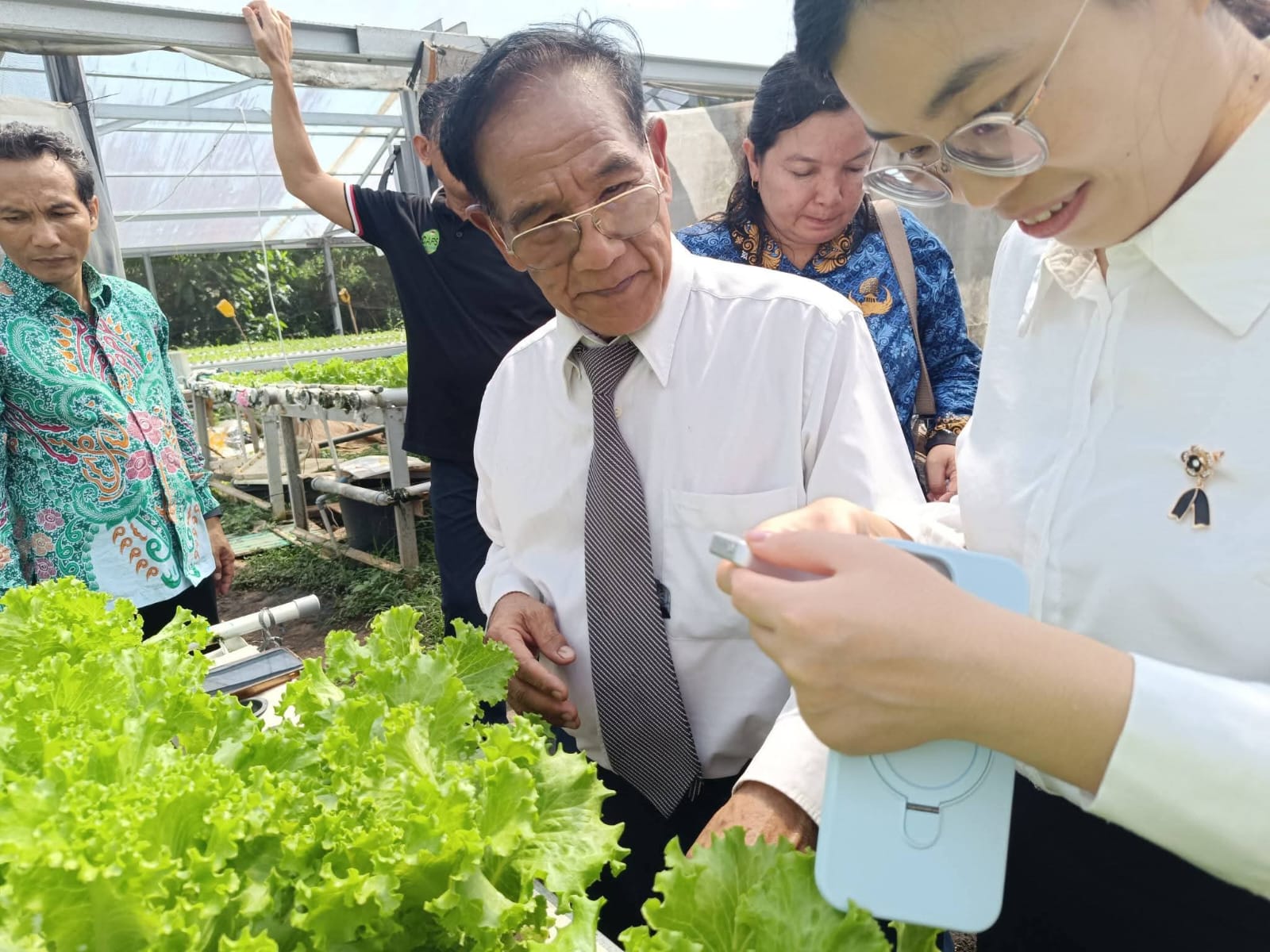
The field visit aimed to facilitate direct observation and chemical analysis of organic crops cultivated at the experimental station. During this activity, the international experts provided valuable insights into organic farming techniques, land management practices, and analytical methods for assessing the quality of organic agricultural products.
Professor Soytong expressed his appreciation for the University of Bengkulu’s efforts in developing the organic experimental station as a field laboratory that supports education, research, and community service. He emphasized that chemical analysis of organic agricultural products is a crucial step in ensuring product quality and food safety.
Meanwhile, Dr. Jiaojiao Song recognized the significant potential of the experimental station as a source of research data that can be developed into internationally publishable scientific outputs. She encouraged faculty members and researchers to utilize field-based findings as the foundation for scholarly articles with strong novelty and substantial scientific contributions.
The field trip was conducted smoothly and provided valuable hands-on experience for participants. In addition to reinforcing theoretical understanding acquired during the first day, the activity also opened opportunities for international research collaboration in the field of organic agriculture.
Overall, the series of activities, including the Public Lecture, International Journal Workshop, and field trip, served as a significant milestone for the University of Bengkulu in strengthening its role as a globally competitive higher education institution. Through this initiative, it is expected that stronger international partnerships will be established, alongside improvements in the quality of research and scientific publications within the Faculty of Agriculture.
Furthermore, this event reflects the university’s commitment to promoting sustainable agriculture grounded in innovation and scientific knowledge, in alignment with its vision of becoming a center of excellence in education and research at both national and international levels.