HIMA Sylva PCSI FP UNIB–Led Environmental Stewardship Initiative: Advancing a Plastic-Free and Sustainable Campus at Universitas Bengkulu through the Gemilang Movement
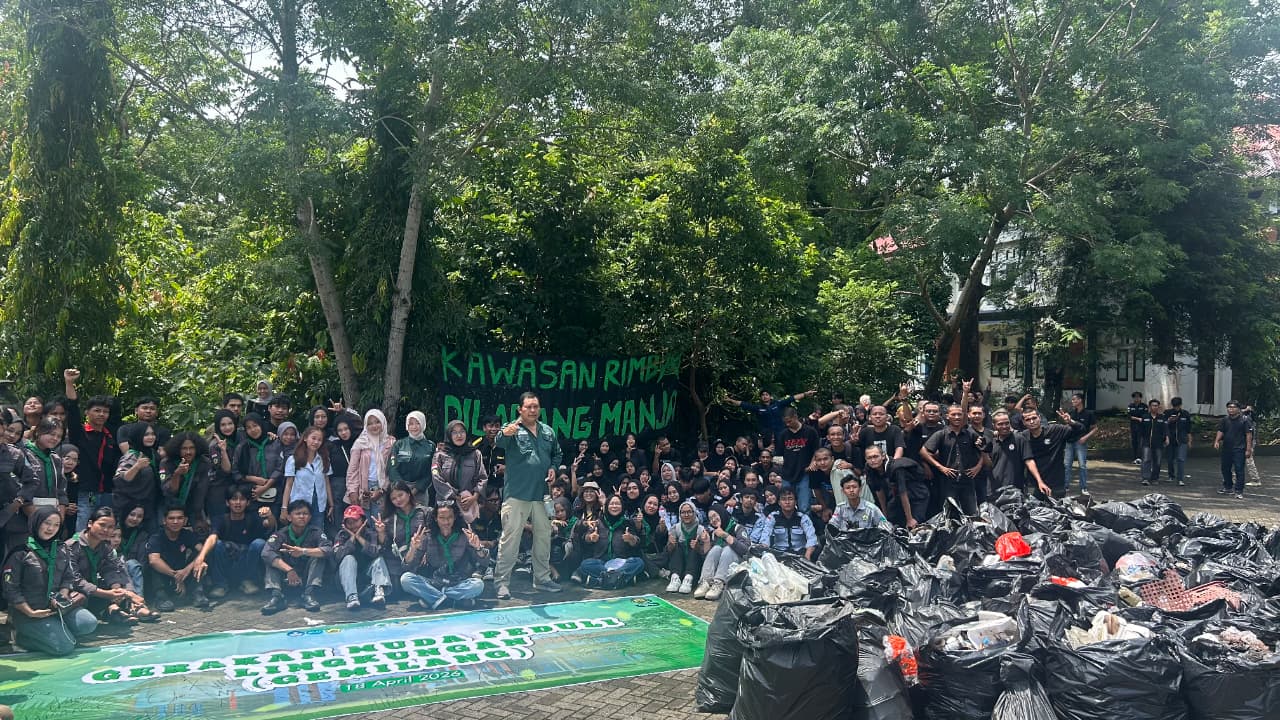
Heightened environmental awareness among university students continues to gain momentum, as reflected in a collaborative initiative entitled Gemilang (Gerakan Muda Peduli Lingkungan / Youth Environmental Stewardship Movement), organized by students of Universitas Bengkulu on Saturday, April 18, 2026.
This initiative represents a tangible manifestation of youth engagement in addressing the increasingly palpable impacts of climate change. Moving beyond symbolic action, the program operationalizes environmental responsibility through direct intervention in one of the most pressing issues within campus ecosystems—plastic waste management.
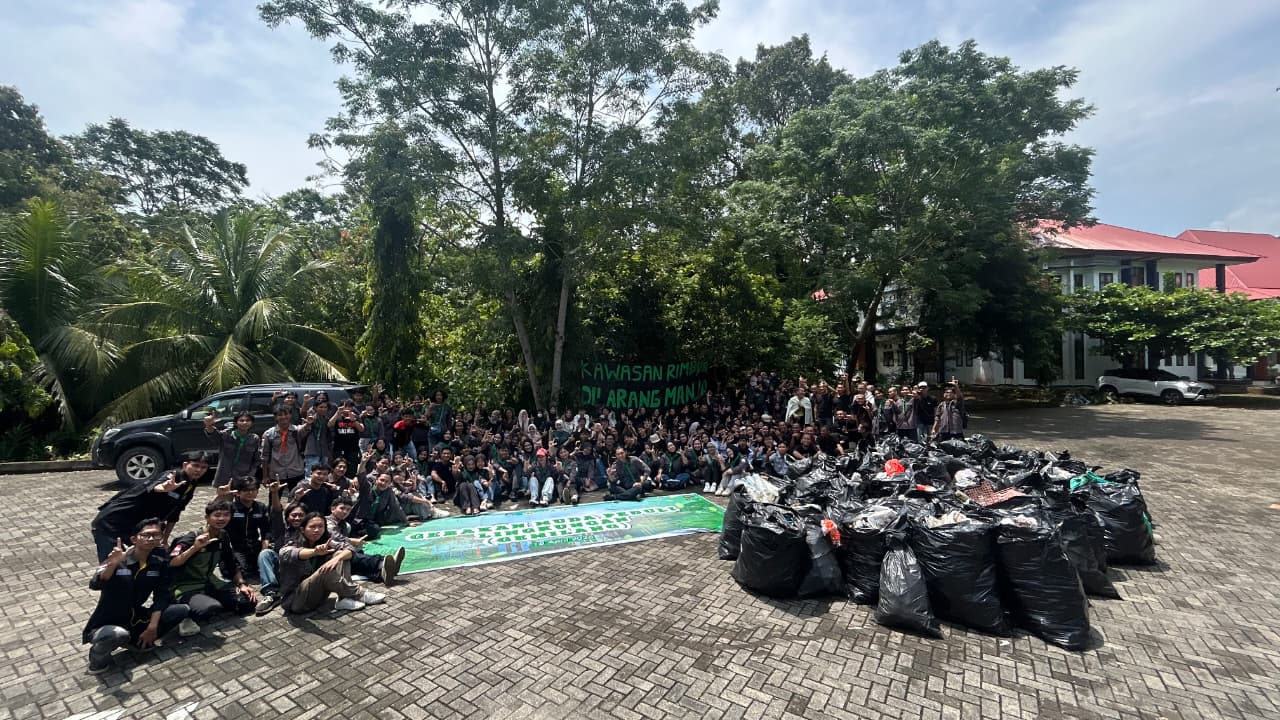
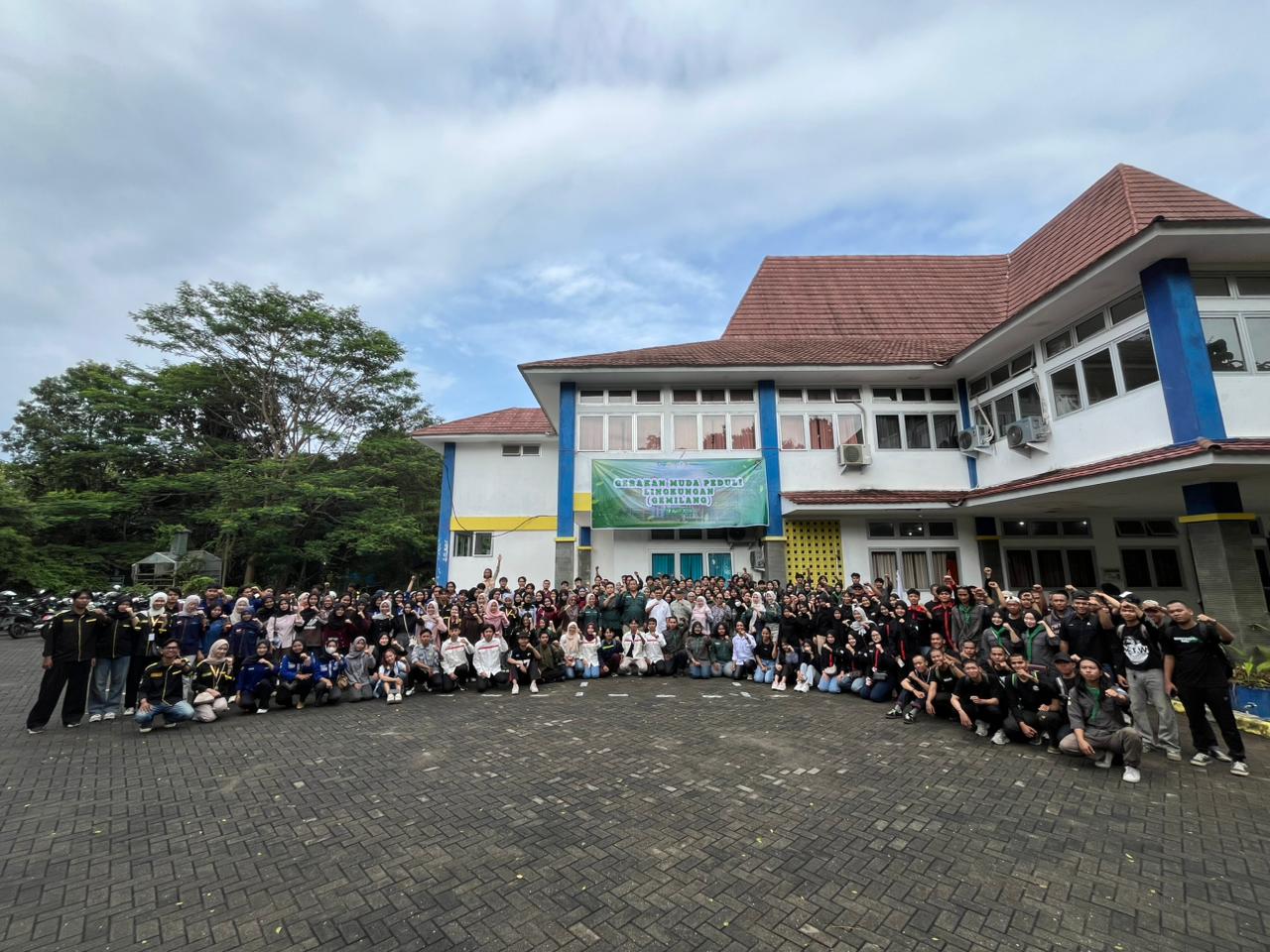
The Gemilang movement was initiated by the Hima Sylva PCSI Student Association and mobilized participation from 19 student associations (Himpunan Mahasiswa) and student organizations (Ormawa) across multiple faculties. Under the theme “Unib Clean: Toward a Plastic-Free Campus,” the initiative was designed not merely as a ceremonial activity, but as a strategic and action-oriented effort to foster a clean, healthy, and sustainable campus environment.
The program was officially inaugurated by the Vice Rector for Student Affairs, Alumni, and Cooperation, Prof. Agustin Zarkani, who, in his opening remarks, underscored the critical role of student-led initiatives in advancing the institution’s commitments to environmental sustainability. The event was further attended by the Dean of the Faculty of Agriculture, Prof Suharyanto, the Vice Dean III of the Faculty of Agriculture, Dr Hesti Pujiwati, the Head of the Forestry Department, as well as faculty members, all of whom expressed strong institutional support for the initiative.
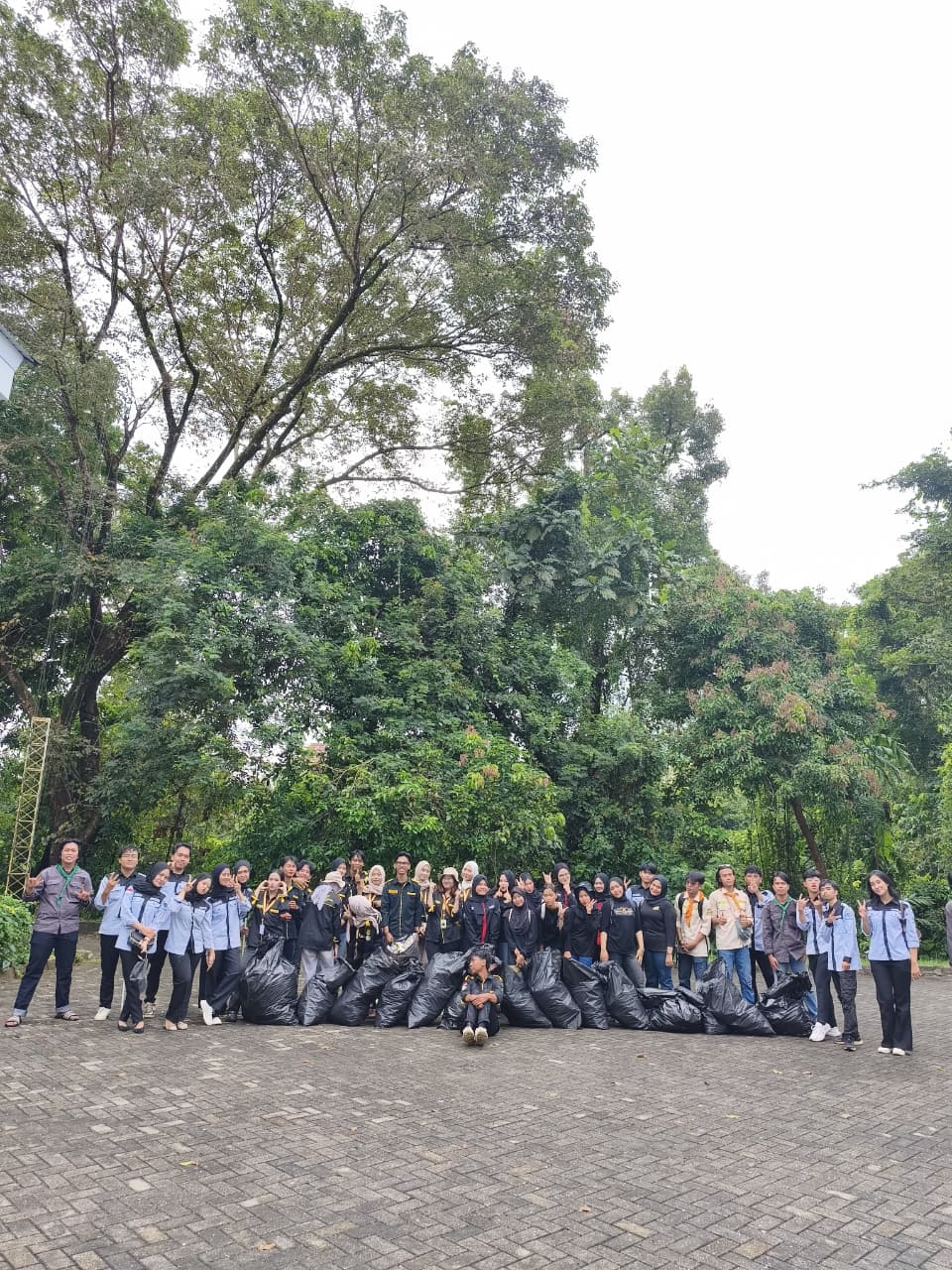
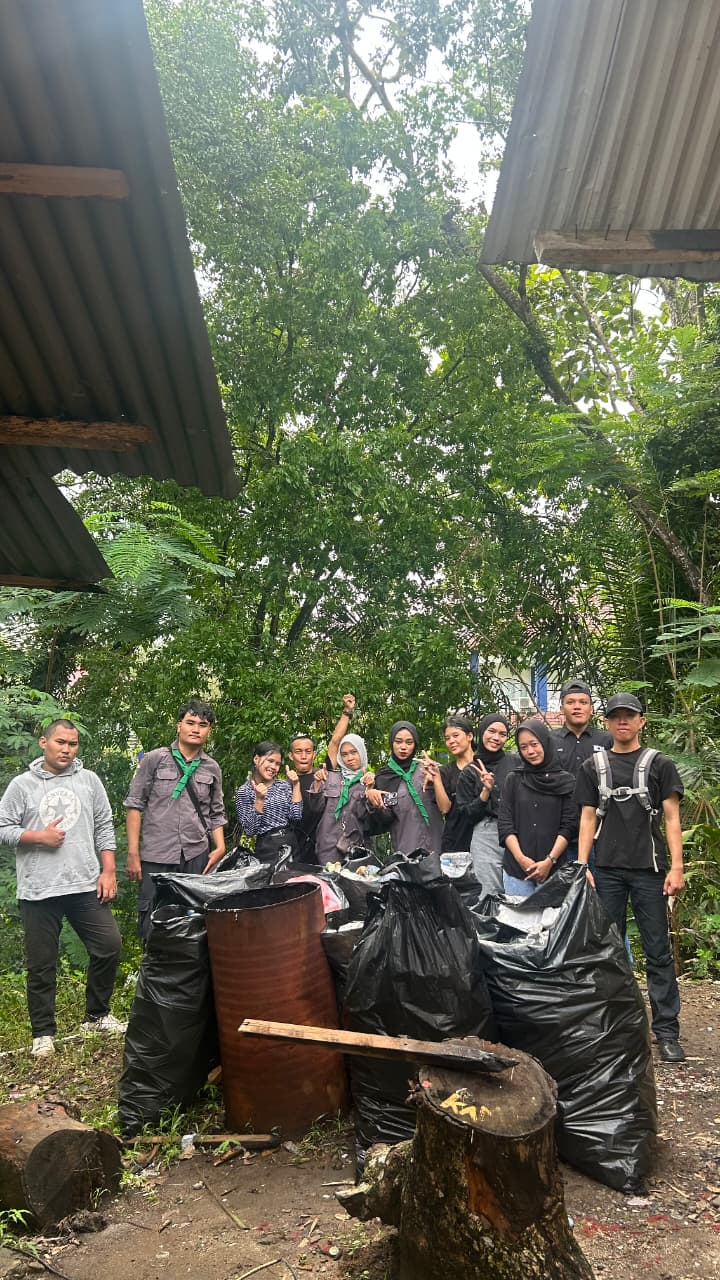
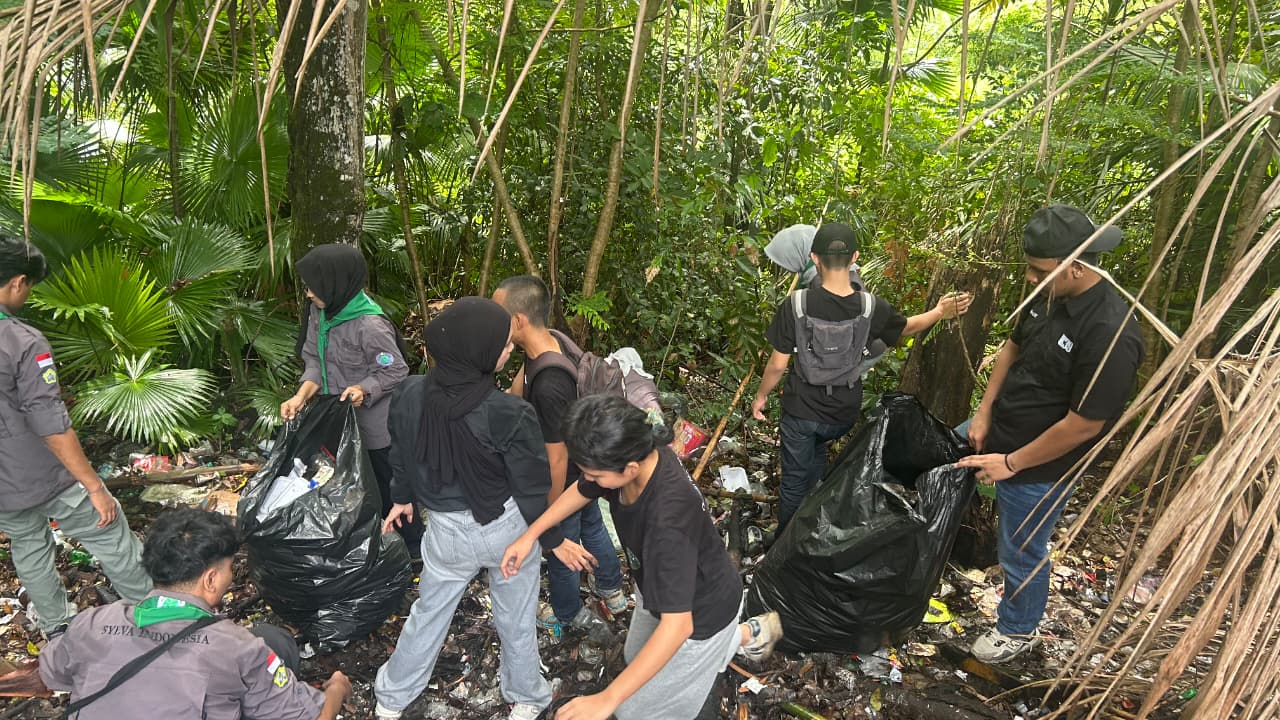
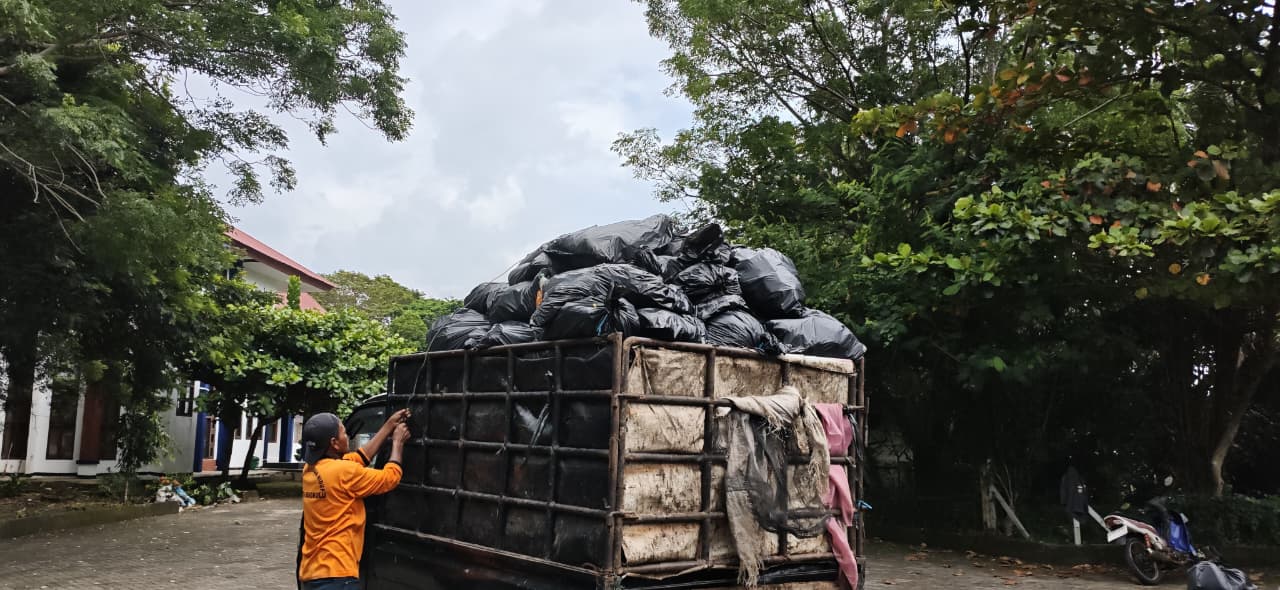
From the early hours of the morning, hundreds of students actively participated in the program’s activities. Participants were systematically organized into multiple working groups tasked with surveying and cleaning designated areas across the campus. The intervention extended beyond primary zones to include frequently neglected spaces, such as garden peripheries, drainage systems, and parking areas, thereby ensuring a comprehensive spatial coverage.
According to the Chair of HIMA Sylva PCSI Unib, Adi Juniardan, the Gemilang initiative was meticulously designed through a structured spatial mapping approach. The operational framework identified one primary node and 21 sub-nodes as focal points for intervention.
He further emphasized that this spatially distributed strategy was intended to maximize the program’s ecological impact. “By systematically covering multiple points across the campus, we aim to ensure that no area is overlooked, thereby fostering an inclusive and sustained culture of environmental stewardship,” he stated.
Through this initiative, students of Universitas Bengkulu not only demonstrate a heightened ecological consciousness but also exemplify cross-organizational collaboration as a critical driver for transformative change toward a greener and more sustainable campus.