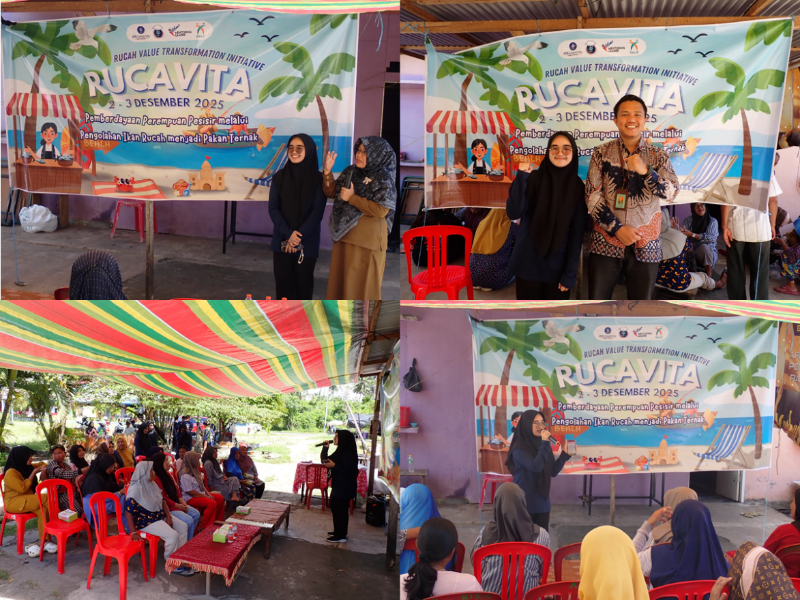
UNIB Marine Science Lecturer Supports Social Project RUCAVITA: An Initiative by IT IQRA High School Students to Empower Coastal Women
Bengkulu — December 2–3, 2025. An inspiring moment emerged from the coast of Bengkulu. Salsabila Amalia, a student at IQRA IT High School in Bengkulu, successfully passed the Future Agile Leader Program (FALP) at IPB University. The Future Agile Leader Program (FALP) is an event held under the auspices of the IPB Alumni Association. This program aims to improve the capacity and quality of participants, particularly in leadership.
On this occasion, Salsabila Amalia implemented a social project titled RUCAVITA: An Initiative to Empower Coastal Women in Utilizing Trash Fish for Inclusive Economic Independence from a GEDSI Perspective. This program was designed as a form of youth contribution to strengthening the economy of coastal communities, particularly women’s groups.
This two-day event received support from academics, local governments, and technical practitioners in the maritime and industrial sectors. One of the figures present was Ayub Sugara, S.Kel., M.Si, a lecturer in the Marine Science Study Program, Faculty of Agriculture, University of Bengkulu.
Mengubah Ikan Rucah Menjadi Peluang Ekonomi
Rucah fish—often considered of little value—are at the center of innovation in this project. Salsabila encourages coastal women to rethink the potential of this commodity, not as waste, but as a valuable raw material when properly processed.
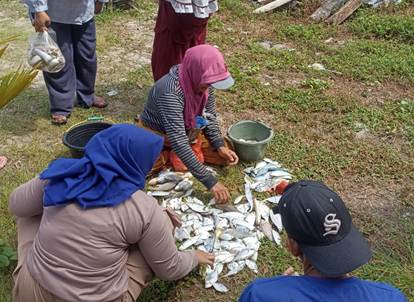
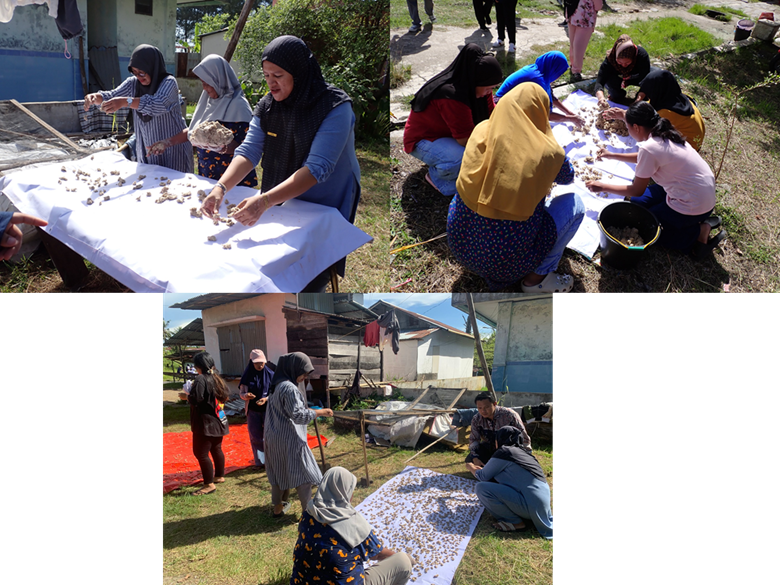
On the first day, Salsabila Amalia provided intensive training to 15 coastal women on how to process trash fish into high-quality fish feed. The training included not only theory but also hands-on practice, including material selection, grinding techniques, mixing, and drying. The training aimed to improve the community’s knowledge and skills in processing low-value raw materials into products with higher sales value
The training was also strengthened by the presence of:
Mrs. Yuyun Erwina, S.Pi., M.Si., Acting Head of the Aquaculture and Fisheries Product Processing and Marketing Division of the Bengkulu Province Marine Affairs and Fisheries Service
Ayub Sugara, S.Kel., M.Si., an academic from the Marine Science Study Program, University of Bengkulu
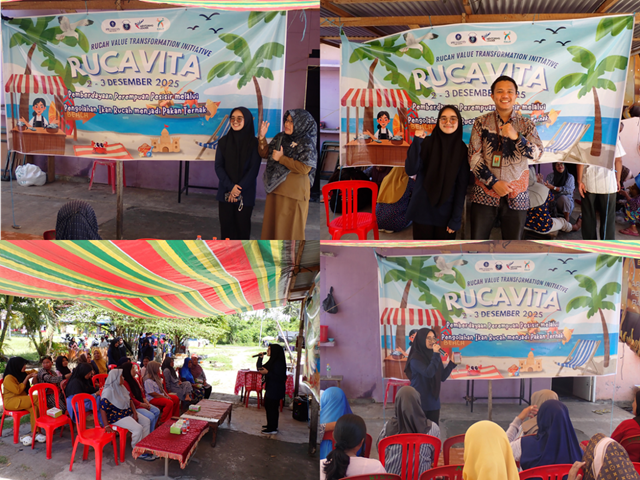
Both provided insights into raw material quality, feed safety standards, and an overview of the fish feed market in Bengkulu. This collaboration furthered the participants’ understanding that small innovations can open doors to larger economic opportunities.
Material Mixing Process
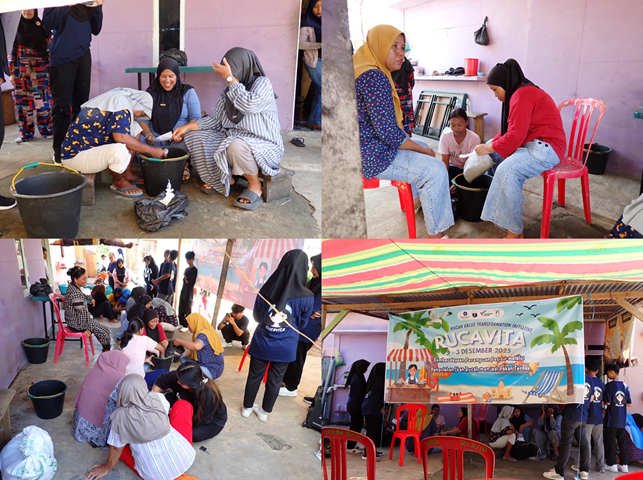
Drying Process
Day Two: Connecting Products to Markets
While the first day focused on production, the second day focused on strengthening economic value. Salsabila presented speakers from agencies directly involved in developing MSMEs and strengthening local industries.
The second day’s event was attended by:
Mr. Meri Cahyadi, SE, Secretary of the Bengkulu Province Department of Industry and Trade
Muhammad Zailani, SE, Head of the Asset Planning, Utilization, and Maintenance Team, General Bureau, Bengkulu Province Regional Secretariat
and continued mentoring by Ayub Sugara, S.Kel., M.Si.
In his presentation, the Secretary of the Department of Industry and Trade emphasized the importance of standardization, legality, branding strategies, and marketing access so that trash fish-based animal feed products can sustainably penetrate the MSME ecosystem.
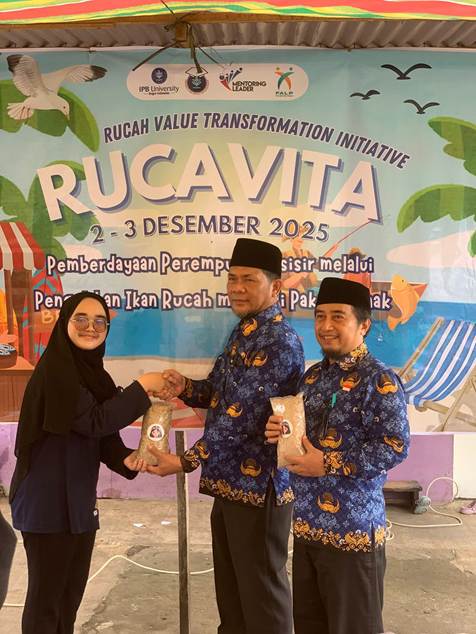
Participants also gained insight into how local products can be improved to compete in regional markets. The discussion was lively, especially when they learned that the fish feed business opportunity is relatively large due to the high demand from the aquaculture sector.
To conclude the session, Salsabila led a product packaging session, covering everything from packaging design and label information to safe and attractive sealing techniques. This session helped the coastal women understand the crucial role packaging plays in increasing marketability and consumer trust.
Young, Caring, and Impactful
RUCAVITA’s activities are a concrete example that change can start with small steps and from a young person. In her teens, Salsabila is not only focused on academic achievement but also demonstrates a strong social concern, particularly for women who are often in disadvantaged positions.
.
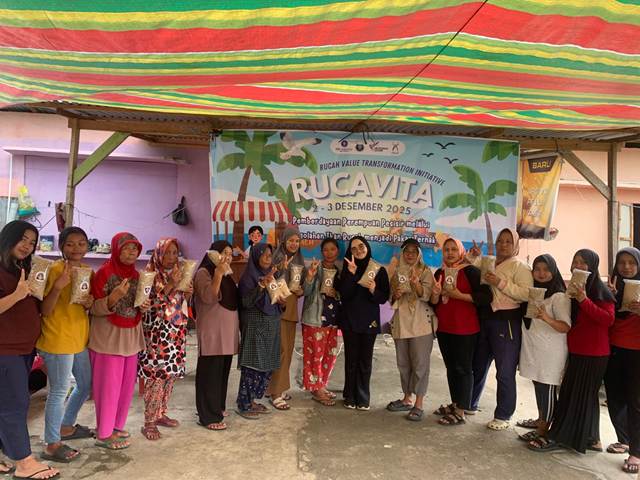
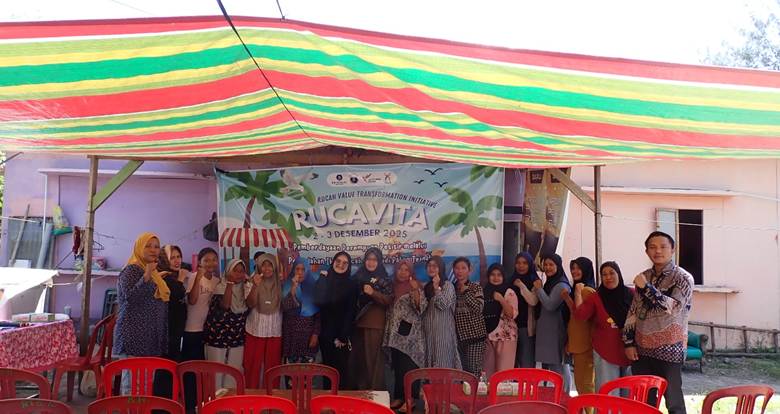
Ayub Sugara, a lecturer in Marine Science at the University of Bengkulu, expressed his appreciation for this initiative. He believes that student involvement in marine issues and community empowerment opens up new hope for future coastal sector development.
“Young people like Salsabila are able to bring a fresh perspective to coastal resource management. Simple innovations implemented in collaboration with the community can have a real and sustainable impact,” said Ayub Sugara
Promoting a Sustainable Empowerment Trail
Through the RUCAVITA Social Project, it is hoped that coastal women will gain new skills and the confidence to start fisheries-based businesses. Fish feed products made from trash fish not only offer an economic solution but also contribute to reducing waste in the fisheries sector.
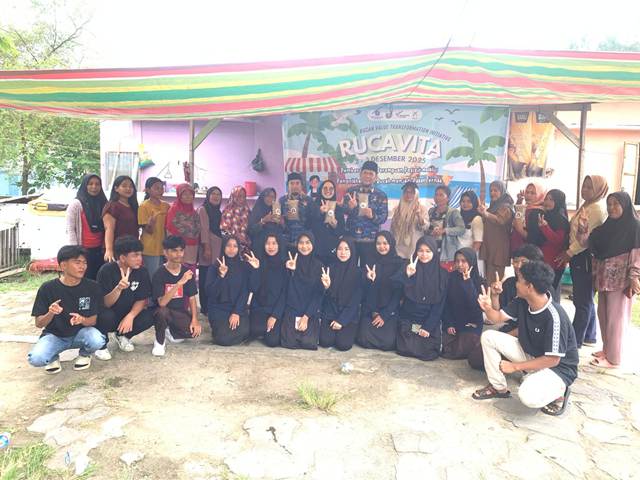
This social project also demonstrates how cross-sector collaboration—students, academics, government, and the community—can work harmoniously to realize inclusive economic independence that takes into account the perspective of Gender Equality, Disability, and Social Inclusion (GEDSI).


