University of Bengkulu Marine Science Lecturer Selected for Space Technology Program at Beihang University, China
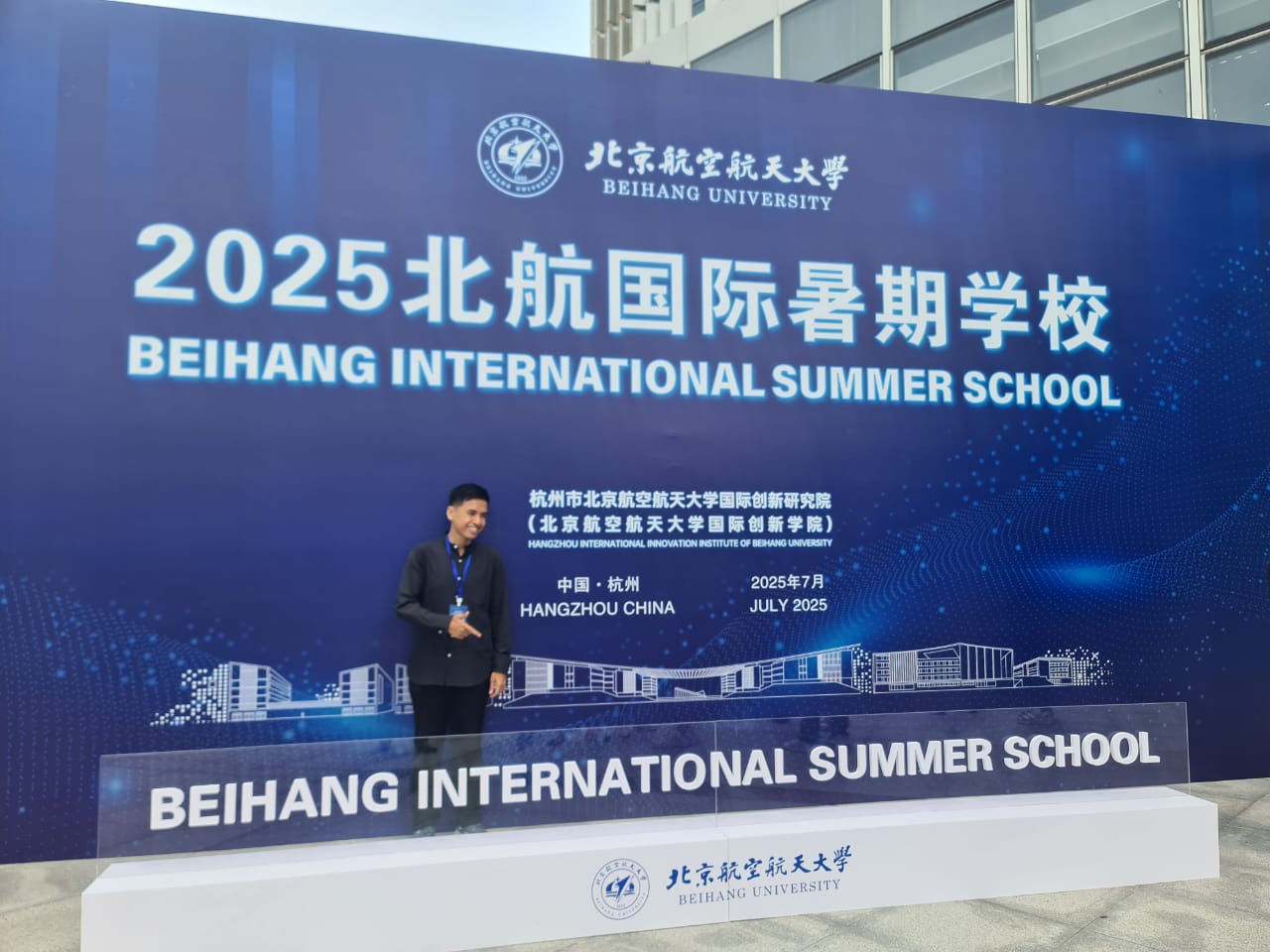
BENGKULU – Akbar Abdurrahman Mahfudz, S.Si., M.Sc., a lecturer and the Department Secretary of the Marine Science Study Program at the University of Bengkulu (UNIB), has successfully completed the prestigious “Frontiers of Space Technology Summer Program 2025” held in Hangzhou, China.
The program, which ran from July 13 to July 27, 2025, was organized by the Regional Centre for Space Science and Technology Education in Asia and the Pacific (China), a center affiliated with the United Nations, in collaboration with Beihang University.
A Global Academic Exchange
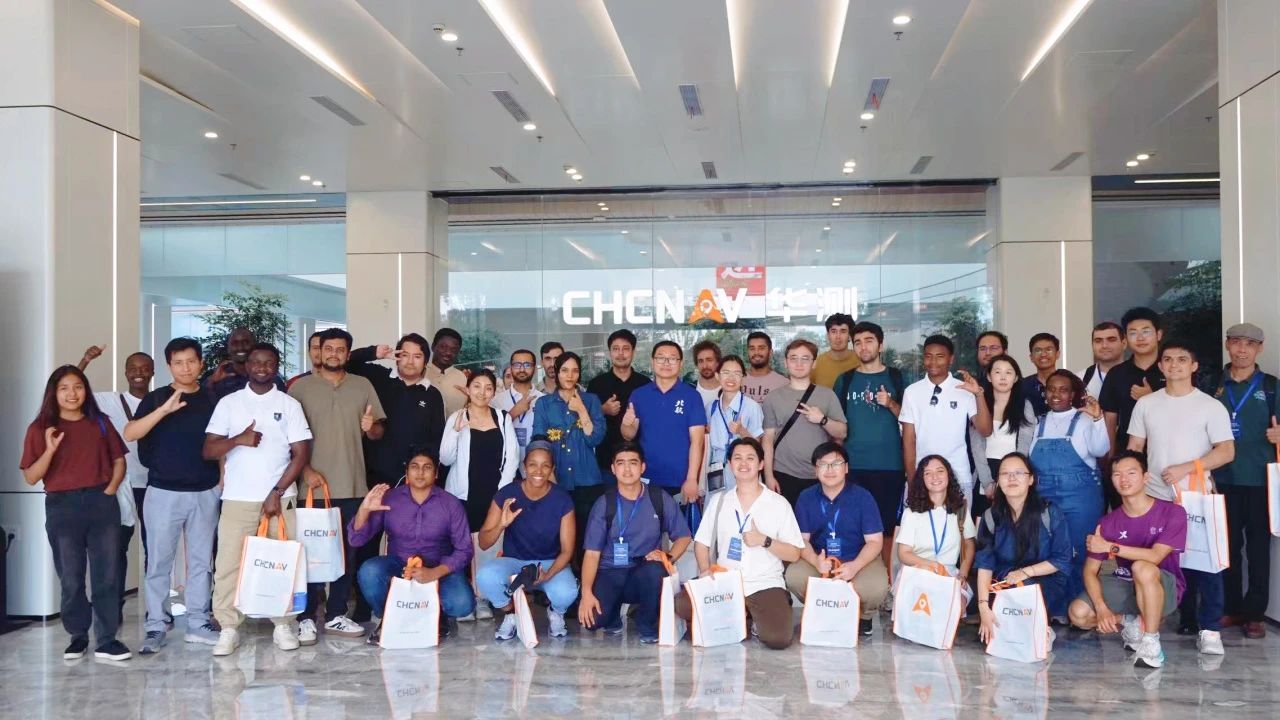
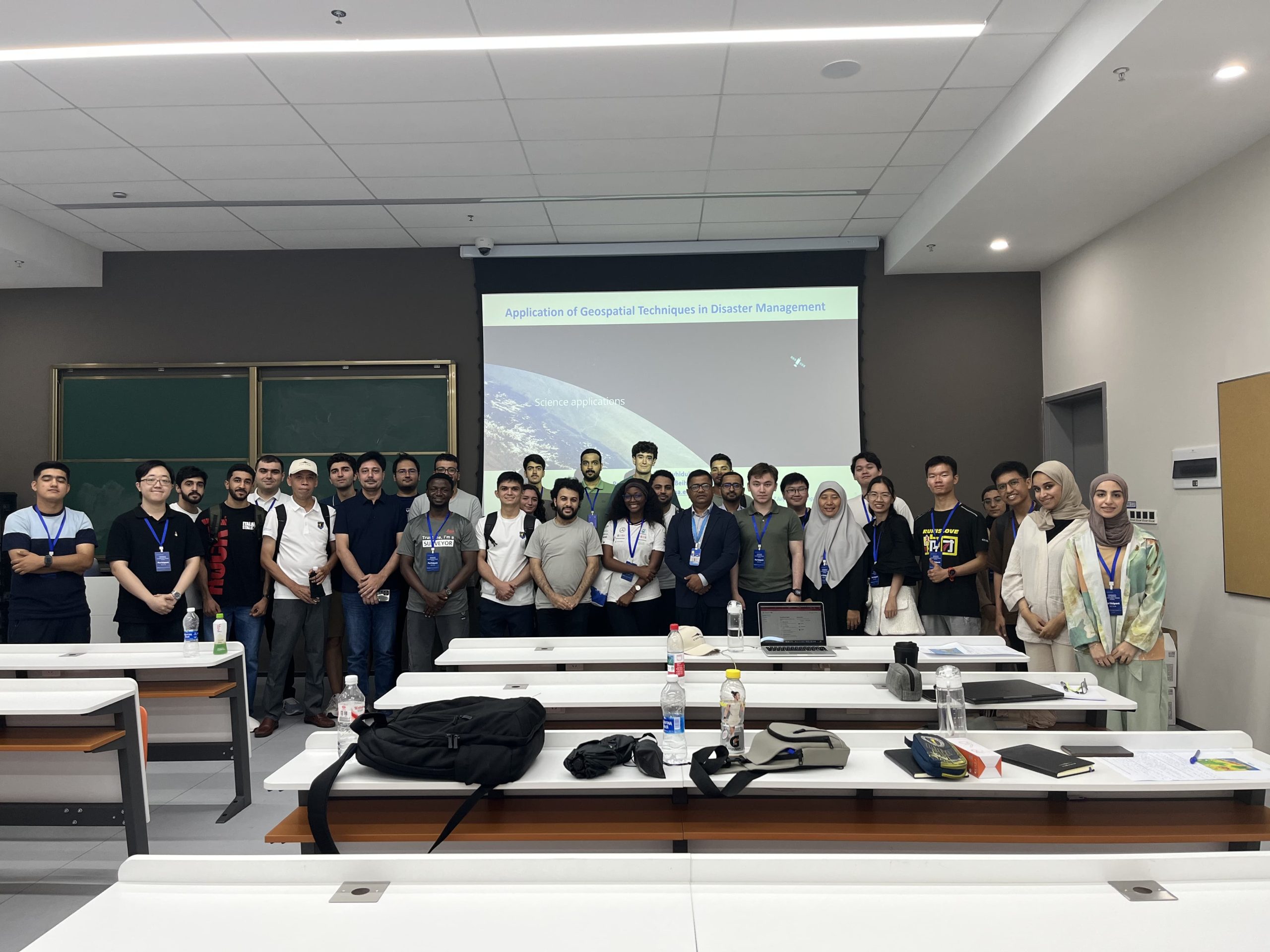
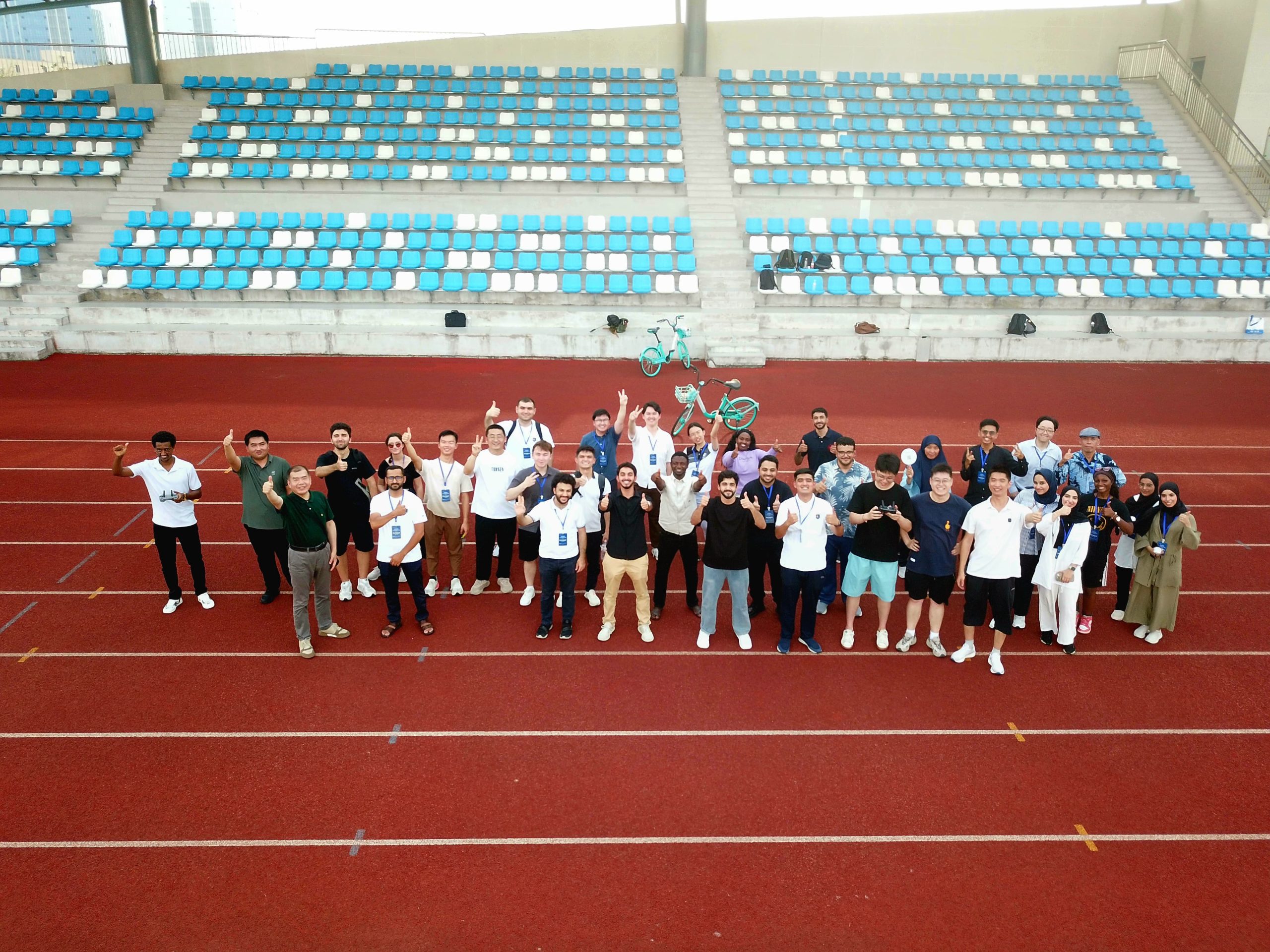
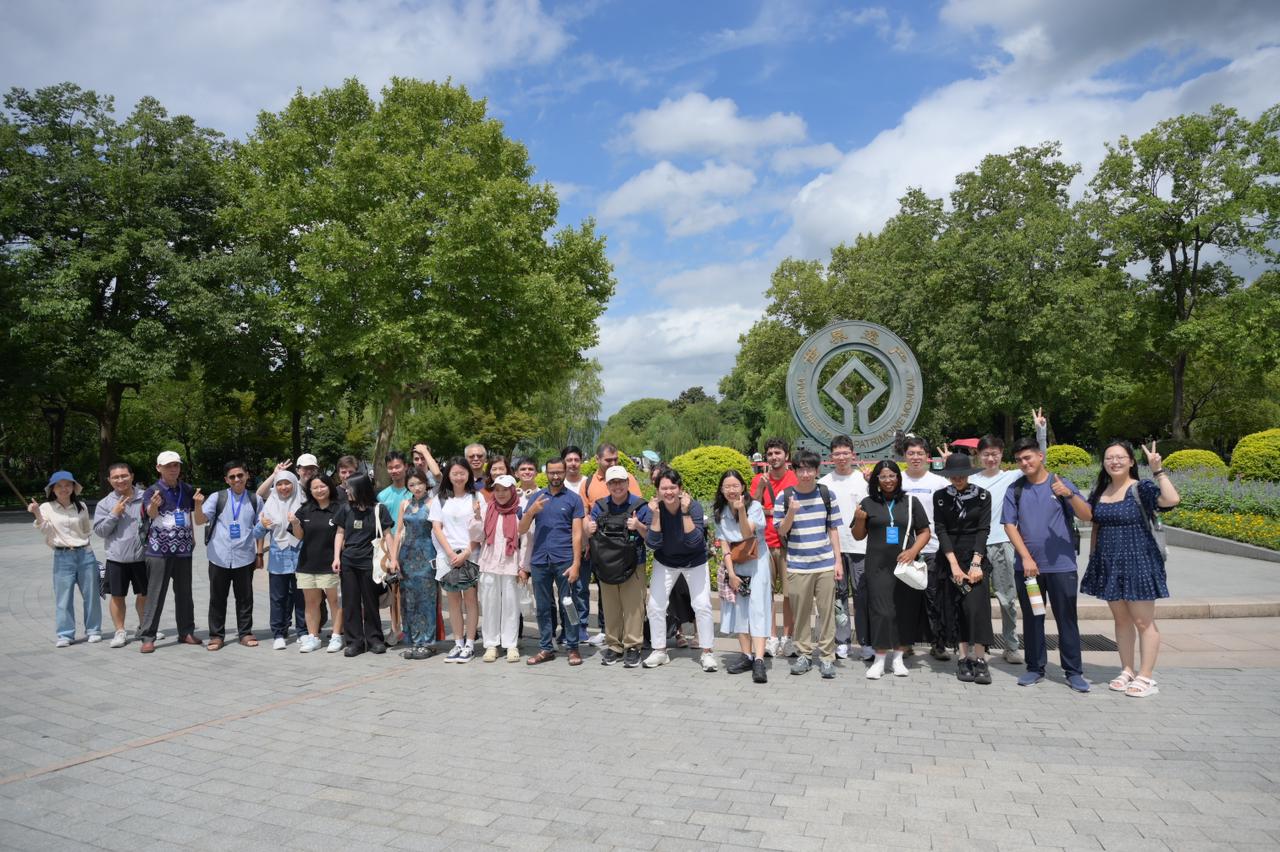
Akbar was among approximately 30 selected participants representing diverse nations, including Malaysia, Thailand, Uzbekistan, Turkey, Spain, and several countries from Africa and the Middle East. As one of the representatives from Indonesia, his participation highlighted the University of Bengkulu’s commitment to internationalizing its faculty and integrating space-age technology into marine research.
Mastering Cutting-Edge Technology
During the two-week intensive program at the Hangzhou campus, Akbar engaged in high-level training across four critical frontier areas:
- Remote Sensing and GIS: Advanced techniques for environmental monitoring.
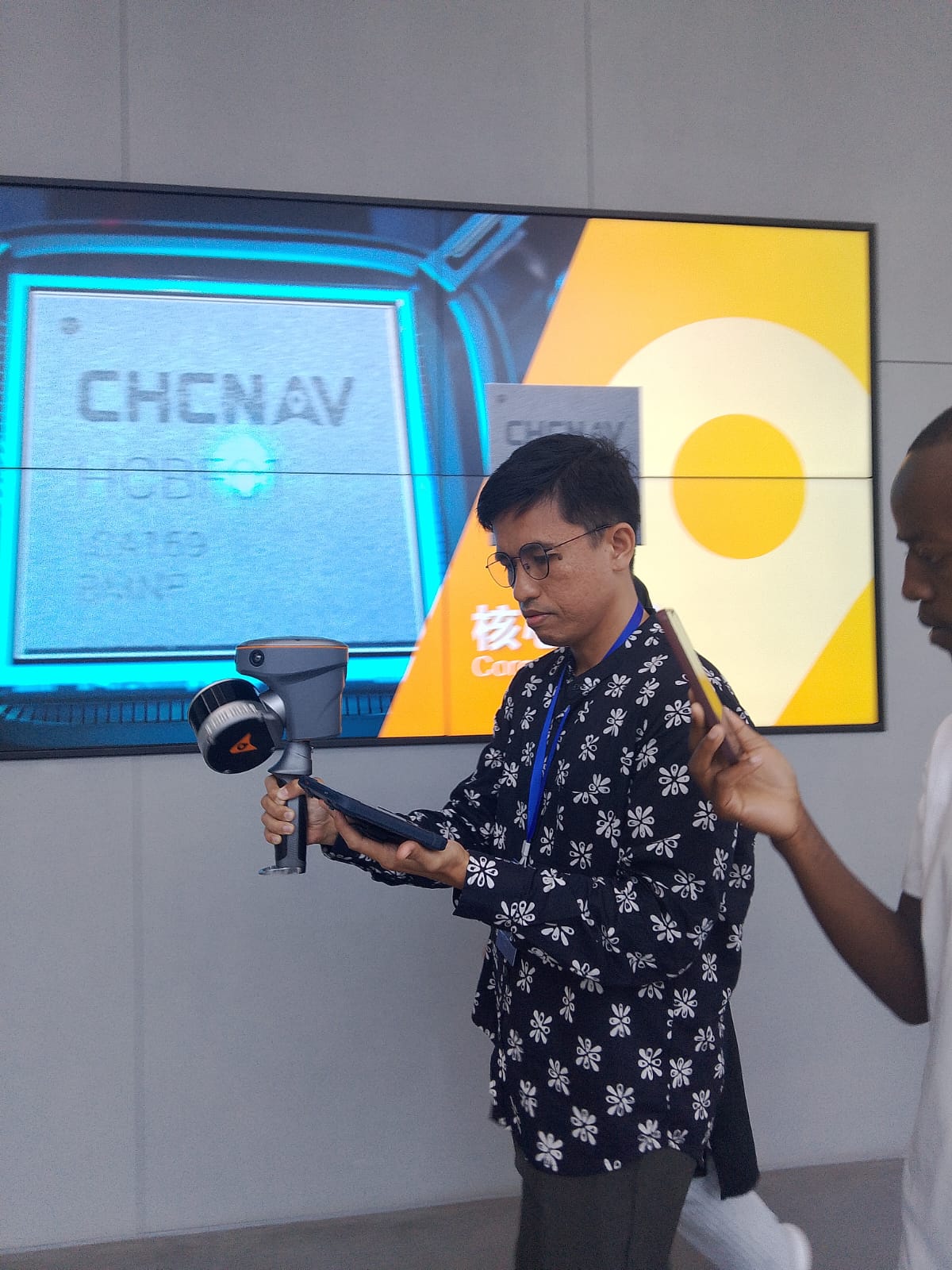
- Global Navigation Satellite Systems (GNSS): Precision navigation and timing.
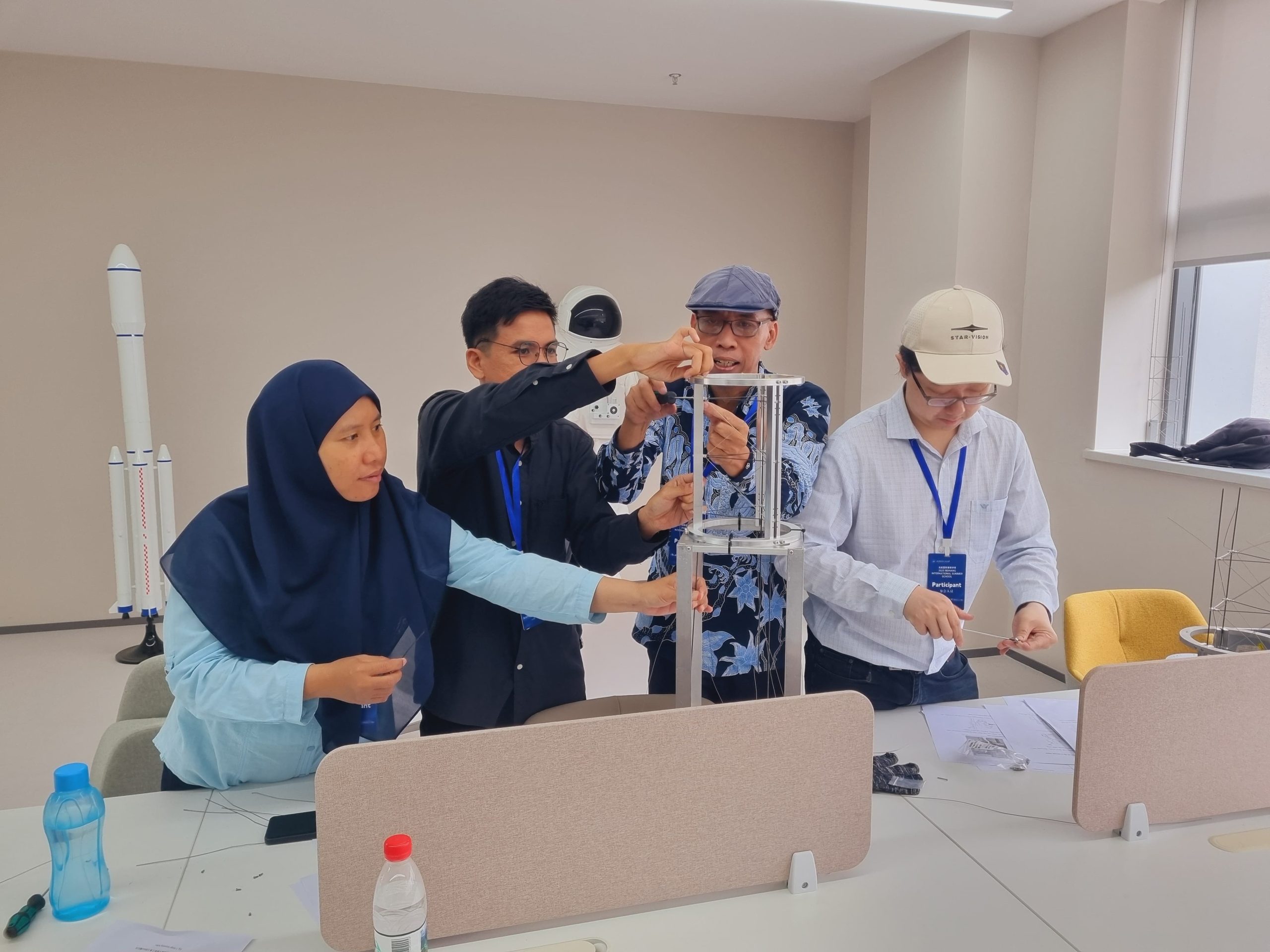
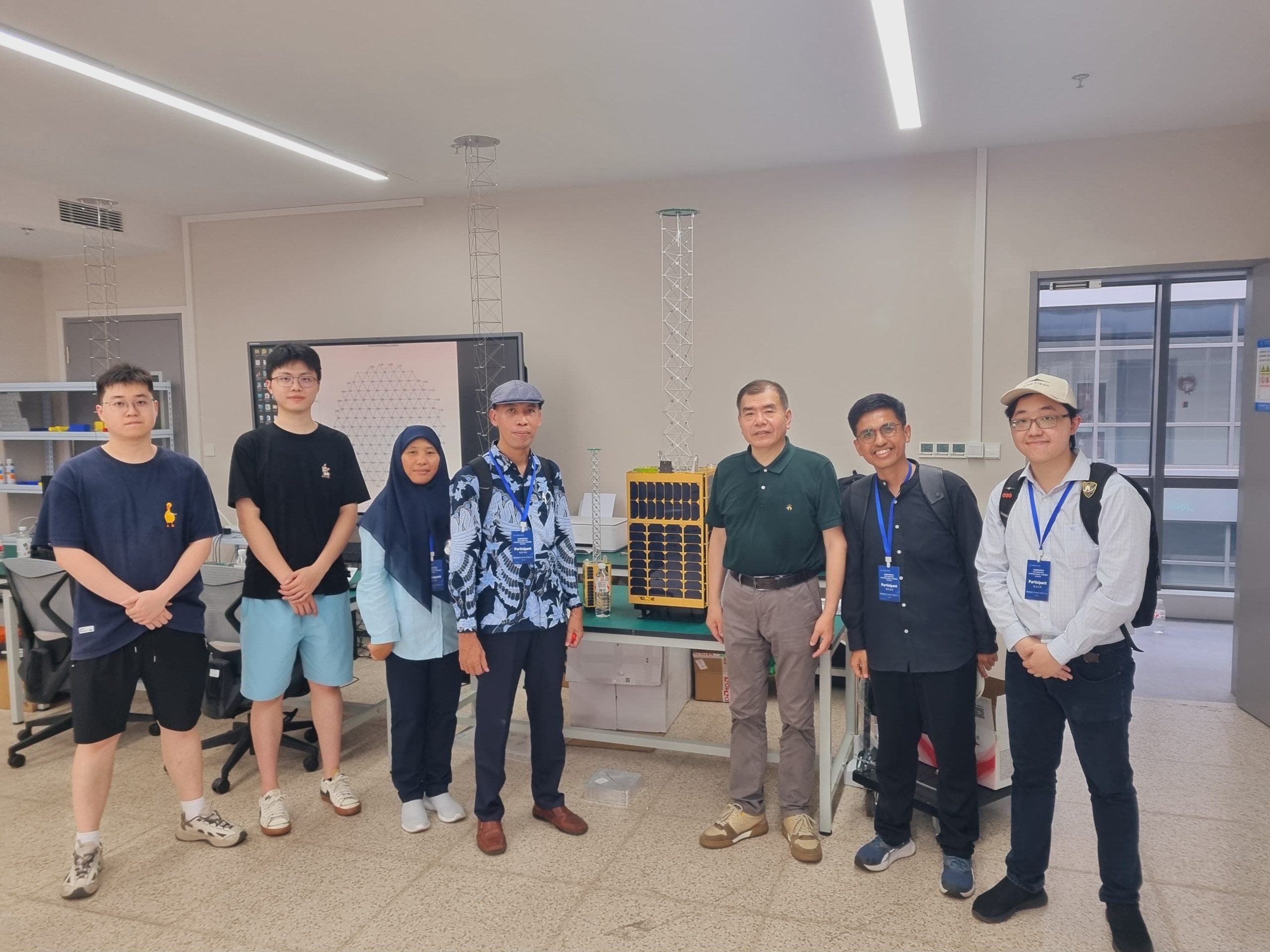
- Small Satellite Technology: Insights into micro-satellite manufacturing and deployment.
- Space Project Management: Coordinating complex international scientific missions.
The program went beyond traditional classroom learning, featuring hands-on laboratory operations, visits to leading aerospace corporations, and interdisciplinary technical discussions.
Impact on Marine Science Research
The mission of the program, led by Prof. Dr. JING Guifei, was to build a collaborative innovation platform across global borders. For Akbar, this experience provided a unique opportunity to bridge the gap between space technology and marine science.
“The program aimed to foster academic exchange and build a foundation for future cross-disciplinary collaboration,” the organizers noted.
Following his return, the insights gained in satellite technology and remote sensing are expected to significantly enhance the research capabilities of the Marine Science Study Program at UNIB, particularly in areas such as ocean mapping, coastal management, and the monitoring of marine ecosystems using satellite data.